...

By Lucy Notarantonio
Senior Reporter
0
Share
Newsweek is a Trust Project member
See more of our trusted coverage when you search.Prefer Newsweek on Googleto see more of our trusted coverage when you search.
Dogs can be a bit like kids, especially when it comes to sharing attention. So it’s no surprise that not every pup is excited about gaining a new sibling.
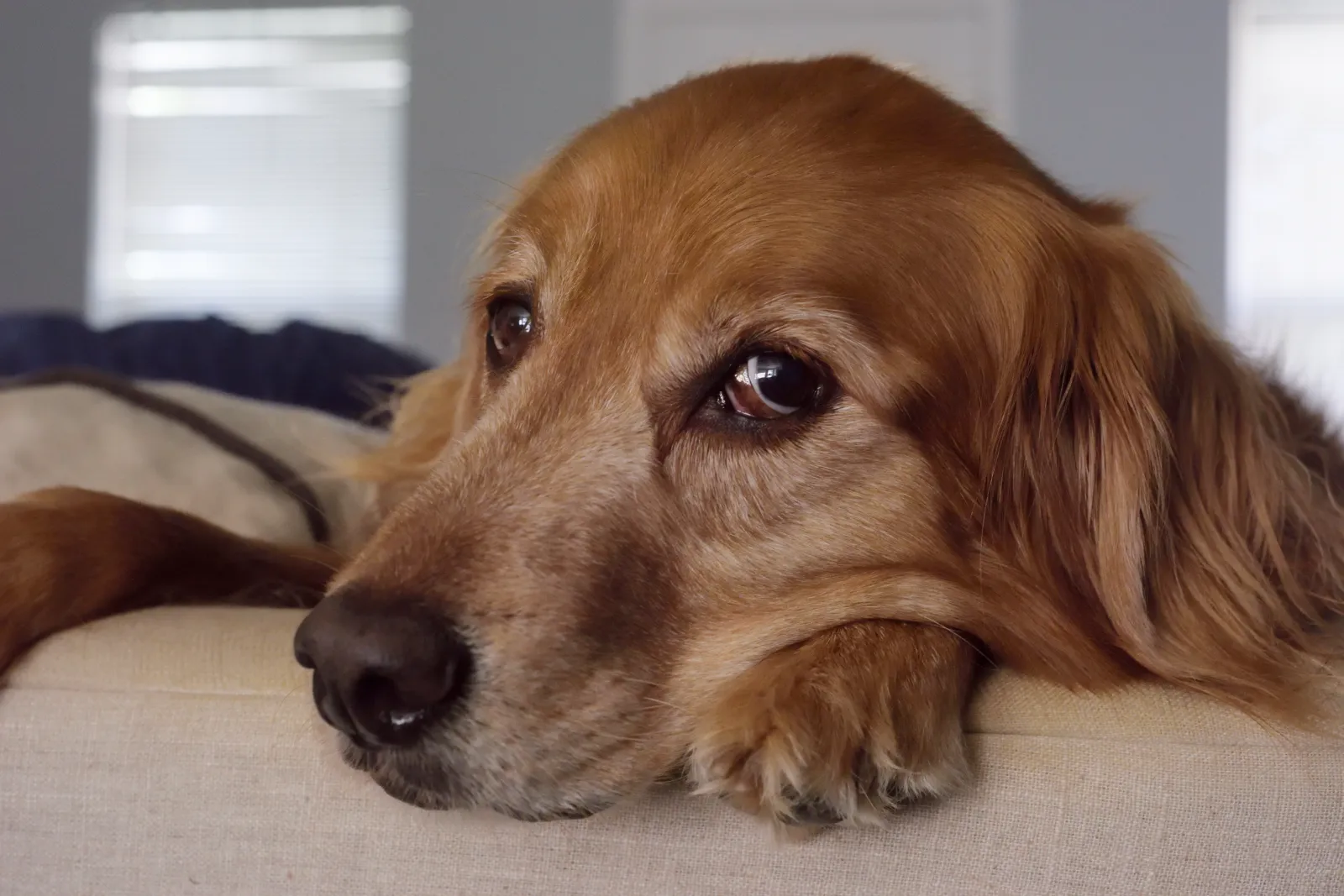
Take Gracie, for example—a 6‑year‑old golden retriever who was recently filmed pulling a funny face at her family’s newest addition, a puppy named Cappuccino.
The text layered over the clip reads: “[Your] spoiled only child isn’t excited about the new sibling we purchased for her.”
Read More on Pets
The TikTok video, shared by owner Danielle Vespi (@daniellevespi), quickly went viral, earning over 961,000 views since it was posted on January 8.
Another post describes Gracie as her mom’s “soul dog” and says they have been “inseparable” ever since Vespi left college, which helps explain why she’s not particularly thrilled.
In the video, Gracie scrunches her nose and shows her teeth, which is typically a sign of aggression. However, commenters found her expression anything but scary.
One user wrote: “A golden trying really hard to be mean is hilarious. They’re such angels!”
Another said: “I felt the same way when my parents brought my little brother home, I get it.”
A third asked: “HAVE THEY FALLEN IN LOVE YET?” Vespi replied that it took just one week.
The 'SUPER' Way to Introduce Your Dog to a Pup
...
But in some cases, it can take anywhere from a few days to several months for both dogs to feel fully comfortable with each other. During the early adjustment period, the American Kennel Club recommends using the “SUPER” method:
- Supervise - Closely monitor all interactions between the dogs. Keep them separated during meals and provide individual food and water bowls. Remove bowls after feeding, and avoid offering high‑value items like bones or toys until you’re confident they can share space calmly.
- Understand - Remember that bringing home a puppy was your decision, not your resident dog’s. Adjusting takes time. Continue giving your older dog plenty of affection and reassurance so they don’t feel displaced.
- Pens - Use crates, pens, and baby gates to create safe, separate areas. This helps prevent overstimulation and gives each dog essential downtime. Make sure each dog also gets individual bonding time with you every day.
- Expect - It’s normal for an adult dog to correct a puppy with a growl or snap. This is part of healthy canine communication and helps teach the puppy manners. Your role is to supervise so corrections don’t escalate into anything unsafe.
- Reinforce - Reward calm, appropriate behavior. If your older dog tolerates the puppy lying near them or chooses to walk away instead of reacting, mark the moment with a cheerful “Yes!” and offer a treat.
Newsweek reached out to @daniellevespi for comment via TikTok. We could not verify the details of the case.
View 0 Comments
Submit Correction
View Editorial & AI Guidelines