10
Loading video...

By Jeff Landry
Governor, Louisiana
0
Share
Newsweek is a Trust Project member
See more of our trusted coverage when you search.Prefer Newsweek on Googleto see more of our trusted coverage when you search.
Storms don’t wait for perfect conditions, and neither can the response that follows.
When disaster strikes, leadership matters. In Louisiana, we know this better than most, and we were reminded of it again as a major winter storm swept across the country and seriously affected our state this past week. The effects of that storm are still being felt, but local and state leaders are able to respond to it thanks to the unprecedented support of President Donald Trump and Secretary of Homeland Security Kristi Noem.
Over the past few days, I’ve had multiple calls with my close friend Secretary Noem and her team at the Federal Emergency Management Agency (FEMA). These aren't simply check-ins or formalities—they've been constant communications focused on solving problems in real time before, during and after this storm.
Read More on Opinion
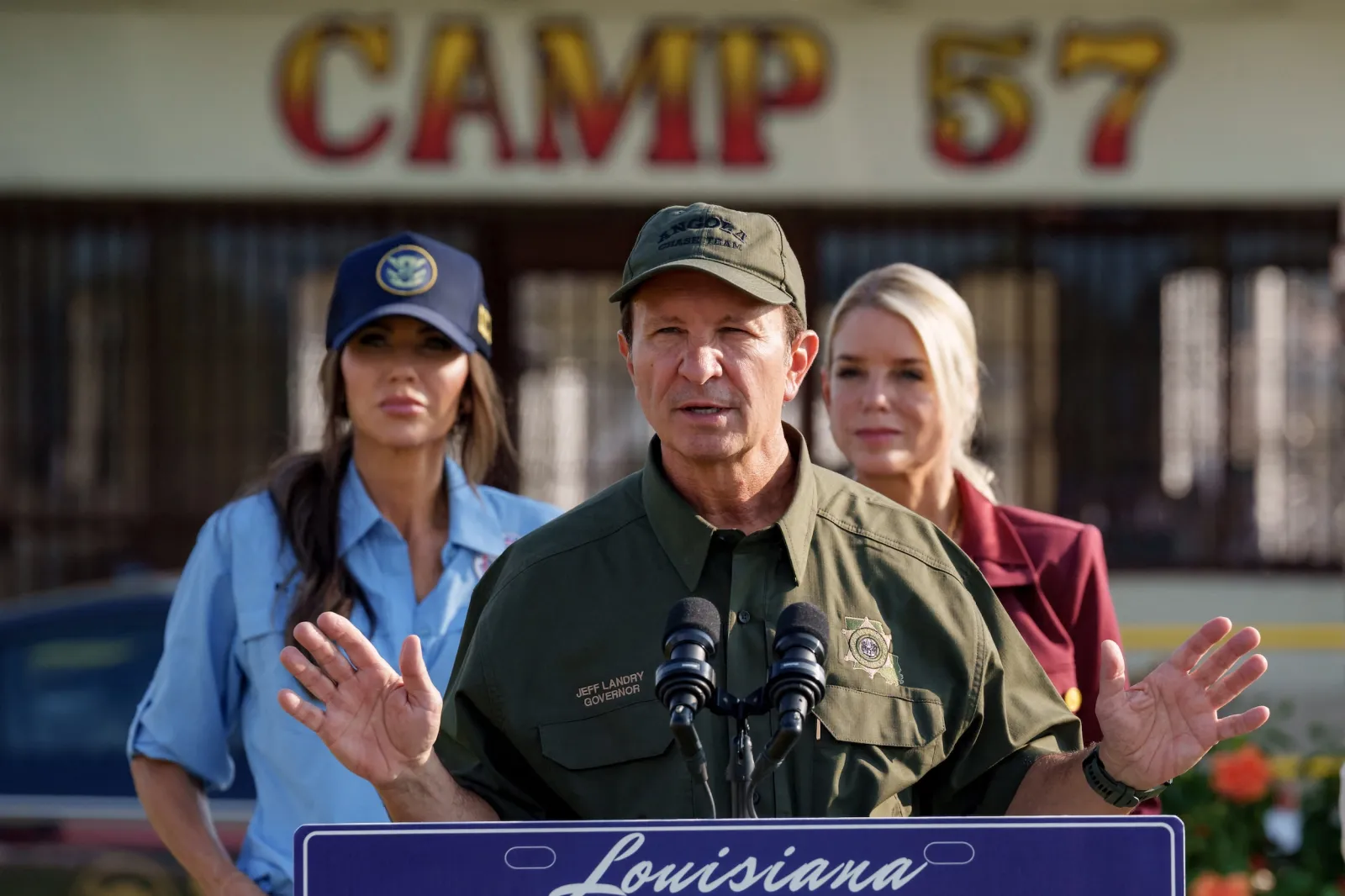
That kind of accessibility and follow-through makes all the difference in our ability to respond to natural disasters. It means faster coordination, clearer lines of authority and a FEMA that feels operationally focused. Like Secretary Noem and President Trump, I too believe that disaster response should be federally supported, state led and locally executed.
...
To that extent, the Trump administration’s support for state and local leaders in response to this storm has been significant and dynamic—not only for Louisiana, but across the Midwest, South and Northeast. Preceding the storm, President Trump approved 12 federal emergency disaster declarations for Arkansas, Georgia, Indiana, Kentucky, Louisiana, Maryland, Mississippi, North Carolina, South Carolina, Tennessee, Virginia and West Virginia.
These emergency declarations allowed our state to tap into federal FEMA support that ensured our citizens would be protected during the winter storm. In turn, FEMA deployed over 1,200 staff and personnel from other federal agencies to support affected states.
When the storm started forming, Secretary Noem put DHS on offense, not defense. FEMA stocked strategically located distribution centers with more than 300 generators, over 7 million meals, more than 3 million liters of water and over 650,000 blankets.
In addition, FEMA supplied 500 generators, more than 700,000 meals, 1.1 million liters of water, 4,600 blankets and 3,500 cots, as well as medical supply kits and other critical commodities at federal staging areas within impacted states. That meant the storm caught nobody by surprise, and we were ready to quickly tackle whatever came our way. So far, FEMA has installed 13 generators to provide emergency power to critical facilities.
Earlier this week, Interstate 20 was rendered impassable by severe freezing rain and rapidly deteriorating road conditions—posing a significant threat to emergency response operations and public safety across the state. Given the critical importance of the Interstate 20 corridor, the U.S. Department of Transportation and FEMA collaborated to secure emergency funding for Louisiana, facilitating the rapid deployment of additional sand resources for road treatment. This decisive action was essential to reopening the interstate, ensuring that life-saving and life-sustaining response efforts could proceed without further delay and safeguarding communities at risk.
As we continue to dig out of this winter storm, residents should know that temperatures are expected to remain below freezing for the next few days. If necessary, and if it is safe to do so, people are encouraged to visit their nearest warming center or shelter. Louisianans are encouraged to contact the Governor's Office of Homeland Security and Emergency Preparedness and local agencies for additional resources as well.
Under Secretary Noem’s leadership, we’ve seen a renewed emphasis on execution, getting resources where they need to be, when they need to be there, and making sure state and local partners are treated as true teammates. As Louisiana communities continue dealing with power outages, icy roads and the ripple effects of this winter storm, that operational excellence brings tangible benefits.
Looking ahead, I’m optimistic about the future of FEMA, especially with the thoughtful bipartisan recommendations coming from the FEMA Review Council led by my friend, former Mississippi Governor Phil Bryant. Those insights offer a roadmap for making a vital agency even more effective and accountable.
I hope President Trump will move swiftly to implement those changes, and I’m confident Secretary Noem will continue the strong work she’s begun. For states like Louisiana—especially in moments like this—leadership like this isn’t merely appreciated. It’s essential.
Jeff Landry is Governor of Louisiana.
The views expressed in this article are the writer's own.
View 0 Comments
Submit Correction
View Editorial & AI Guidelines