...

By Micah McCartney
Reporter
0
Share
Newsweek is a Trust Project member
See more of our trusted coverage when you search.Prefer Newsweek on Googleto see more of our trusted coverage when you search.
A bipartisan commission has urged Washington to increase military spending in proportion with the potential threats to international order posed by near-peer adversaries, most notably China.
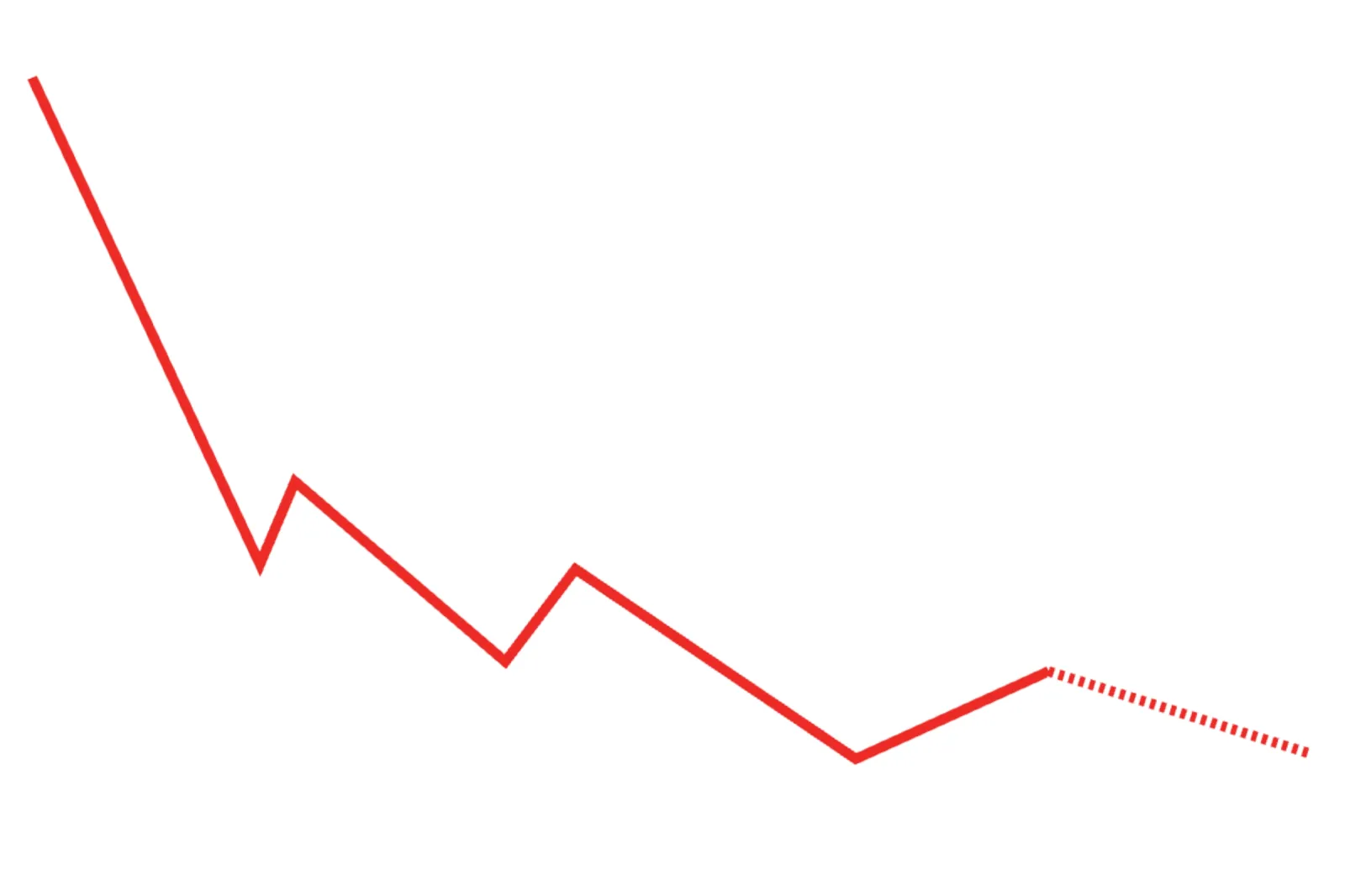
A Newsweek graph illustrates how U.S. defense spending has declined since the last era of great power competition ended with the Cold War.
"The United States faces the most challenging and dangerous international security environment since World War II," the commission said in its report, which was released Monday. The report doubled down on many of its findings printed in the 2022 Commission on the National Defense Strategy (NDS) and made some new recommendations.
Read More on World
Among them was a call to boost defense spending in line with threats to international stability, particularly from China, identified as the U.S.' primary pacing threat. The report noted that "peer and near-peer competitors" are challenging the U.S. for the first time since the Cold War.
During the Cold War, from the late 1940s until the Soviet Union's dissolution in 1991, U.S. defense spending ranged from 4.9 percent of GDP to a high of 16.9 percent in 1952 during the Korean War.
The NDS Commission's 2018 report called for the base defense budget to increase by 3 percent to 5 percent annually above inflation to maintain readiness against emerging threats. The goal has not been consistently met, with spending reaching the threshold only in 2022 and 2023 through temporary measures like merging the base budget with Overseas Contingency Operations funds.
The national defense budget for 2024 is just over 3 percent of GDP and is projected to remain at 3 percent for 2025, per estimates from the Office of the Under Secretary of Defense cited by the report. Meanwhile, China's defense budget is estimated to exceed $700 billion per year, about three times the draft budget announced by Beijing in March.
The report cites estimates from the Stockholm International Peace Research Institute (SIPRI) indicating that China's defense spending exceeds the rest of Asia combined and is three times that of the continent's second-biggest spender, India.
China has rapidly expanded its military capabilities over the past two decades, narrowing the U.S.' military edge in the Pacific. The commission warns that China is using its growing military strength to challenge international norms, such as incursions into Taiwan's airspace and violations of international law in the South China Sea.
Former U.S. Indo-Pacific Command chief Admiral John Aquilino, CIA director Bill Burns and other U.S. officials believe Chinese President Xi Jinping has directed his military to be capable of invading self-ruled Taiwan by 2027.
The report called on the Pentagon to "immediately review all major systems against likely future needs, emphasizing battlefield utility and prioritizing agility, interoperability, and survivability."
"The United States must spend more effectively and efficiently to build the future force, not perpetuate the existing one. Additional resources will be necessary," the report concluded.
Newsweek reached out to the Chinese Embassy in the U.S. via written request for comment.
View 0 Comments
Submit Correction
View Editorial & AI Guidelines