...

By Sam Stevenson
Associate News Editor
0
Share
Newsweek is a Trust Project member
See more of our trusted coverage when you search.Prefer Newsweek on Googleto see more of our trusted coverage when you search.
Major changes to the H‑1B visa process take effect April 1, reshaping how petitions are filed, reviewed, and selected under a new wage‑focused system.
Why It Matters
After years of criticism over randomness and abuse in the H‑1B lottery, federal agencies are tightening scrutiny and tying selection more closely to job quality.
Read More on News
The April 1 changes reflect a broader push to align visas with wages, job requirements, and employer accountability.
...
What To Know
April 1 marks more than the opening of the annual H‑1B filing window. It also ushers in one of the most significant procedural shifts the program has seen in years.
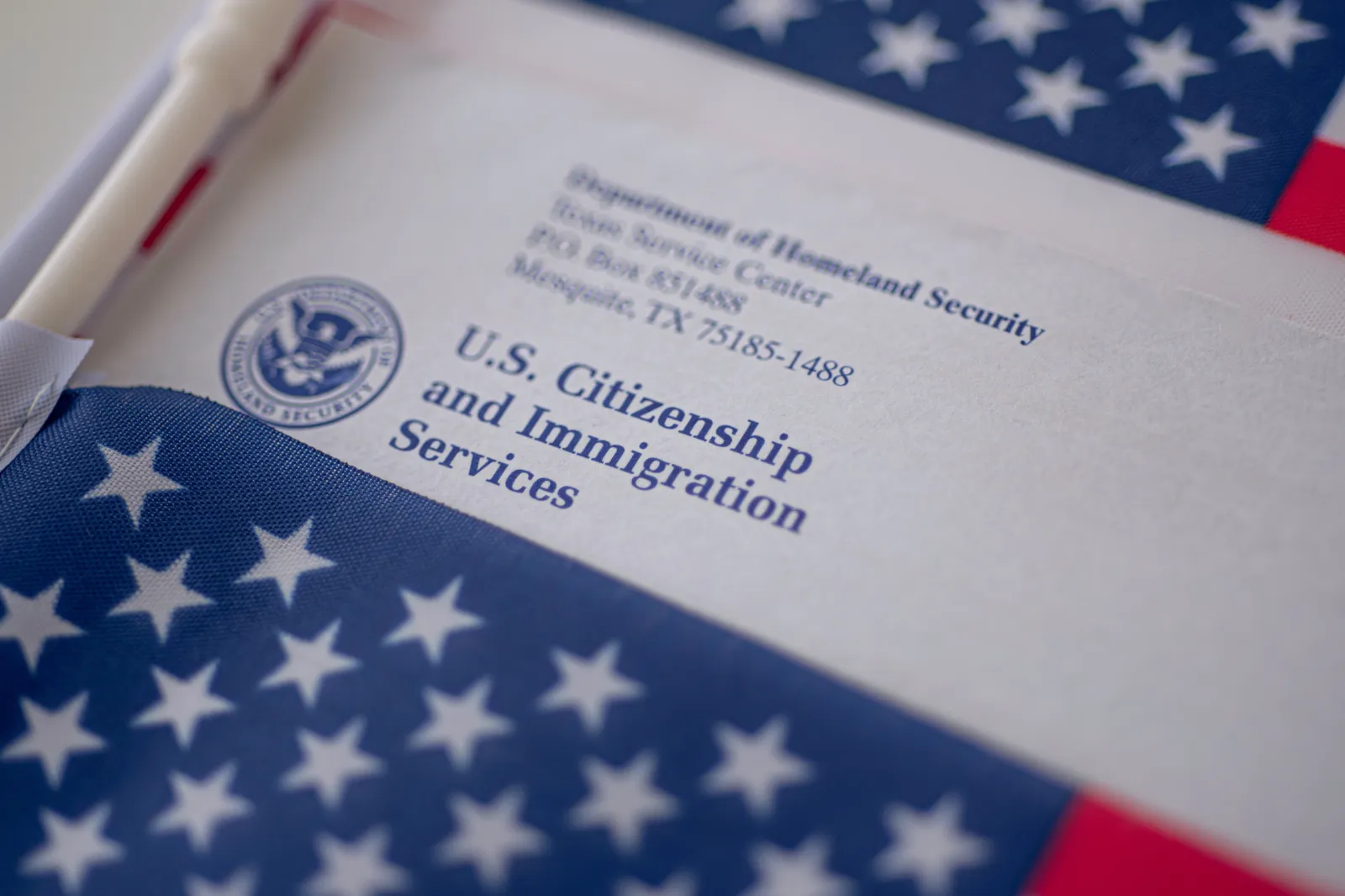
From that date forward, U.S. Citizenship and Immigration Services (USCIS) will require all H‑1B petitions to be filed using a newly revised Form I‑129. Any petition submitted on an older version of the form will be rejected outright.
However, an immigration attorney claimed the updated paperwork is only part of a much larger transformation.
How The Wage‑Weighted Lottery Changes Filing Strategy
Alongside the new form, USCIS is implementing a wage‑weighted lottery system.
Under this approach, an applicant’s chances of being selected are tied directly to the Department of Labor (DOL) wage level assigned to the role.
Higher‑wage positions carry better odds, making early and accurate wage classification far more consequential than in past filing seasons.
Steven A. Brown, a partner at immigration law firm Reddy Neumann Brown PC, said the new system leaves little room for error, writing, "employers can no longer afford guesswork or inconsistencies," on his website.
Employers are now required to disclose detailed wage‑related information directly on the petition, including education requirements, years of experience, supervisory duties, and specialized skills, he explained.
Why Job Requirements Matter More Than Ever
Those factors are the same ones the DOL uses to determine prevailing wage levels.
By requiring employers to commit those details to writing on Form I‑129, USCIS can more easily compare what was listed during registration, what appears on the Labor Condition Application, and what is ultimately submitted in the petition.
The underlying rule, Brown explains, has not changed. “The prevailing wage level is determined by the requirements of the position, not by the qualifications of the individual being hired,” he said.
That means a role requiring a bachelor’s degree and two years of experience must be classified on that basis, even if the selected worker has significantly more experience or advanced certifications.
At the same time, overstating job requirements carries its own risks.
Positions that do not genuinely demand senior‑level independence or leadership may face scrutiny if they are classified at the highest wage level simply to improve lottery odds.
The revised form makes both understatements and overstatements easier for adjudicators to identify.
Consistency Is Now Central To Approval
Most H‑1B‑eligible roles fall into what the DOL considers Job Zone 4, which includes professions such as software developers, engineers, accountants, and financial analysts.
For these positions, wage levels generally rise with education and experience, though added responsibilities like supervision or strategic decision‑making can push a role higher.
Another critical change affects timing. Wage level decisions must now be finalized before the Labor Condition Application is filed.
Once the LCA is approved, the wage level is effectively locked in. If the details listed on Form I‑129 do not match, the inconsistency is immediately visible.
Job postings are also taking on new importance, and USCIS is increasingly treating them as part of the administrative record.
A posting that calls for extensive experience or independent judgment can undermine a lower wage classification, even if the petition itself tells a different story.
Brown says the common thread running through the new system is consistency.
“The registration, the LCA, the job posting, and the petition must all reflect the same position requirements and the same wage level rationale,” he said.
Discrepancies across multiple filings for similar roles may also invite broader scrutiny.
What People Are Saying
Steven A. Brown, a partner at Reddy Neumann Brown PC, wrote: “April 1 is more than just the start of H‑1B filing season—it marks a fundamental shift in how petitions will be reviewed.
“With the new Form I‑129 now requiring detailed wage level disclosures—and a wage‑weighted lottery system tying selection odds directly to those classifications—employers can no longer afford guesswork or inconsistencies.
“The wage level must reflect what the job demands, not who happens to be doing it.”
What Happens Next
The April 1 changes arrive amid wider debate over how employment‑based visas should be allocated and enforced.
As the wage‑weighted lottery plays out in practice, immigration attorneys expect increased requests for evidence and closer review of employer filings.
Future court challenges, regulatory adjustments, or congressional attention could further reshape how the H‑1B program operates in the years ahead.
View 0 Comments
Submit Correction
View Editorial & AI Guidelines