10
Loading video...

By Billal Rahman
Immigration Reporter
0
Share
Newsweek is a Trust Project member
See more of our trusted coverage when you search.Prefer Newsweek on Googleto see more of our trusted coverage when you search.
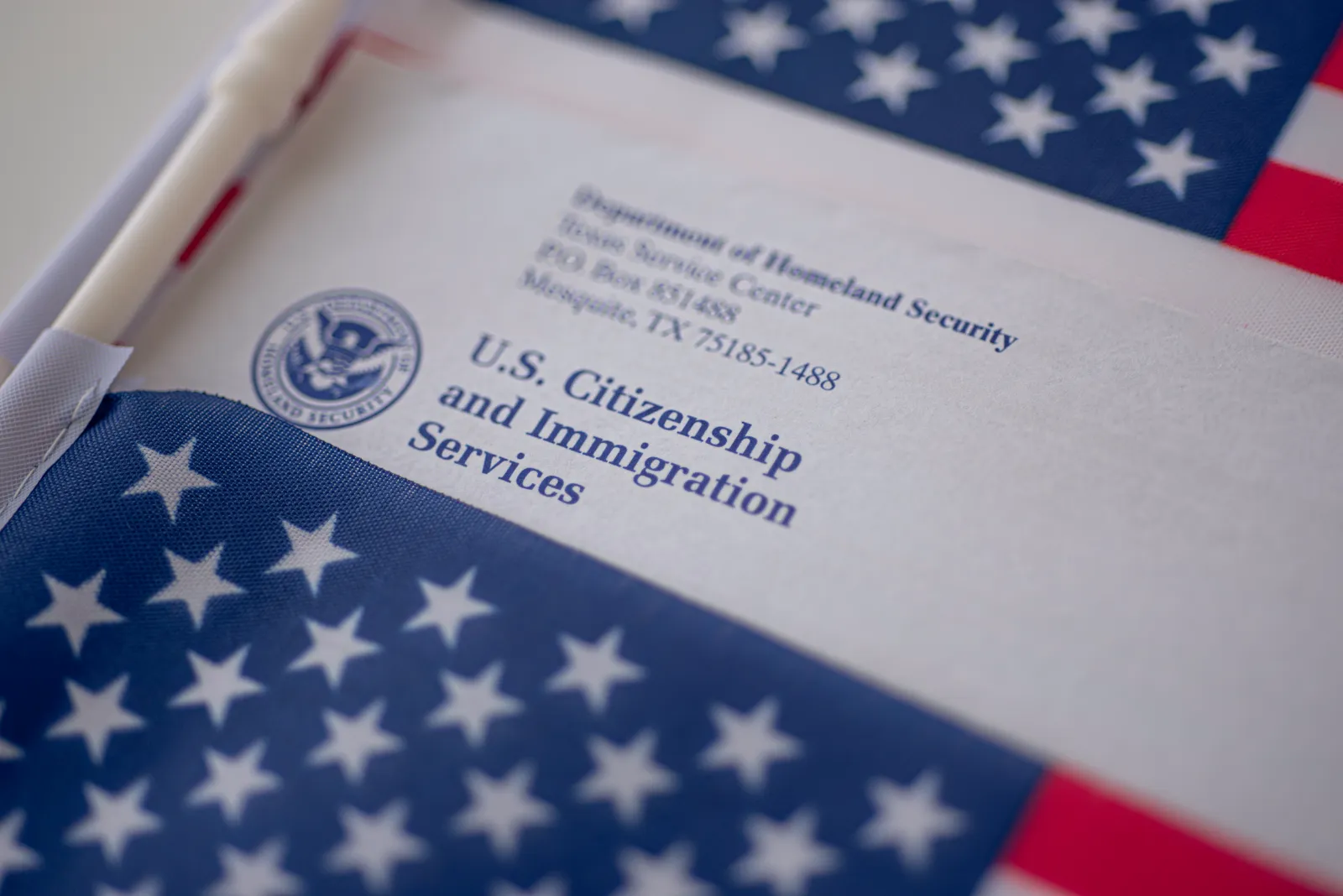
A federal judge has ruled the Trump administration can impose a $100,000 fee on new H-1B visa applications.
A presidential proclamation in September announced the change to the program, which allows U.S. employers to hire foreign professionals for specialized occupation, saying it had been largely used to the detriment of American workers.
The U.S. Chamber of Commerce sued, saying the size of the fee would undermine Congress’ framework for the program and place excessive financial burdens on U.S. employers
Read More on News
In her ruling on Tuesday, U.S. District Judge Beryl Howell said: “The lawfulness of the Proclamation and its implementation rests on a straightforward reading of congressional statutes giving the President broad authority to regulate entry into the United States for immigrants and nonimmigrants alike,” Howell wrote in her decision.
...
Why It Matters
Support for H-1B visas is deeply divided.
Critics often argue it undercuts American workers’ wages and job opportunities, and the large fee is required to incentivizing employers to hire American workers and reducing reliance on lower-wage foreign labor.
Proponents, incuding senior tech industry figures, say H-1B visas help drive innovation, maintain global competitiveness, and address specialized skill shortages.
Despite these divides, there is widespread agreement across party lines on the need to reform the program, making it more efficient, transparent, and better aligned with U.S. labor-market priorities.
What To Know
In her ruling, Howell said, "The parties’ vigorous debate over the ultimate wisdom of this political judgment is not within the province of the courts—so long as the actions dictated by the policy decision and articulated in the Proclamation fit within the confines of the law, the Proclamation must be upheld."
The H-1B program allows U.S. employers to hire foreign professionals for specialized occupations in fields such as technology, engineering, medicine, and science.
A presidential proclamation, "Restriction on Entry of Certain Nonimmigrant Workers," on September 21 said the new fee was necessary because the program "has been deliberately exploited to replace, rather than supplement, American workers with lower-paid, lower-skilled labor."
The Department of Homeland Security later clarified that the fee does not apply to current employees nor foreign students already approved for H-1B status within the U.S.
An October 16 lawsuit launched by the U.S. Chamber of Commerce—alongside allied organizations including research universities and employer associations—said measures were already in place to benefit the U.S. without disadvantaging American workers.
"Congress... it has struck an intricate, thoughtful balance by specifying how fees for the program should be calculated, how many visas may be issued annually, and what requirements the executive branch should enforce to ensure that H-1B workers do not displace American workers or undercut wages," the lawsuit said.
Dismissing the suit, Howell added: "To be clear, this decision in favor of defendants is not to dismiss or discount the past and ongoing contributions of H-1B workers to the American economy that plaintiffs highlight.
"Important as those contributions may be, the effects of the H-1B program on the American economy or national security, whether positive or negative, are simply not at issue in this case. The Supreme Court has long maintained that matters of economic and foreign policy are generally entrusted to the political branches of government and “rarely proper subjects for judicial intervention.”
Also on Tuesday, the Department of Homeland Security has finalized a regulation overhauling the H-1B lottery system. Under the new process, set to take effect in 2027, selection will be weighted toward higher earners in a given field rather than offering equal odds to all applicants.
The H-1B program issues a maximum of 85,000 visas each fiscal year, including 20,000 reserved for applicants holding advanced degrees.
The government said the change will favor high-skilled workers and address concerns about alleged visa abuse and the replacement of American employees.
The administration has said it has launched 175 investigations into companies suspected of misusing the H-1B program for skilled foreign-born workers.
What People Are Saying
Düden Freeman, a former U.S. diplomat and founder of Visas 101, told Newsweek: "The new H-1B court ruling will make those that hire H-1B employees from overseas rethink that strategy moving forward - as the fee is required for workers who are overseas when the H-1B petition is filed. The fee does not apply to those who are filing a change of status from another non-immigrant visa category, like the F-1 student visa."
Immigration attorney Abhinav Tripathi wrote in a post on LinkedIn**:** "What stands out is how decisively the court ruled. This was not a close case. The court held that Congress has delegated extraordinarily broad authority to the President under the Immigration and Nationality Act to restrict the entry of noncitizens whenever entry is deemed detrimental to U.S. interests. Relying on long standing Supreme Court precedent, the court concluded that imposing a $100,000 payment as a condition of entry falls squarely within that authority, even if it dramatically reshapes how the H-1B program functions in practice."
What Happens Next
The administration still faces ongoing challenges over the policy change in at least two other courts. This ruling marks the first significant test of the policy and could shape the outcome of the pending cases.
View 0 Comments
Submit Correction
View Editorial & AI Guidelines