...

By Billal Rahman
Immigration Reporter
0
Share
Newsweek is a Trust Project member
See more of our trusted coverage when you search.Prefer Newsweek on Googleto see more of our trusted coverage when you search.
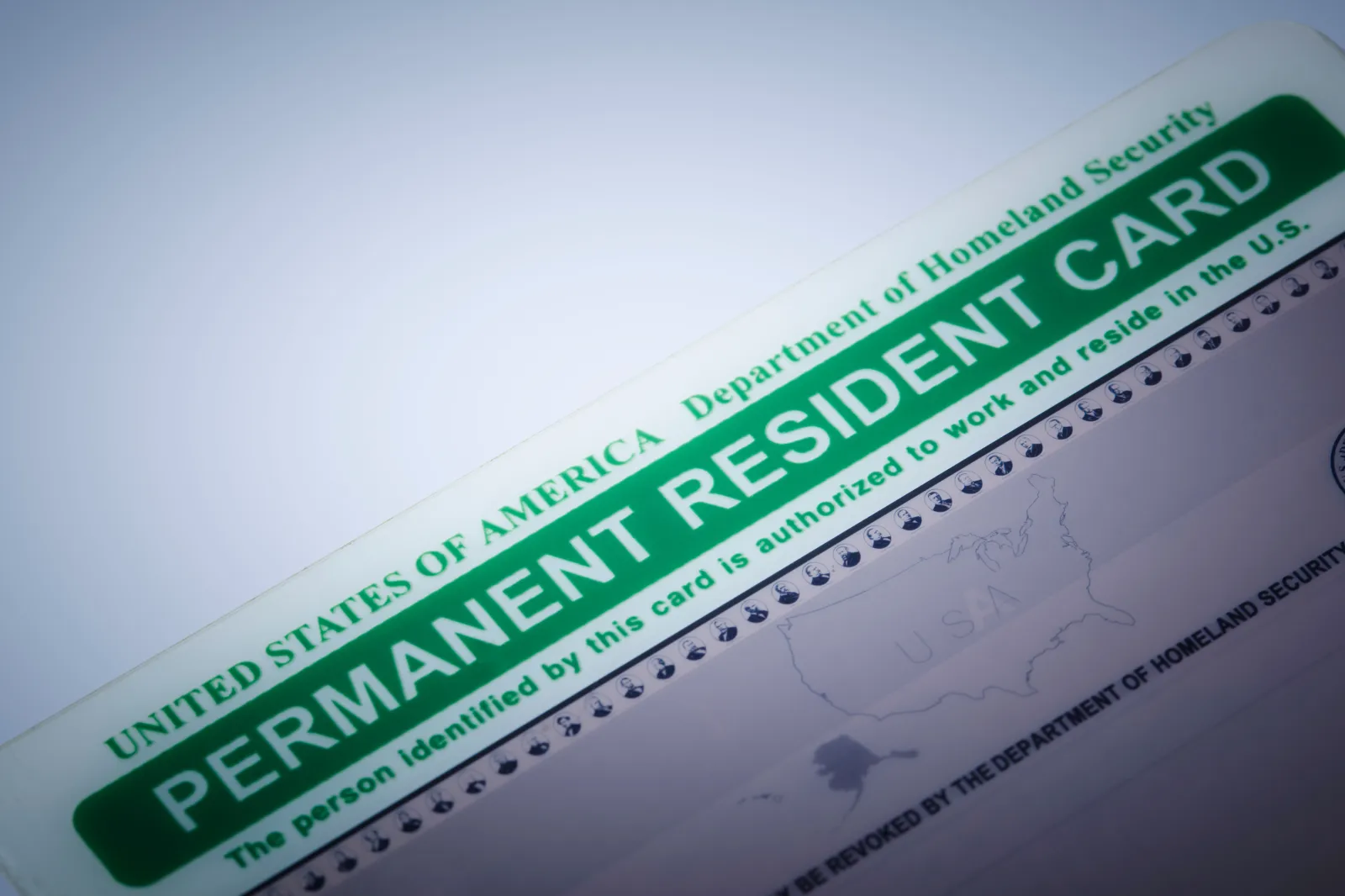
Who gets a green card, and how they get it, is being closely examined as the Trump administration moves to tighten access to legal immigration pathways.
A total of 350,120 people were granted U.S. green cards in fiscal year 2025, including 190,350 who adjusted their status from within the United States and 159,770 who arrived from abroad, according to the latest Department of Homeland Security (DHS) data.
The figures come from quarter one of fiscal year 2025, covering October 1 to December 31, 2024, and are drawn from the Office of Homeland Security Statistics’ quarterly legal immigration report.
Read More on News
The data, which came under the Biden administration, breaks down who received lawful permanent residency by nationality and type of admission, offering an early snapshot of the system before a major policy change restricting one of the main pathways to a green card.
...
Why It Matters
Green cards have been thrust into the national spotlight as the Trump administration restricts legal immigration rules and makes it more difficult for some applicants to obtain permanent residency.
In May, U.S. Citizenship and Immigration Services said it would treat “adjustment of status” as an “extraordinary” form of relief, rather than a routine route to permanent residency.
Under the policy, most immigrants currently in the United States on temporary visas are expected to leave the country and apply from abroad, with domestic approvals granted only in exceptional cases. The change could have a major impact on thousands of immigrants who might usually remain in the U.S. while their applications are pending,
Who Was Getting Green Cards?
The data shows that nationals of Mexico received the largest number of green cards in fiscal 2025, with 40,790 approvals, followed by Cuba, 30,050, Afghanistan, 18,330, China, 17,150, and India, 15,460. Other top countries included the Dominican Republic 14,500, the Philippines 10,250, El Salvador 10,050, Vietnam 9,170, and Pakistan 8,160.
How People Got Green Cards
Family-based immigration remained the dominant pathway to permanent residency. The largest category was immediate relatives of U.S. citizens, accounting for 139,560 approvals, including spouses, parents, and children.
Other major pathways included family-sponsored preferences with 65,490 approvals, refugees at 43,540, employment-based immigrants at 41,940, and asylees at 27,930, according to the data. Subcategories within the family system also accounted for large shares of admissions, including spouses of U.S. citizens at 73,330 and parents at 48,750.
What Could Change
Adjustment of status, used by 190,350 applicants in fiscal year 2025, has long allowed immigrants already in the United States to obtain green cards without leaving the country.
The new USCIS policy frames that pathway as discretionary and limited, emphasizing that applicants should instead pursue consular processing abroad unless they meet a higher threshold for approval.
The change could shift how future green cards are issued, potentially reducing the number of approvals granted within the U.S. and increasing reliance on overseas visa processing.
What Else Has The Trump Administration Done?
Officials have expanded travel and visa restrictions affecting dozens of countries, paused or delayed some asylum and immigration benefit applications, and reduced refugee admissions while increasing vetting requirements.
The administration has also imposed stricter scrutiny on green card applications, including enhanced background checks and case-by-case discretionary reviews.
View 0 Comments
Submit Correction
View Editorial & AI Guidelines