...

By Billal Rahman
Immigration Reporter
0
Share
Newsweek is a Trust Project member
See more of our trusted coverage when you search.Prefer Newsweek on Googleto see more of our trusted coverage when you search.
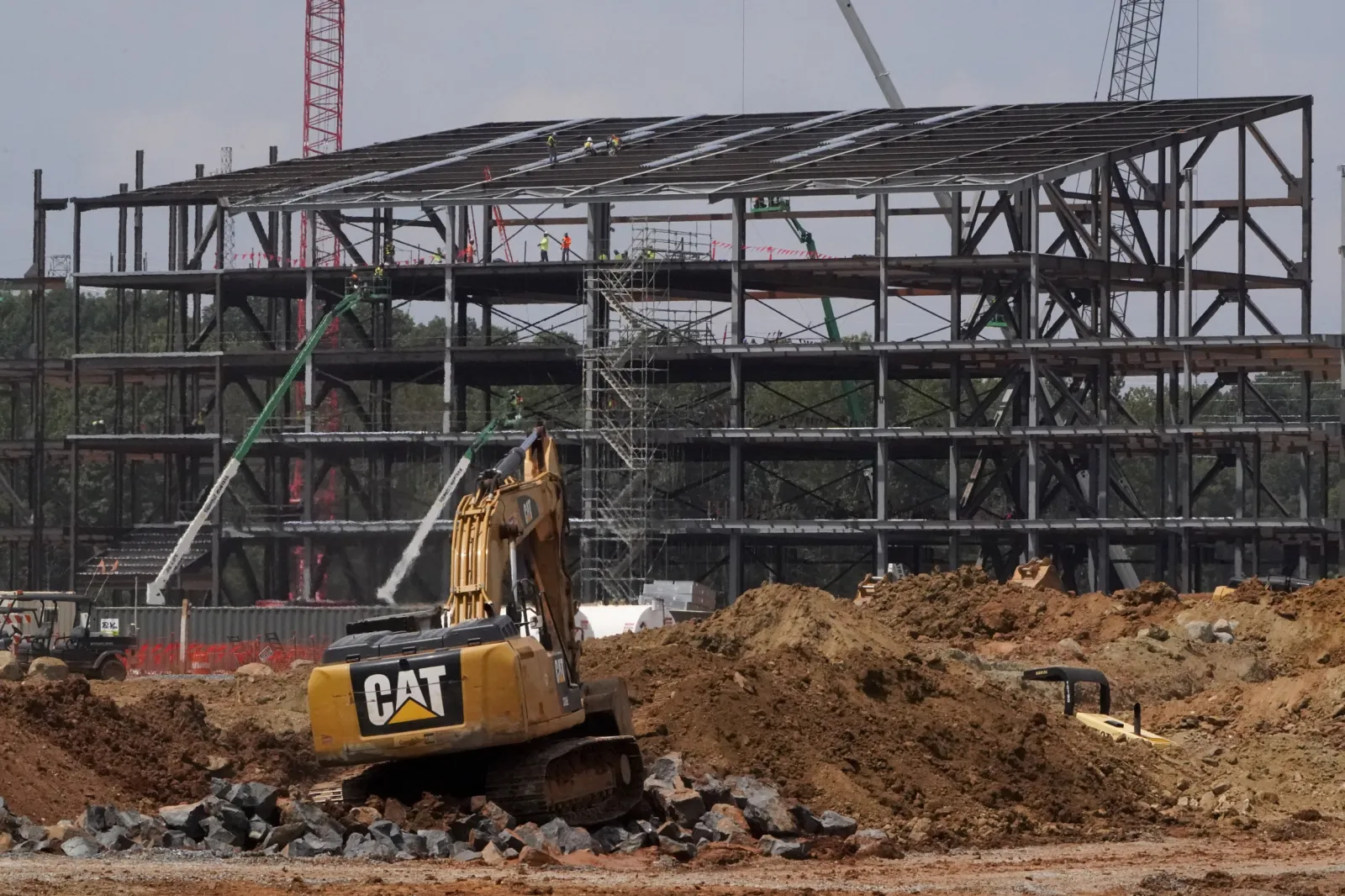
Construction projects across Alabama are experiencing delays stemming from a combination of workforce shortages and increased immigration enforcement, according to a recent survey by the Associated General Contractors of America and the National Center for Construction Education and Research (NCCER).
Why It Matters
A core component of Trump's immigration agenda is the removal of millions of undocumented immigrants, with a focus on the immediate deportation of individuals who were in the U.S. illegally, especially those with criminal records. However, the president's flagship policy has sparked concerns about its potential ripple effects on the economy.
Read More on News
...
What To Know
The survey, conducted in late July and early August, included responses from more than 1,300 construction firms nationwide, including 25 from Alabama.
It found that 90 percent of Alabama contractors were struggling to fill open positions, with 83 percent reporting vacancies for craft construction workers and a similar percentage for salaried positions.
Almost half of the firms indicated that candidates often lacked essential skills or appropriate licenses, according to the survey. These shortages have led to project delays, with 45 percent of firms nationwide reporting such issues.
In Alabama, 46 percent of firms have been affected by immigration enforcement activities in the past six months, either directly or indirectly, per the data released. This includes 13 percent reporting visits from immigration agents and 29 percent experiencing worker absences due to immigration-related concerns.
About 12 percent of Alabama construction firms use the H-2B visa program or other temporary work visa programs, according to the data. Industry leaders are advocating for the creation of a construction-specific temporary work visa program to address labor shortages. Additionally, 12 percent of firms reported project delays or cancellations due to tariffs, while 36 percent have raised prices, and 40 percent have accelerated purchases in anticipation of new tariffs.
The American Immigration Council projects that President Donald Trump's mass deportation policy could carry a one-time cost of $315 billion. Furthermore, deporting 1 million individuals each year could lead to annual expenses reaching up to $88 billion.
What People Are Saying
Ken Simonson, the chief economist at the Associated General Contractors of America, told Newsweek: "The legislation that President Trump signed on July 4 provides huge additional funding, staffing, and other resources for immigration enforcement, so it is likely that actions will increase substantially over the coming months. Immigrants accounted for 34 percent of construction trades employees in 2023, nearly double the 18 percent for all employees, according to an analysis of the Census Bureau's 2023 America Community Survey. The share differs greatly by craft and state (22 percent in Alabama) … but construction will almost surely be affected disproportionately by any large increase in immigration enforcement."
Boyd Worsham, the president and CEO of NCCER, said: "The survey makes clear what our industry has known for years: We can't build the future without investing in people. In Alabama, the findings reinforce there's still work to do. By expanding access to industry training and career and technical education, we can prepare people for meaningful careers, strengthen contractors' ability to deliver projects and build communities. At NCCER, we see every day how construction training changes lives. Expanding these opportunities in Alabama will give more people the chance to build lasting careers while providing contractors the workforce they need to get the job done."
Hasting Sykes of Sykes Weaver General Contractors in Birmingham said: "Alabama's construction industry is working hard, through the Alabama AGC, to make sure our state is preparing the next generation of construction professionals. Lawmakers in Montgomery understand the economic benefits of having a robust construction workforce, but we know there is still a lot of work left to be done."
What Happens Next
The Associated General Contractors of America and NCCER are urging Congress and the Trump administration to increase funding for high school career and technical education programs and to pass a new Workforce Innovation and Opportunity Act.
View 0 Comments
Submit Correction
View Editorial & AI Guidelines