...

By Mandy Taheri
Reporter
0
Share
Newsweek is a Trust Project member
See more of our trusted coverage when you search.Prefer Newsweek on Googleto see more of our trusted coverage when you search.
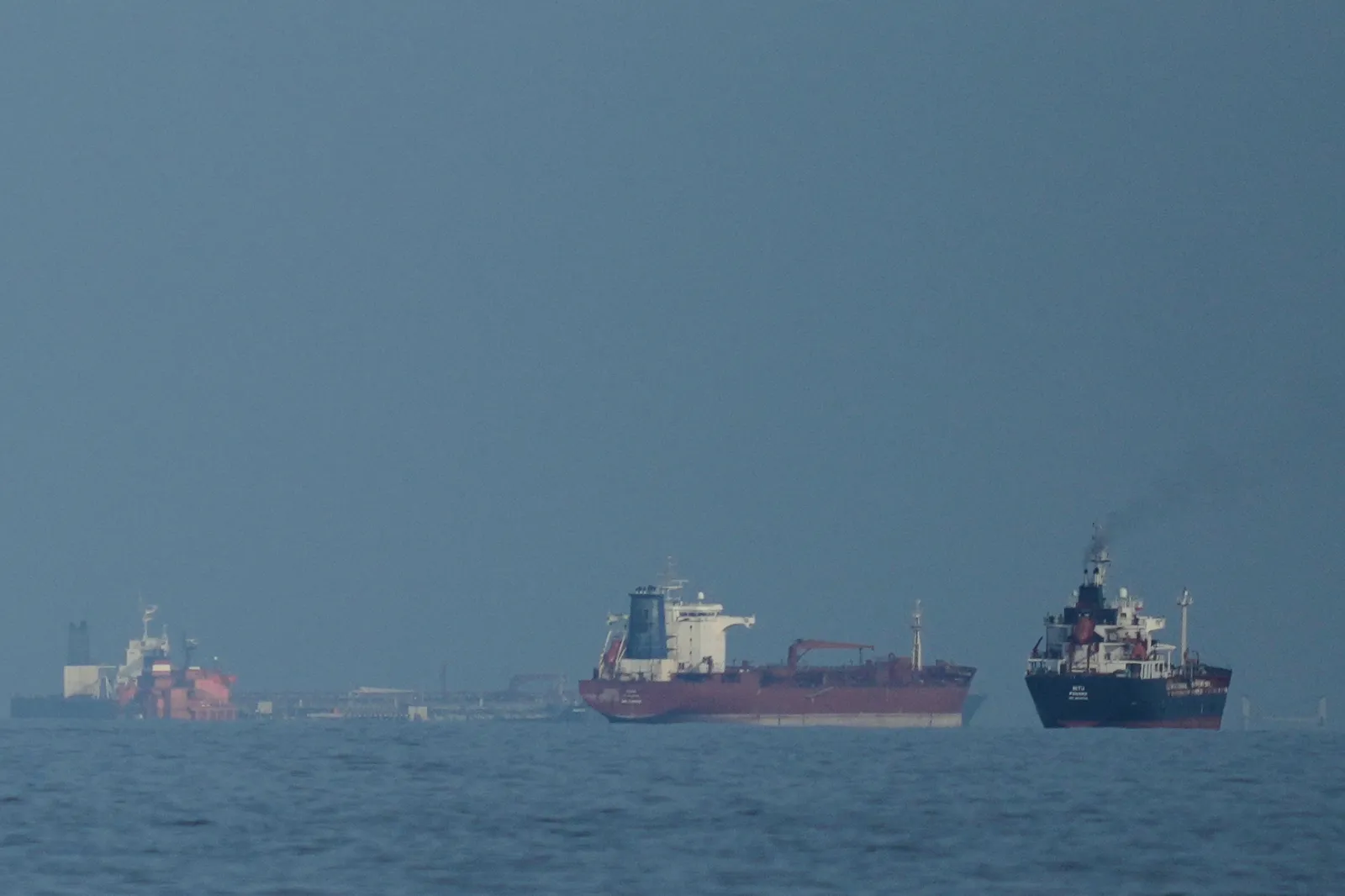
President Donald Trump earlier this week urged oil tanker crews to “show some guts” and continue sailing through the Strait of Hormuz, despite mounting security concerns, while on Wednesday at least three ships were struck.
Why It Matters
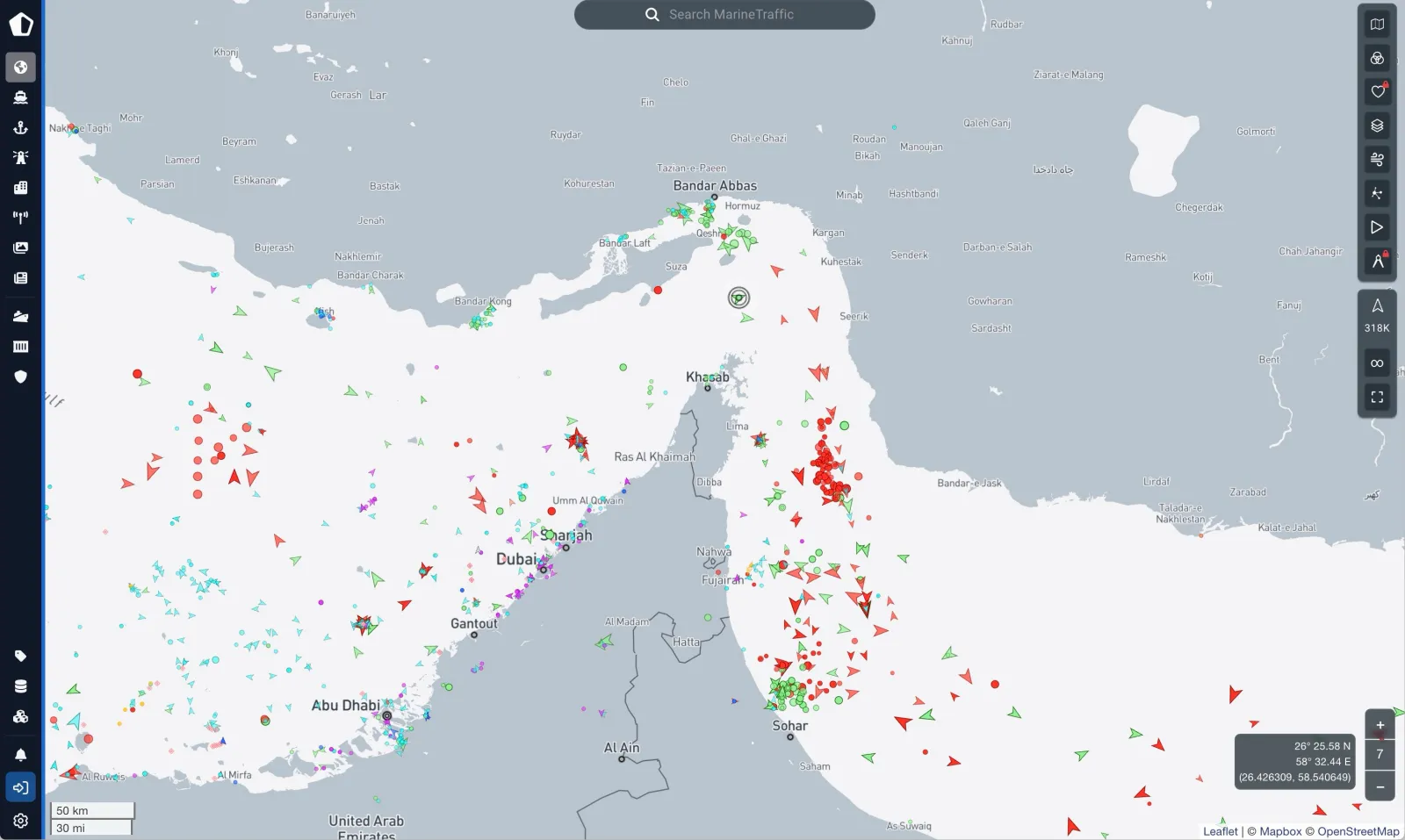
The Strait of Hormuz is a narrow, yet incredibly strategically important waterway connecting the Persian Gulf to the Gulf of Oman and the Arabian Sea. At its narrowest point, the strait is about 21 miles wide, with two shipping lanes that are 2 miles wide in each direction. Around 20 percent of global oil trade passes through the Strait, with any closure likely to spike global prices.
Read More on News
...
Maritime traffic making its way through the strait plummeted after Iran threatened to attack any ship traveling in the area, effectively cutting off access to the waterway. Trump told CBS News earlier this week, if Iran tries to do “anything bad [in the Strait], that would be the end of Iran and you'd never hear the name again.”
By contrast, Iran's Islamic Revolutionary Guard Corps said not "one liter of oil" would make it out of the region.
What To Know

...
On Wednesday, at least three cargo vessels were attacked in the Strait of Hormuz, including a Thai ship hit off the Emirati coast. Images released by Thai officials showed the ship on fire with huge plumes of smoke. Most of the 23 crew on board have been rescued by Oman authorities.
The strikes come just days after Trump reportedly told Fox News’s Brian Kilmeade, “These ships should go through the Strait of Hormuz and show some guts, there’s nothing to be afraid of ... They have no Navy, we sunk all their ships.”
Trump has stated that the Islamic Republic no longer has a Navy**.** Kilmeade also said on Fox & Friends that the president told him “there is risk in the region, the region is volatile, their launchers, there’s just about 150 left, that’s just about 20 percent of totals, they can’t regenerate, they can’t make any more.”
The U.S. also said it destroyed 16 Iranian minelayers close to the Strait of Hormuz on Tuesday.
...
U.S. Central Command (CENTCOM) issued a public warning on Wednesday urging civilians in Iran to stay away from ports along the Strait of Hormuz, saying Iranian forces are using commercial facilities to stage military operations that threaten international shipping.
CENTCOM said the presence of Iranian naval vessels and military equipment inside civilian ports puts workers, crews and nearby residents at risk. Under international law, the command noted, civilian sites used for military purposes lose their protected status and can become legitimate targets.
What Happens Next
Trump said Wednesday that the war with Iran is nearing its conclusion, insisting he alone will decide when the conflict stops and arguing that U.S. forces have already exhausted most viable targets.
“Little this and that… Any time I want it to end, it will end,” he told Axios in a brief phone interview.
View 0 Comments
Submit Correction
View Editorial & AI Guidelines