
...

By Amanda Greenwood
Associate News Editor
0
Share
Newsweek is a Trust Project member
See more of our trusted coverage when you search.Prefer Newsweek on Googleto see more of our trusted coverage when you search.
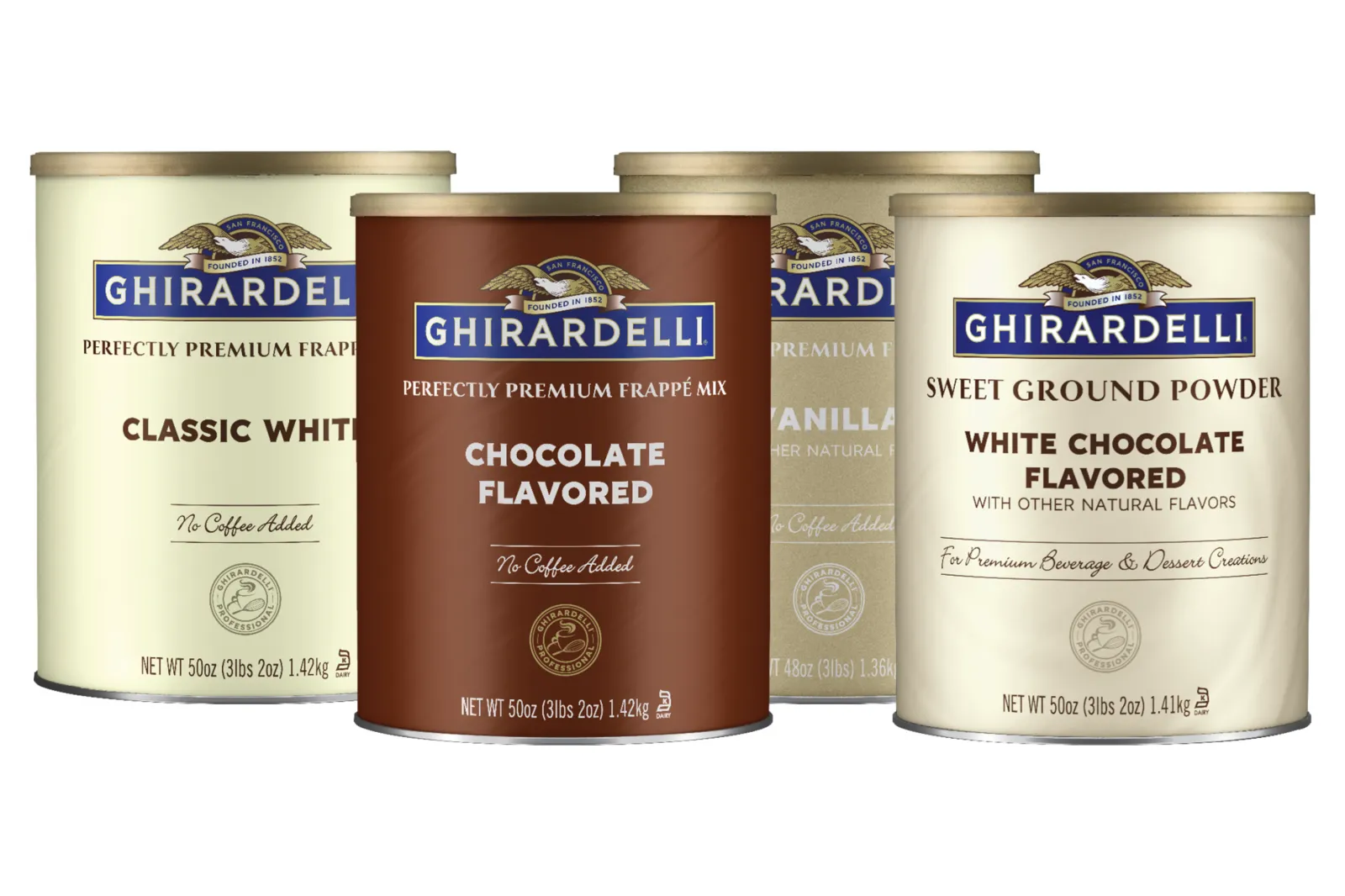
Ghirardelli Chocolate Company has recalled multiple powdered hot chocolate and frappe mixes after a supplier flagged a potential salmonella risk in milk powder used in the products, according to company and Food and Drug Administration (FDA) notices.
The recall affects a wide range of café-style drink mixes sold in large food-service formats—and in some cases, potentially available to consumers online.
Product Recall Details
The recall covers frappe, hot cocoa, mocha, vanilla and white chocolate powdered mixes, most of which were sold in bulk to food-service operators including cafés, restaurants and catering companies.
Read More on News
Ghirardelli said some products may also have reached consumers through online sales channels.
The action follows a separate recall by California Dairies, which identified a potential salmonella risk in milk powder supplied to a third-party manufacturer.
Ghirardelli said neither the company, its manufacturer, nor the supplier has received any reports of illness or injury, and that testing has not confirmed contamination in finished products.
It added that the recall is being carried out “out of an abundance of caution.”
Consumers and businesses are advised not to use affected products and to follow return or disposal instructions.
...
Recalled Drink Mixes
The FDA-listed recall covers 13 powdered beverage products, including:
- Bulk 30-pound chocolate and white frappe mixes
- Hot cocoa and mocha powders in multi-pound food-service packaging
- Vanilla, white chocolate and frozen hot cocoa frappe blends
- Several 3-pound and 10-pound pouch formats across café-style drink lines
Best-before dates range from February 2027 through January 2028.
(Full list provided by Ghirardelli and the FDA.)
Why Salmonella Is Dangerous
Salmonella is one of the most common causes of foodborne illness in the U.S., according to the FDA, and can be especially dangerous for young children, older adults, pregnant women and people with weakened immune systems.
While many healthy adults recover without treatment, infections can lead to hospitalization and, in rare cases, serious complications including bloodstream infections and organ-related disease.
The Centers for Disease Control and Prevention (CDC) estimates salmonella causes around 1.35 million infections annually in the U.S., resulting in approximately 26,500 hospitalizations and about 420 deaths.
Salmonella Symptoms to Watch Out For
The CDC warns that symptoms of a Salmonella infection typically begin six hours to six days after exposure and can include:
- Diarrhea (sometimes bloody)
- Fever
- Stomach cramps
- Nausea and vomiting
- Headache and body aches
Most infections last four to seven days, but severe diarrhea or dehydration may require medical attention, particularly among those who are more vulnerable.
What to Do If You Think You’re Infected
Health officials advise anyone who may have been exposed to monitor symptoms and seek medical advice if they experience:
- Diarrhea lasting more than three days
- High fever (above 102 degrees F)
- Signs of dehydration
- Bloody stools
Doctors should be informed of potential exposure to recalled products, as specific testing is required to confirm infection.
Other Salmonella-Related Recalls in 2026
The Ghirardelli recall is one of several salmonella-related food safety actions in 2026.
Earlier this year, a multi-state outbreak linked to moringa leaf powder sickened nearly 100 people, while a separate FDA recall in April involved cantaloupes flagged for salmonella contamination.
Officials say most recalls are precautionary rather than responses to confirmed outbreaks.
Are Salmonella Cases Increasing in the US?
So far in 2026, officials have not identified a nationwide increase in salmonella infections, though recall activity linked to the bacteria remains elevated compared with recent years.
Experts also note that many cases go undiagnosed. The CDC estimates only a fraction are confirmed through testing, meaning the true scale of infection is likely higher than reported figures suggest.
Regulators emphasize that recalls like Ghirardelli’s are precautionary measures aimed at preventing illness rather than responding to confirmed outbreaks.
View 0 Comments
Submit Correction
View Editorial & AI Guidelines