...

By Aliss Higham
Reporter
0
Share
Newsweek is a Trust Project member
See more of our trusted coverage when you search.Prefer Newsweek on Googleto see more of our trusted coverage when you search.
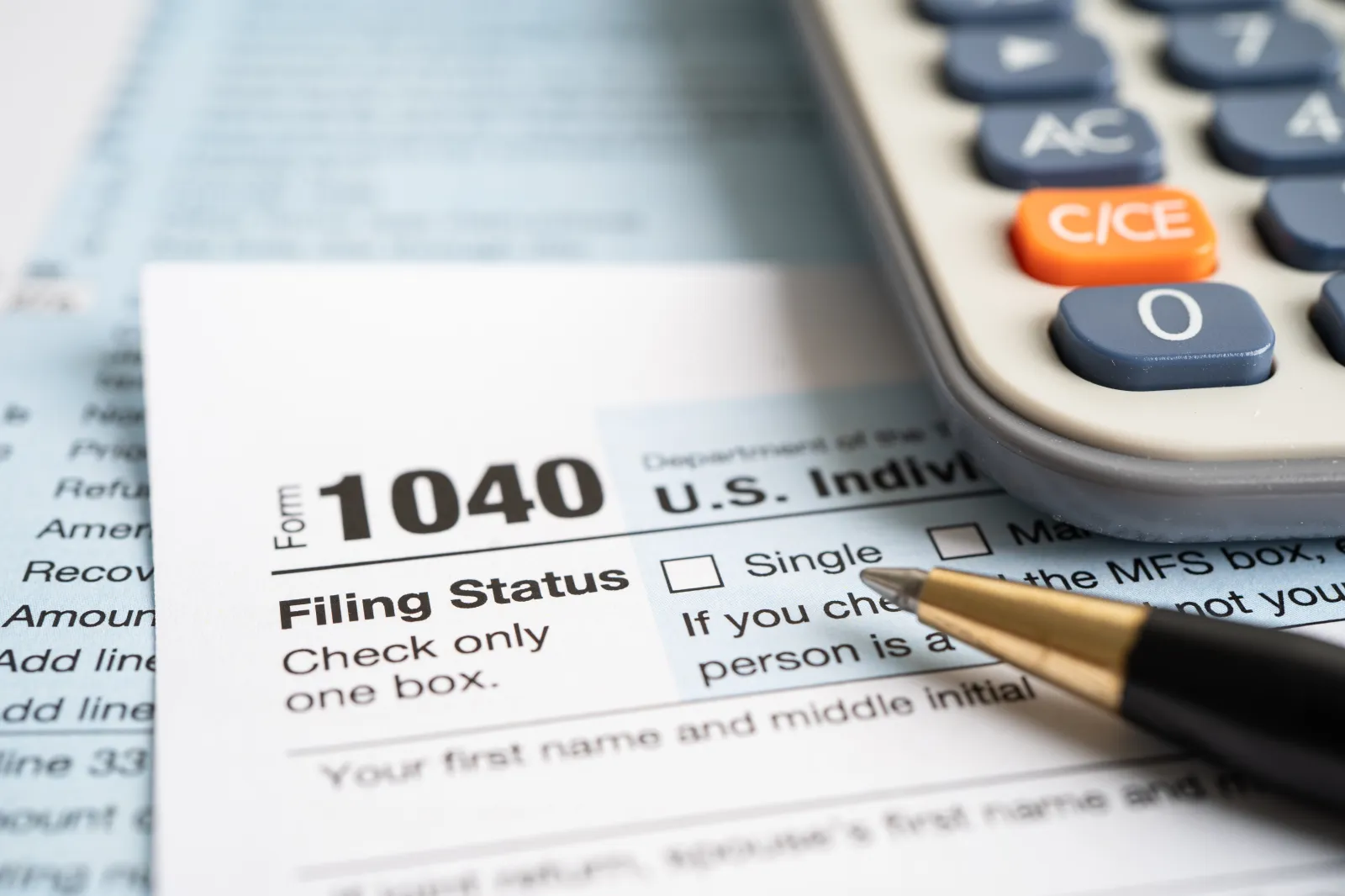
Tax season is now in full swing, and millions of Americans are preparing their returns ahead of the April 15 deadline.
With the Trump administration forecasting larger refunds for many households this year following sweeping tax changes, interest is growing not only in how much people might receive but also when that money could land in their bank accounts.
While the exact timing can vary, the Internal Revenue Service (IRS) has laid out general guidelines that give taxpayers a reliable way to estimate when their refund might arrive. Here is what you need to know.
Read More on News
How Tax Refunds Work
A tax refund is issued when a person has paid more in federal taxes than they ultimately owe. This usually happens through payroll withholding, but it can also occur when taxpayers qualify for refundable credits.
Even individuals who did not overpay during the year may still receive a refund if they are eligible for credits such as the Earned Income Tax Credit or the Child Tax Credit. In all cases, a return must be filed to receive any refund. The IRS allows taxpayers up to three years from the original filing deadline to claim money they are owed.
When Refunds Will Go Out
The fastest route to a refund is filing electronically and choosing direct deposit. The IRS says refunds from e-filed returns are typically issued within 21 days, and sometimes sooner if no errors or additional reviews are required.
As an example, a taxpayer who submits an electronic return on February 7 and has no issues flagged by the IRS could expect their refund by February 28 at the latest. If they select direct deposit for their refund, it could come even faster.
Paper filers should expect a longer wait. Returns sent by mail can take four weeks or more to process, and any mistakes, missing information or amendments can push that timeline back further.
The IRS advises against planning major purchases or bill payments around a specific refund date, saying processing times can vary even when returns appear straightforward.
...
How To Check the Status of Your Refund
Once a return is submitted, taxpayers can monitor its progress using the IRS's "Where's My Refund?" tool, which is available on the IRS website. For electronic filers, status updates are typically available within 24 hours. Those who file by mail can usually begin tracking their return about four weeks after sending it.
Changes for the 2025 Tax Season
This filing season is the first to reflect changes made by the One Big Beautiful Bill Act, which President Donald Trump signed into law in July. The legislation introduced several provisions aimed at reducing tax burdens for working families, seniors and certain wage earners.
One of the most significant updates is a new deduction for older Americans. Taxpayers aged 65 and over who owe federal taxes on their Social Security income can now claim an additional $6,000 deduction through 2028. Married couples can deduct up to $12,000 if both spouses qualify.
The law also created temporary deductions for specific types of income. Eligible workers may deduct qualified overtime pay, up to $12,500 per return or $25,000 for joint filers, with the benefit gradually reduced for higher earners. Tipped workers can now deduct up to $25,000 a year as well.
According to the Treasury Department, policies such as no tax on tips, no tax on overtime and no tax on Social Security will result in an average $1,000 tax cut for 44 million working families. It also said families with two children would see an average $1,700 reduction as the enhanced Child Tax Credit, raised to $2,200 in 2025 and adjusted for inflation, took effect.
On Monday, the Treasury Department wrote on X: "With the opening of tax filing season last week, President Trump's Working Families Tax Cuts are set to deliver the biggest refunds in American history."
The IRS expects to receive 164 million individual returns this year. Treasury Secretary Scott Bessent has said he anticipates "gigantic" and "very large" refunds for many Americans.
"The bill [OBBBA] was passed in July, working Americans didn't change their withholding, so they're going to be getting very large refunds in the first quarter," Bessent said. "So I think we're going to see $100-$150 billion of refunds, which could be between $1,000, $2,000 per household. Then they'll change their withholding, and they'll get a real increase in their wages."
In a polarized era, the center is dismissed as bland. At Newsweek, ours is different: The Courageous Center—it's not "both sides," it's sharp, challenging and alive with ideas. We follow facts, not factions. If that sounds like the kind of journalism you want to see thrive, we need you.
When you become a Newsweek Member, you support a mission to keep the center strong and vibrant. Members enjoy: Ad-free browsing, exclusive content and editor conversations. Help keep the center courageous. Join today.


View 0 Comments
Submit Correction
View Editorial & AI Guidelines