
Photo-illustration by Newsweek/Getty

By Giulia Carbonaro
Senior Reporter
0
Share
Newsweek is a Trust Project member
See more of our trusted coverage when you search.Prefer Newsweek on Googleto see more of our trusted coverage when you search.
Rising gas prices after Iran responded to joint strikes by the U.S. and Israel in late February are causing U.S. drivers to feel the pinch at the pump, with a gallon of regular gas reaching a nationwide average of $4, according to AAA data.
But the pain caused by higher energy prices risks spreading much further than the gas station, experts warn, and exacerbates an already suffering sector—that of affordable housing.
After years of underbuilding and a spike in demand during the pandemic, the U.S. is facing a chronic lack of affordable housing—those units, rental or owned, which cost no more than 30 percent of a household’s gross income, including utilities.
Read More on News
There is currently a shortage of 7.2 million affordable and available rental homes for 11 million extremely low-income households nationwide, according to the National Income Housing Coalition. No state, according to the group, currently has an adequate supply of affordable rental housing for these households.
...
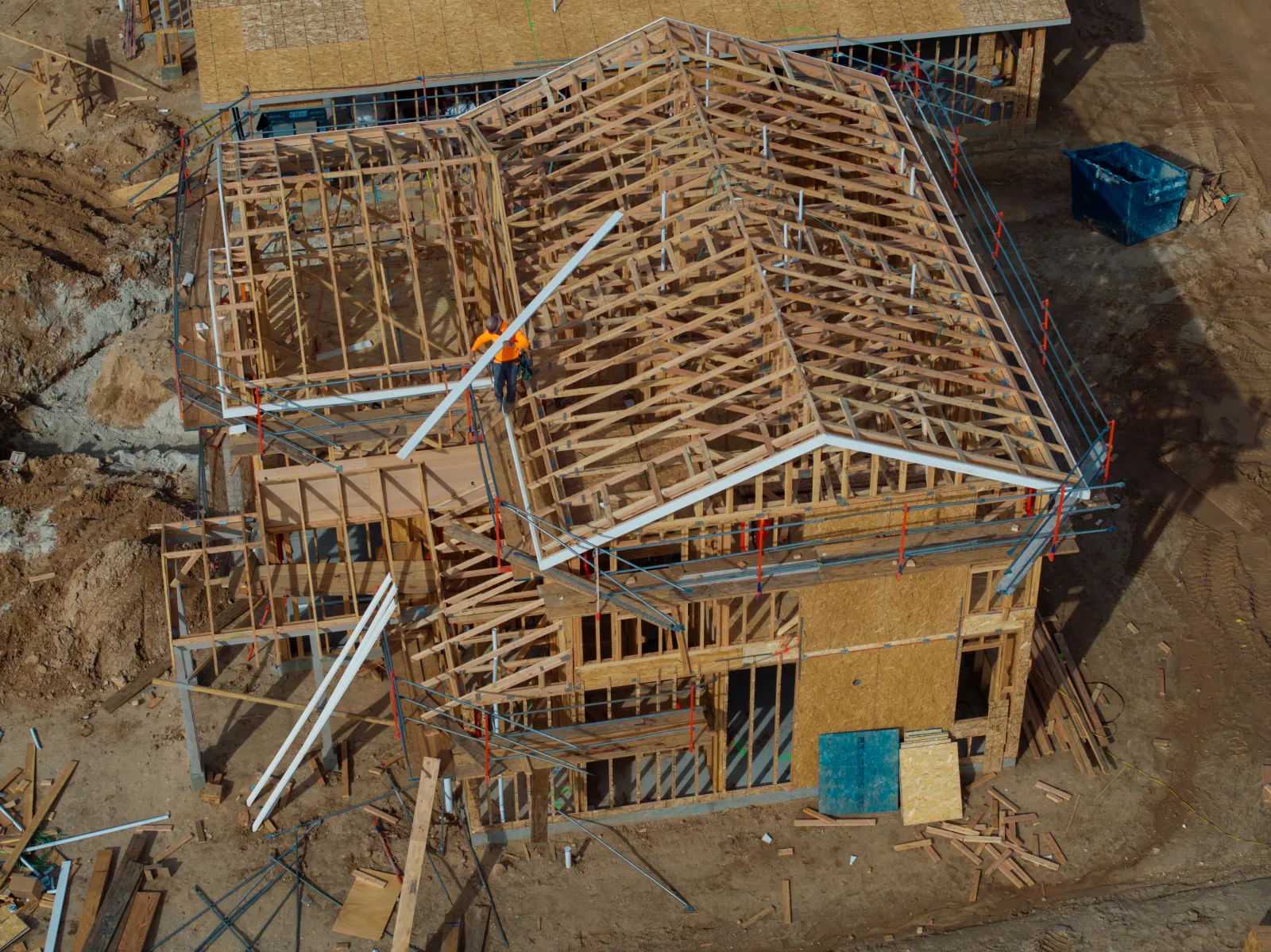
But incentives to build more of these units are actually declining due to soaring energy prices, Andrew Warren, head of community development lending at TD Bank, a partner to many affordable housing projects, told Newsweek.
“Cost going up is going to affect the feasibility of adding new units, just on the development side,” Warren said. “Then there’s the monthly burden that residents in these units are going to face when they actually get their utility bills, which they can’t afford,” he added.
“And then there’s the unexpected rise in operating costs that happen for the owners of these buildings, which they have to absorb as they’re already running on thin margins.”
How Can Gas Prices Affect Affordable Housing Availability?
In the days ahead of the start of the Iran war, gas prices were at $2.98 a gallon on average nationwide—the lowest levels they had been in years. A month later, in late March, they had risen by a dollar. Now, they are over $4, with states like California inching close to an average of $6 a gallon.
Diesel prices, meanwhile, were near $5.4 a gallon as of late March, according to the latest data by the U.S. Energy Information Administration, up by over $2 from a year earlier.
On Sunday, U.S. Energy Secretary Chris Wright said he believed gas prices had peaked, but are likely to remain above $3 per gallon until next year.
Gas prices could fall below $3 a gallon “later this year,” Wright told CNN’s State of the Union program, but “that might not happen until next year,” he added.
This is bad news for U.S. housing developers already struggling with dwindling demand. From transporting materials to powering construction equipment, there is hardly any aspect of housing construction that is not affected by higher gas prices.
According to Robert Dietz, chief economist at the National Association of Home Builders, “62 percent of builders reported suppliers have increased building material costs due to higher fuel prices, including gas and diesel” after oil prices spiked following the start of the war in the Middle East.
“Energy costs make up approximately 4 percent of residential construction material input and service costs,” Dietz explained. “With near-term economic risks elevated, 70 percent of builders reported challenges pricing homes given uncertainty about material costs.”
For developers building affordable housing, an activity that is often deemed not profitable for private developers due to high land costs, expensive materials, and lower sale or rental returns, higher energy prices represents an even more significant hurdle.
“Construction and new supply is a diesel-intensive business, so higher prices are going to drive shipping costs, manufacturing costs, transportation costs and then operating machinery on site,” Warren told Newsweek.
“Then there are what I call the hidden costs: petroleum is a major factor in asphalt, the roofing materials, PVC piping, insulation,” he added. “Insulation uses petroleum, and that ironically is one of the materials that’s supposed to reduce your energy demand. But if all of those things go up, even on a small scale, that’s going to lead to the cost of a building going up and fewer units being built,” he said.
Affordable housing construction depends on city, state, and federal subsidies, and that pool is already shrinking, Warren said. With the additional expense of higher energy prices, developers and government partners are likely to be forced to reduce the number of projects they get involved in, Warren said.
“That means that a building in this town may get priority and a building in that town may not, which means that the needed affordable housing for shovel-ready projects today are going to be shelved. And that is what’s going to happen,” he said.
Low-Income Households Are Hurting Right Now
For Warren, volatility in the energy market is the most damaging factor to the affordable housing stock—including for those households who are “fortunate” enough to be already living in affordable housing units.
“Developers really can’t reprice their budgets when costs go up, and the tenants cannot absorb the burden of additional utility costs,” Warren said.
“The idea of affordable housing is that you want to keep the rent and the shelter cost below 30 percent of the median income of the area. That’s a formula that includes your utility costs,” he explained.
“If the bills for living in that unit go up, you’re pushing that unit out of affordability. And from a rent standpoint, if the utilities, which is a factor in the actual rent, if the utility goes up the landlord really can’t catch up,” he added.
“Their margins are going to be lower, which means that services in the building are going to impact those residents or the tenant themselves is going to be burdened for a cost they can’t bear.”
Both owners and tenants are being forced to make tough decisions.
“So any spike is going to lead to a hard decision between services provided to the building and tenants today, and the maintenance that is going to benefit the building and keep that building affordable for tomorrow,” Warren said.
Their best hope is that the U.S., Iran and Israel will agree to end the war in the Middle East and fully reopen the Strait of Hormuz. Even then, Warren said, the damage already done to the affordable housing sector cannot be reversed.
“I do think affordable housing is going to get built,” he said. “Just not as much.”
View 0 Comments
Submit Correction
View Editorial & AI Guidelines