...

By K. Ward Cummings and Anne Tapp Jaksa
0
Share
Newsweek is a Trust Project member
See more of our trusted coverage when you search.Prefer Newsweek on Googleto see more of our trusted coverage when you search.
Is it possible to raise an unbiased child?
If experts are to be believed, the answer may be no. But, you can do the next best thing: You can teach the child to recognize their biases, understand why they have them and what to do about them.
Nobody is born with biases. We pick them up from our environment—from our parents, teachers, friends and family, the media we consume and even from casual observations.
Read More on Opinion
“They are acquired rapidly, and often without our awareness,” write child developmental psychologists Andrew Meltzoff and Walter Gilliam in a paper published in the Winter 2024 issue of the MIT publication Daedalus.
If a parent wants to influence how a child manages their biases, it’s best to start early, according to Meltzoff and Gilliam. “Early identification and treatment are more effective and less costly than interventions at older ages when a habit or attribute is more entrenched.”
But, the biggest obstacle to a parent’s success may be their own biases—which can be passed on unintentionally. According to Meltzoff and Gilliam, even if a parent or teacher tries hard to hide their biases, children can still “pick up the non-obvious or hidden messages that lie behind adult actions.”
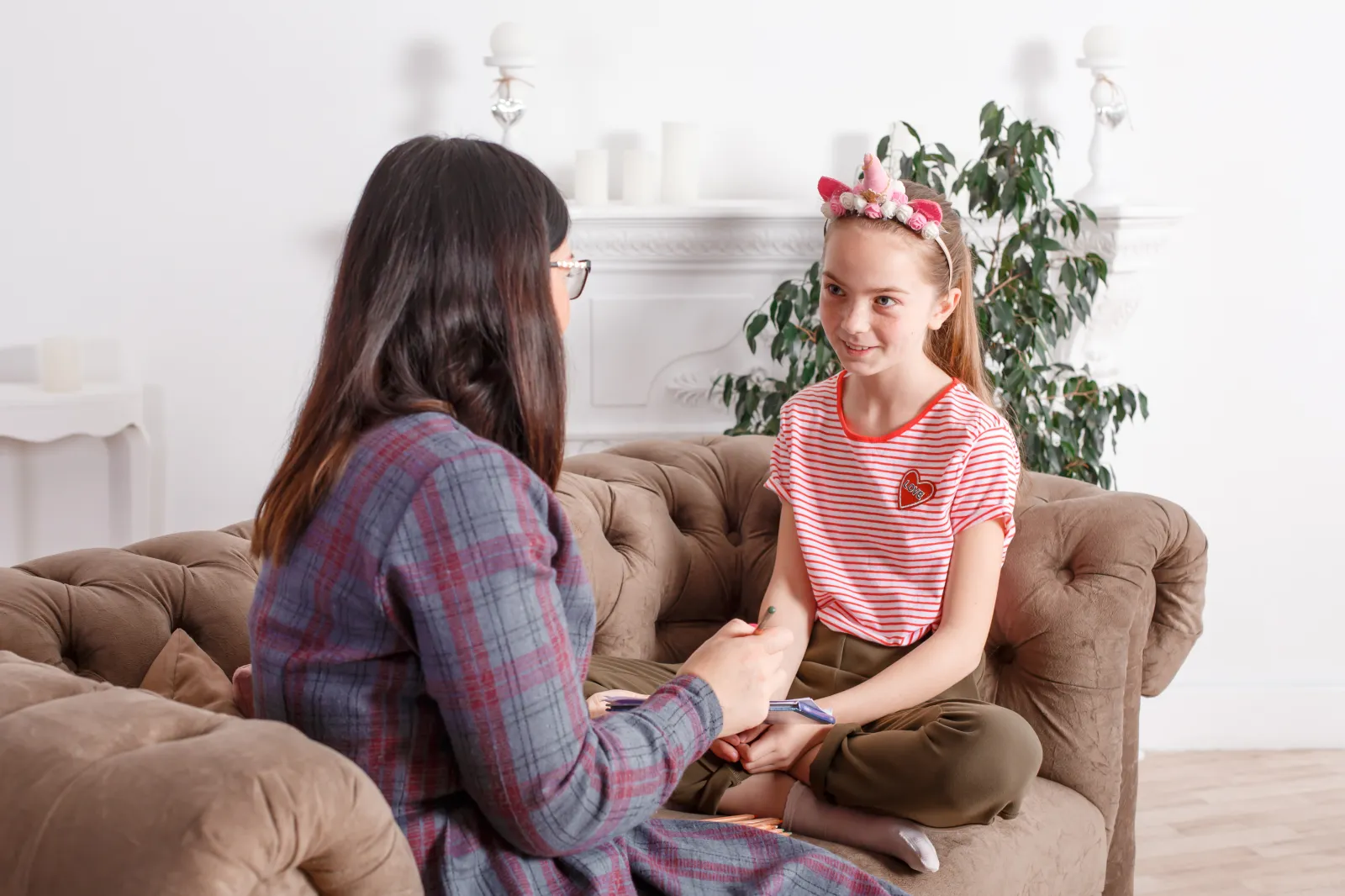
Despite this, there are active steps you can take to influence how your child manages their biases. The process doesn’t have to be complex or theatrical. It can be subtle. But, it must be intentional—and involve a degree of self-examination.
...
Start with yourself. According to Meltzoff and Gilliam, a parent’s awareness of their own biases will help them to model the kind of behavior they want to teach. Bias is often taught by omission: Which books sit on the shelf, which holidays get celebrated, which stories get told in class or at bedtime.
Talk openly about bias—starting with your own. If you struggle with biases, it’s important that the child sees you struggle and sees you grow.
The best lesson we can model is that change is possible. Tell your child, “I used to think it was odd when people dressed differently. But now I see they’re just expressing who they are.” Or, you might say, “I used to think that boys were better at math than girls, but I’ve learned differently.”
These strategies don’t require a high level of education or perfect politics—they just require intention. When parents and educators take small steps to recognize and reshape their own bias, they model something even more powerful than tolerance: They model growth.
Kids don’t need to be exposed to hate speech to absorb bias. They notice subtleties. They notice who gets praised, who gets punished, who’s included—and who isn’t. That’s why it’s essential that both parents and teachers speak candidly about bias—not just in others, but in themselves.
Saying, “I used to think that way too, and I’ve learned better,” teaches kids that bias is something you can unlearn.
Ask questions that reveal bias. Don’t just lecture. The goal isn’t to give kids “the right answer,” but to help them build the habit of asking better questions. Asking questions like, “What made you think that?” or “Where did you learn that idea?" can gently disrupt stereotypes and push kids to examine their own thinking.
Inclusion is key. It’s important to put kids in environments that challenge their norms**.** Whether it’s a diverse classroom, a community festival, or even a documentary, children need to see lives different from their own. These encounters plant empathy. They also teach that “different doesn’t mean deficient.” And, when those experiences are guided—not forced—they help kids stretch their worldview without shutting down.
We can never be with a child 24/7, and we all know how formidable the pull of friends and media can be. By teaching a child to question their assumptions, you teach them the critical reasoning skills to help them make better choices.
If you’re reading this, chances are, at some point recently you’ve caught yourself having a biased thought about someone or something. You know biases are impossible to escape, but you also know they don’t have to define your actions or decisions.
Imagine an America where children think that way, too.
K. Ward Cummings is an opinion writer and the author of Partner to Power: The Secret World of Presidents and their Most Trusted Advisers*.*
Anne Tapp Jaksa, Ph.D., is chair of the board of directors of the American Association of Colleges for Teacher Education, and a professor at Saginaw Valley State University.
The views expressed in this article are the writers’ own.
View 0 Comments
Submit Correction
View Editorial & AI Guidelines