...

By Theo Burman
Live News Reporter
0
Share
Newsweek is a Trust Project member
See more of our trusted coverage when you search.Prefer Newsweek on Googleto see more of our trusted coverage when you search.
The pyramids may have been built using a sophisticated hydraulic system, according to a new study in Egypt.
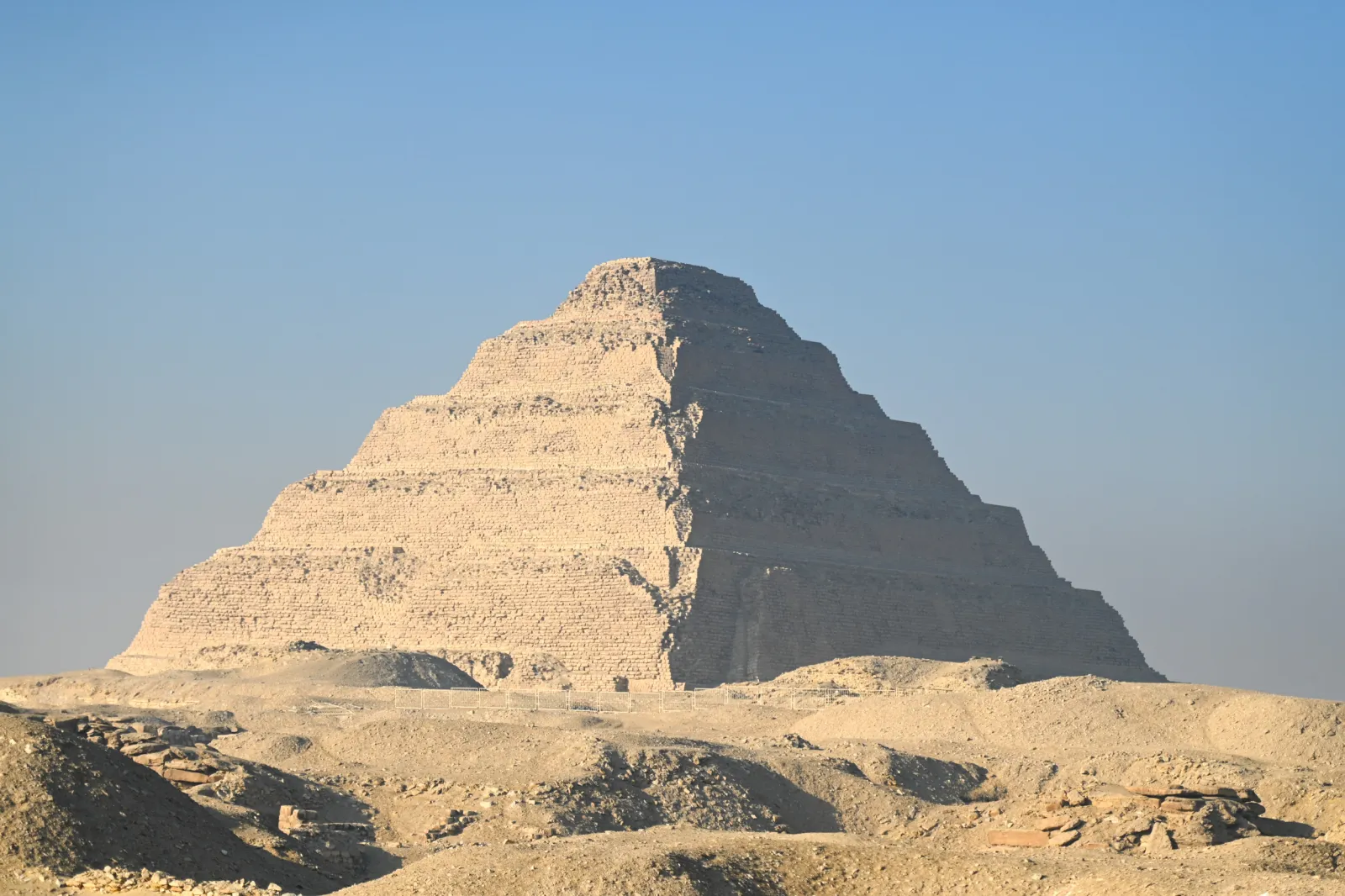
Evidence of ancient Egyptians using water pressure to lift stone blocks was discovered at the Step Pyramid of Djoser, with a research team concluding its architecture matched that of a "hydraulic elevation mechanism."
Why It Matters
The theory could be the earliest evidence of hydraulic engineering in monumental architecture, and provides an explanation of how the pyramids were erected with tools previously thought unavailable at the time. If correct, it means that the Egyptians had a far greater understanding of hydraulic technology than previously thought.
Read More on News
What To Know
Most mainstream theories propose that the Egyptians used ramps and brute manpower as the primary methods for lifting the limestone blocks that make up the pyramids.
However, the study argues that the internal layout of the Step Pyramid, combined with the surrounding landscape, suggests that engineers may have used a volcano-style mechanism in which water-driven pressure helped elevate stones from within the structure.
The system would have operated in tandem with natural topography and artificially created reservoirs, potentially linking to a tributary of the Nile to create a temporary lake.
...
The main pieces of evidence supporting the hydraulic theory were the discovery of a "dry moat" surrounding the pyramid, as well as a massive stone structure known as the Gisr el-Mudir. These features resemble components of a modern water treatment system, including sedimentation and purification basins.
The Gisr el-Mudir could have functioned as a check dam to trap and regulate water flow, which in turn could have powered the lifting mechanism inside the pyramid. However, this setup implies a level of hydraulic sophistication way beyond all prior assumptions about how advanced ancient Egyptian engineering was.
What People Are Saying
In the abstract of the report, the researchers said: "The Step Pyramid of Djoser in Saqqâra, Egypt, is considered the oldest of the seven monumental pyramids built about 4,500 years ago. From transdisciplinary analysis, it was discovered that a hydraulic lift may have been used to build the pyramid.
"Based on our mapping of the nearby watersheds, we show that one of the unexplained massive Saqqâra structures, the Gisr el-Mudir enclosure, has the features of a check dam with the intent to trap sediment and water.
"The ancient architects may have raised the stones from the pyramid centre in a volcano fashion using the sediment-free water from the Dry Moat's south section. Ancient Egyptians are famous for their pioneering and mastery of hydraulics through canals for irrigation purposes and barges to transport huge stones."
What Happens Next
Researchers continue to investigate how the pyramids were built, with more focus being put into the possibility of hydraulic power.
View 0 Comments
Submit Correction
View Editorial & AI Guidelines