10
Loading video...


By Alyce Collins and Ashley Veen
0
Share
Newsweek is a Trust Project member
See more of our trusted coverage when you search.Prefer Newsweek on Googleto see more of our trusted coverage when you search.
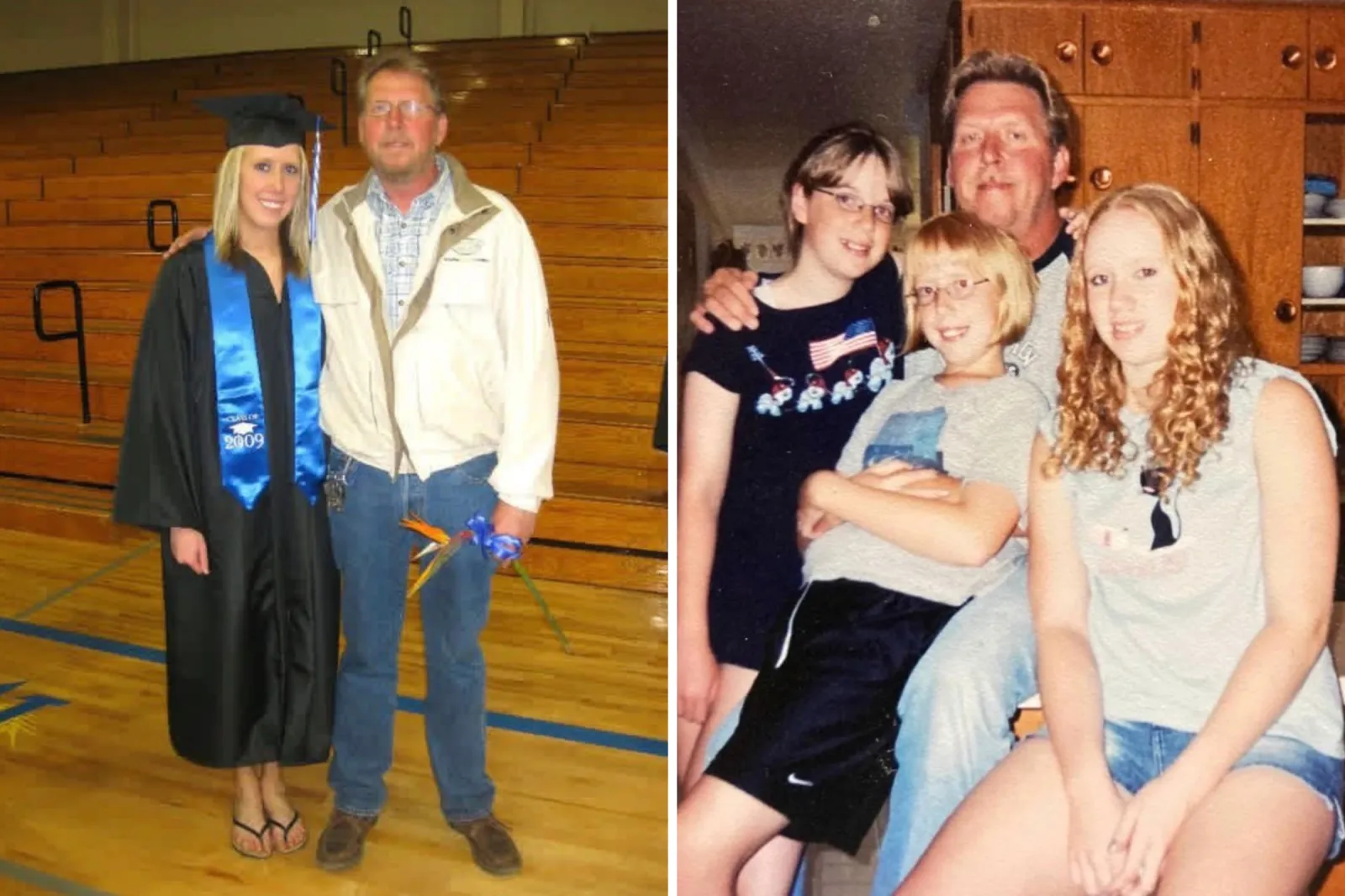
Growing up, I shared a wonderful bond with my dad, Bert Harvey Veen. My childhood wasn’t always easy. I was the tallest in my class, I wore glasses because I had poor vision and had very long limbs. But no matter whether I had a good day or a terrible one, my dad would ask me all about it and listen to my every word.
Unfortunately, he left us far too soon.
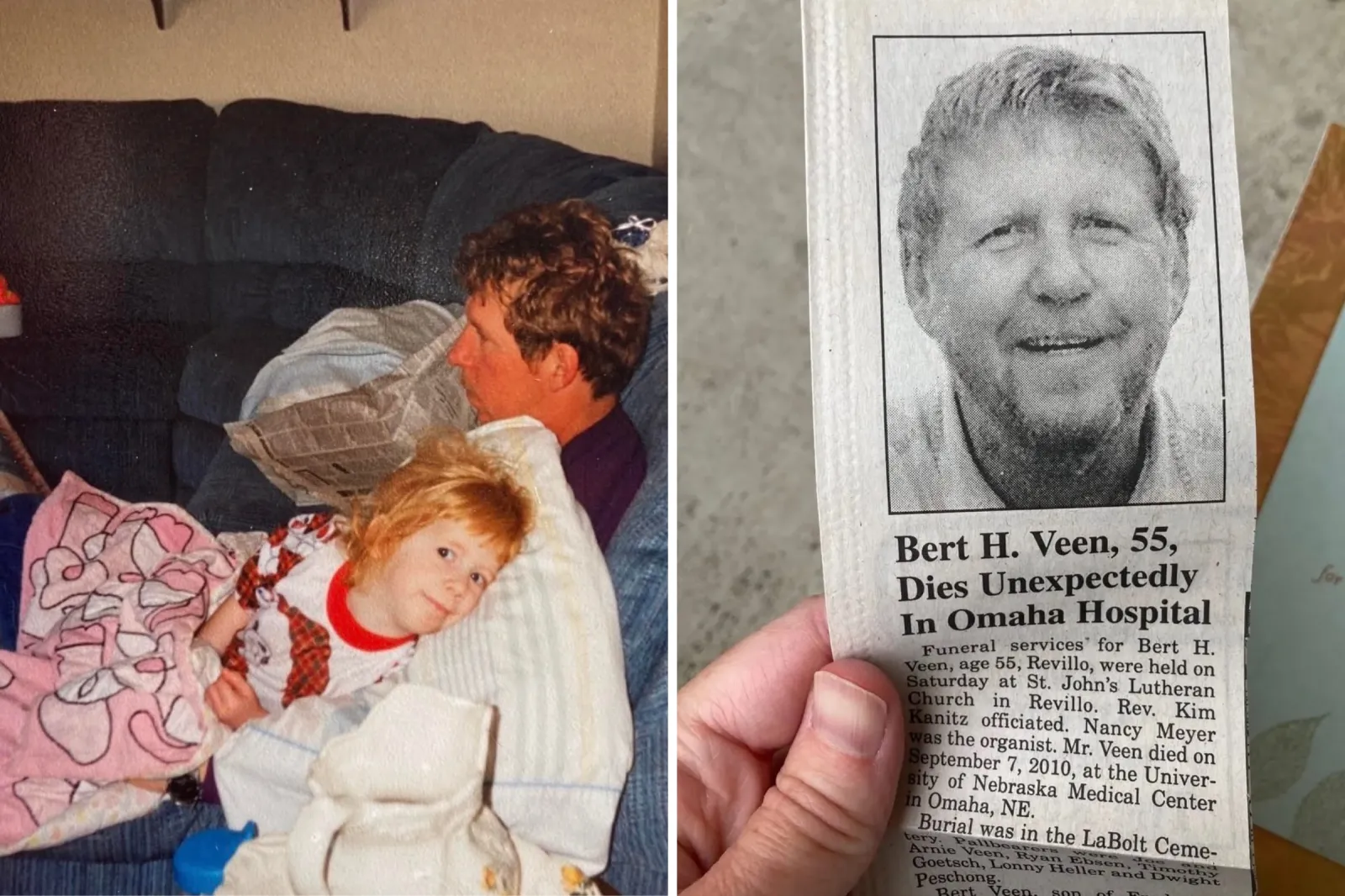
My dad passed away on September 7, 2010, at the age of 55.
Read More on My Turn
...
He had always been healthy, but a few days before his death, he suffered a medical emergency. He spent several days intubated in hospital, but sadly, it was too late. He had suffered an aortic dissection. Although he underwent open-heart surgery in a bid to save him, the tear extended from his heart all the way down to his legs.
Since we lost our dad, my sisters Whitney, Jessica and I have always tried to make him proud and to honor him in every way possible.
‘Genetic Testing Showed a Mutation’
I now have two young children of my own, and I named my daughter, Harvey, after him. I would give anything for my children to have met their grandad.
...
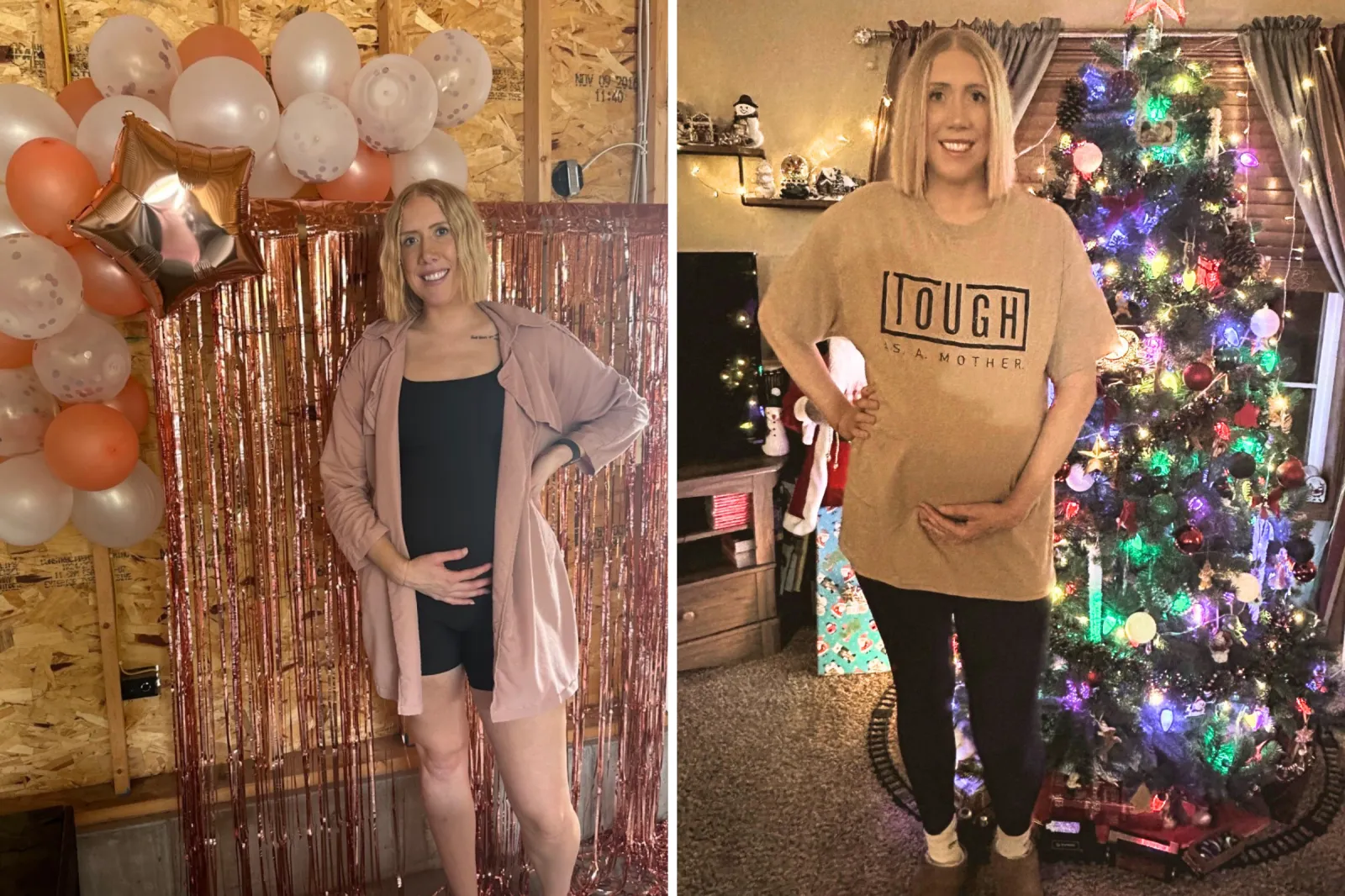
While I was pregnant with Harvey in 2023, I started experiencing shortness of breath and often felt faint, dizzy and lightheaded. Naturally, I brought these symptoms up to my OB-GYN and she encouraged me to see my primary care doctor.
So, I scheduled an appointment, and because of my family history of aortic dissections, I was then referred to a cardiologist and a geneticist. I was only a few months pregnant and in my early thirties, but everything seemed to happen so quickly.
I was scheduled for an echocardiogram two weeks later, and that showed that my aorta was dilated. As a result, when I saw the geneticist, we decided to move forward with testing for connective tissue disorders.
When the results from the genetic testing came back, they showed a mutation in the FBN1 gene. That initially meant very little to me, but then I learned that it is associated with a condition called Marfan syndrome.
So many thoughts started swirling around my head. What does this mean for me, my future, my unborn child?
I went home and did what many people would do—I Googled.
...
Marfan syndrome is a genetic disorder affecting the body’s connective tissue. It can cause poor vision, enlargement of the aorta, long limbs, and a tall, slender build. As I went through the list and mentally checked off many of the symptoms of the condition off, all the pieces came together.
It explained so much about my physiology, but also, my dad’s. I was always tall like my dad, but we had no idea what that could mean. The condition affects one in every 5,000 people, and a person with the condition has a 50 percent chance of passing the genetic mutation to their child.
‘I Had to Be Heavily Monitored by Multiple Teams’
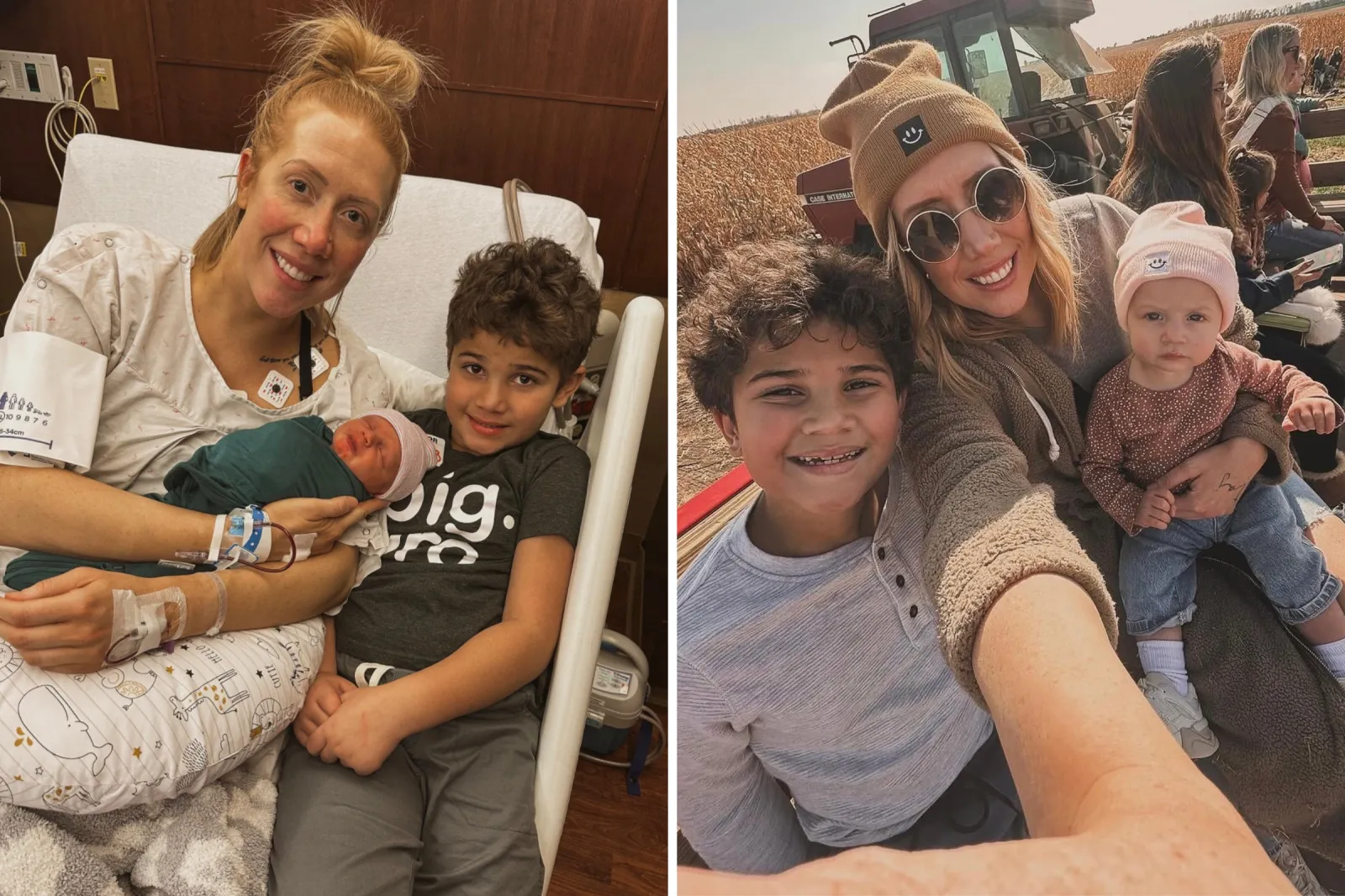
Following my diagnosis in September 2023, I had echocardiograms done every two weeks for the remainder of my pregnancy. I also saw a high-risk OB-GYN and had ultrasounds every month.
My aortic root, which connects the left ventricle of the heart to the systemic circulation, grew from 4 cm to 4.3cm during my pregnancy. While worrying, it was just below the threshold to require surgery.
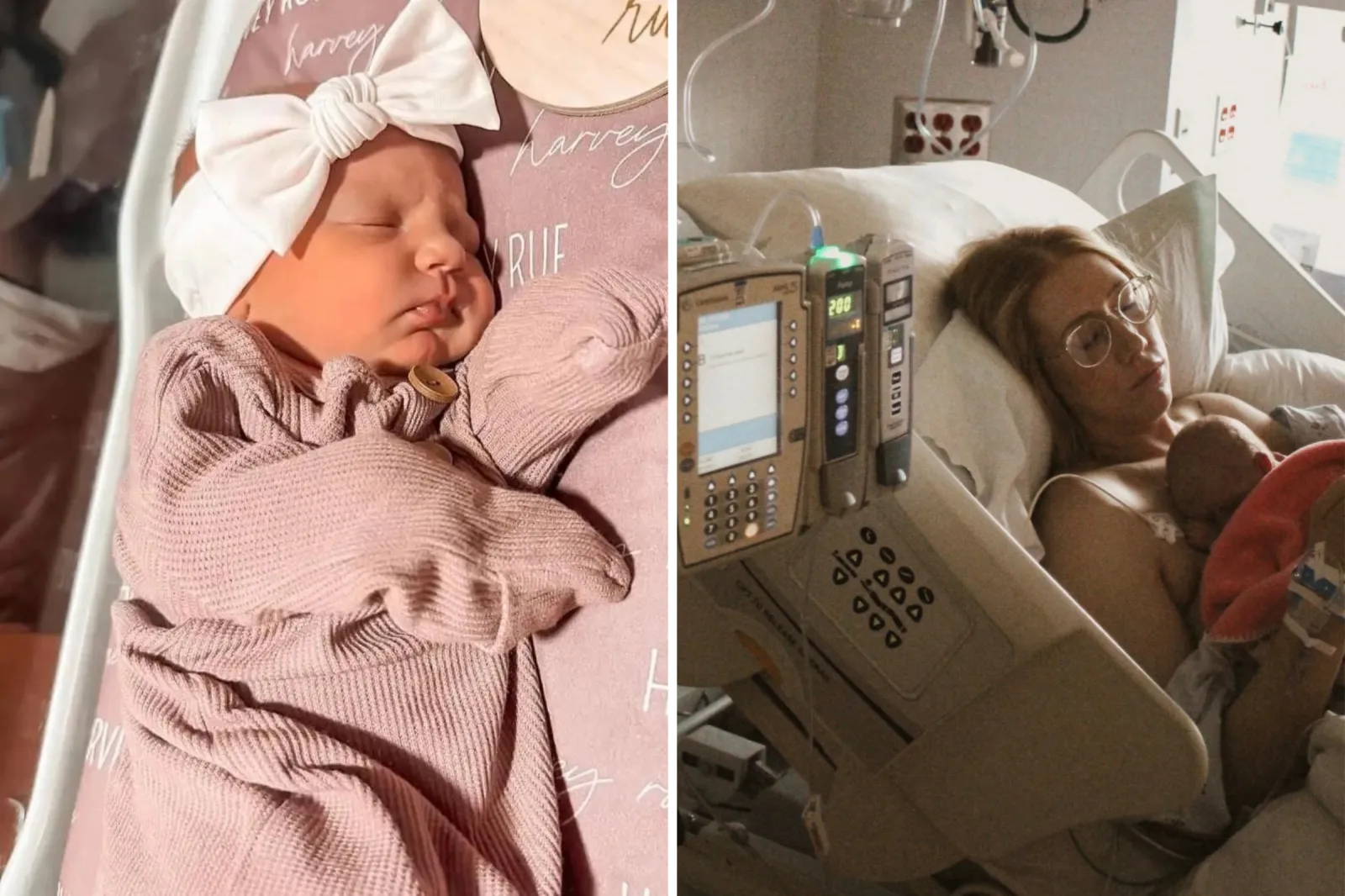
My daughter was delivered by Caesarean at 36 weeks, and because I was at an increased risk of aortic dissection, I had to be heavily monitored by multiple medical teams throughout the delivery and for 24 hours afterward.
As it turned out, I actually hemorrhaged during the delivery and lost approximately three liters of blood.
I spent 24 hours in the ICU after my daughter was born, while she was on a completely different wing of the hospital. In fact, every time I needed to breastfeed, one of the nurses had to wheel my newborn baby through the hospital to be with me.
...
I was single at the time, so Whitney was in the delivery room with me, and then she and my brother-in-law both stayed in the postpartum room with my daughter while I was in the ICU. Once I was discharged from the ICU, I was moved to the postpartum unit where I spent a few more days.
‘It Felt Like I Had Just Been Given a Death Sentence’
While I had managed to get through my pregnancy and delivered my baby safely, I knew my journey was not over.
Every year since then, I had an MRI in January and an echocardiogram in July. This summer, I put off my echocardiogram because I was just so tired of the appointments. I was exhausted by it all and couldn’t face going for yet another test.
After putting it off for a month, I finally scheduled it for August 6.
I thought it was going to be a routine scan, but the results showed significant growth in my ascending aorta. While the enlargement had previously been considered stable, it had now reached 5 cm, raising concerns.
This led to a CT scan on August 17, which I attended and then went about my day as normal. I was quite unfazed by scans, tests and medical appointments by that point.
...
But two hours later, I looked at my phone and saw four missed calls. I knew that wasn’t good.
When I finally answered, I was told to go to the ER immediately because I had an aortic dissection. When I heard those words, it felt like I had just been given a death sentence.
I knew that my dad’s dissection was fatal, so the first thing that ran through my mind was, am I ever going to see my children again?
It was a feeling I wouldn’t wish on my worst enemy.
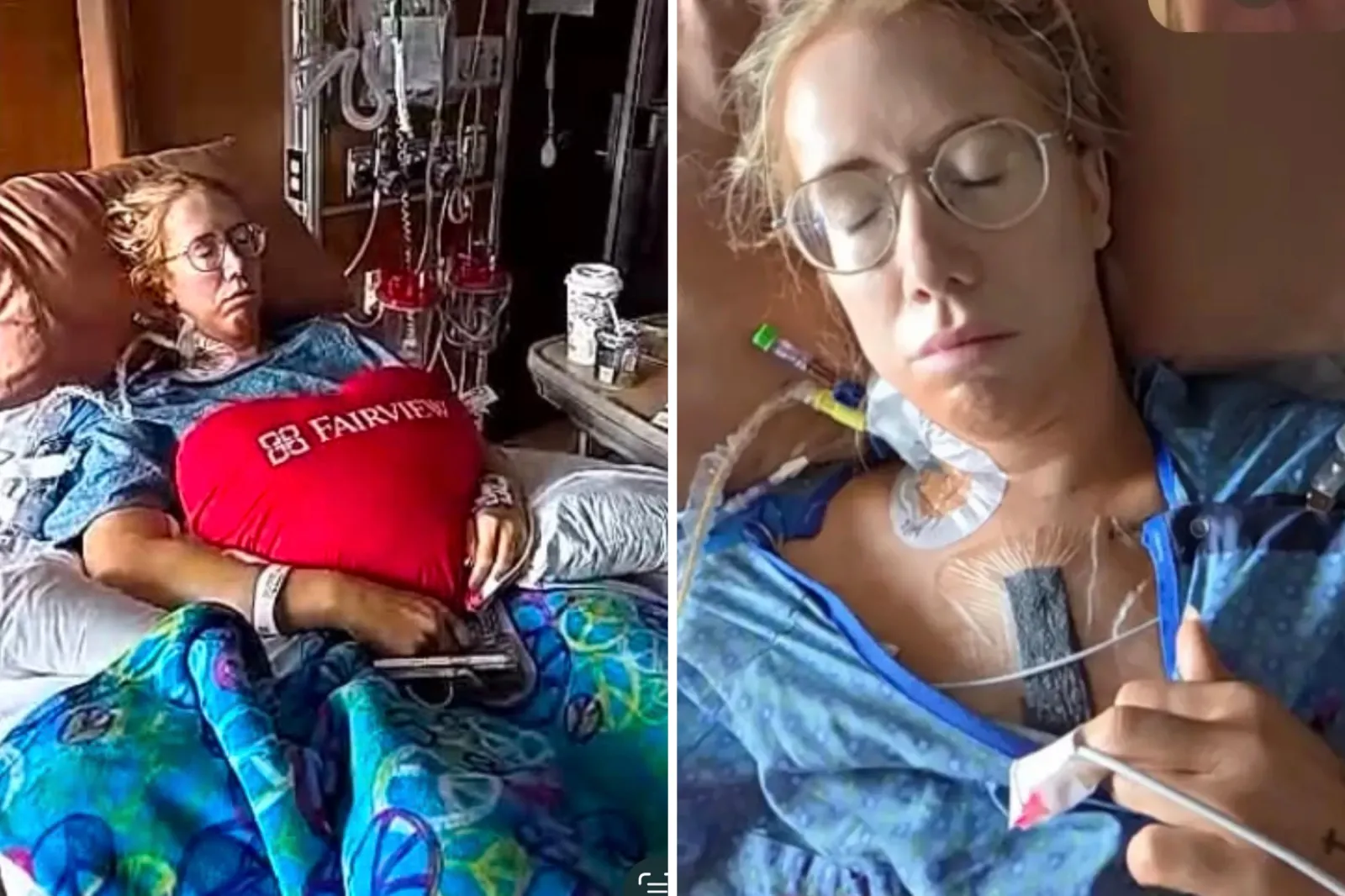
My dissection happened sometime between August 6 and August 17, but I had absolutely no symptoms, which makes the timing of my routine scans feel like a miracle. The tear was so significant that I had emergency surgery the following day. I underwent a Bentall procedure, which involved replacing my aortic valve with a mechanical valve and my ascending aorta was repaired with a graft.
The first few days after surgery were extremely difficult, but one moment that will always stay with me is waking up intubated. I was in an unfamiliar place with a tube down my throat. I could barely see anything and couldn't speak. I was in a lot of pain, had no idea how surgery went, or how long I had been sedated for. Had it been 12 hours or 12 days?
I was extubated shortly after waking up, but my dad was intubated for his entire hospital stay until he died. I can’t imagine how scared he must have been, how much pain he was in, and what it felt like to not know what was happening. It brings tears to my eyes, especially now that I know firsthand what he may have experienced.
...
‘My Dad Was Watching Over Me’
As I was diagnosed with Marfan syndrome, I was monitored regularly and that is ultimately what saved my life because my aortic dissection was caught before it became fatal.
We now know that my dad had Marfan syndrome, and if he had known, he too could have been monitored. He suffered an aortic dissection while grocery shopping, but frequent testing could have caught the problem before it occurred and potentially saved his life.
After my operation, my surgeon said I was very lucky and he believed I had someone watching over me. I can’t help but feel like it was my dad, especially knowing that he died from the very thing I survived.
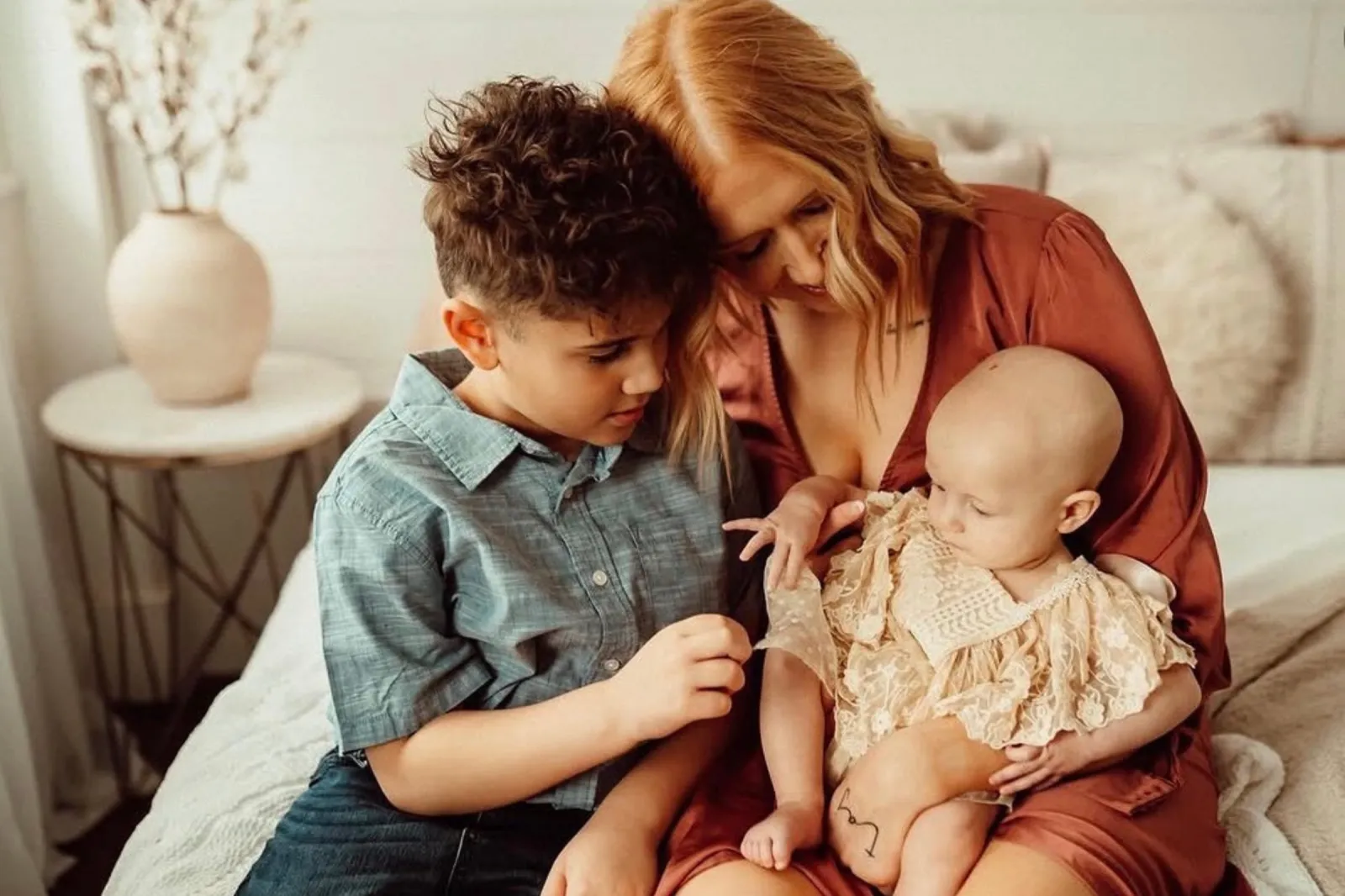
Now that we know Marfan syndrome has been in our family for generations, many of my relatives were able to get tested. My aunt has since learned that she has the condition, and my daughter has also tested positive, while my son was negative.
...
One of the difficult realities of Marfan syndrome and heart surgery is that my aorta isn’t simply fixed. My descending aorta is currently measuring within normal range, but things can change. That means routine imaging and monitoring will be something I’ll need for the rest of my life.
For now, I’m incredibly grateful to be here, to have caught the dissection in time, and to have been given another chance. Hopefully, this is something I never have to face again. And hopefully, my aorta stays stable for many years to come.
Contact Newsweek editors on this story: Sirena Bergman and Tony Phillips.
Ashley Veen, 35, is a cosmetologist who resides in Watertown, South Dakota with her two children, Taj, 10, and Harvey, 2. Following her diagnosis, she hopes to raise awareness for Marfan syndrome and the health complications associated with it. Although it was too late to save her dad’s life, she hopes her story could save many others.
View 0 Comments
Submit Correction
View Editorial & AI Guidelines