...

By Mandy Taheri
Reporter
0
Share
Newsweek is a Trust Project member
See more of our trusted coverage when you search.Prefer Newsweek on Googleto see more of our trusted coverage when you search.
The International Atomic Energy Agency (IAEA), the United Nations nuclear watchdog, said it had received no indication Israel’s nuclear facility near Dimona was damaged in Iranian strikes on Saturday.
Why It Matters
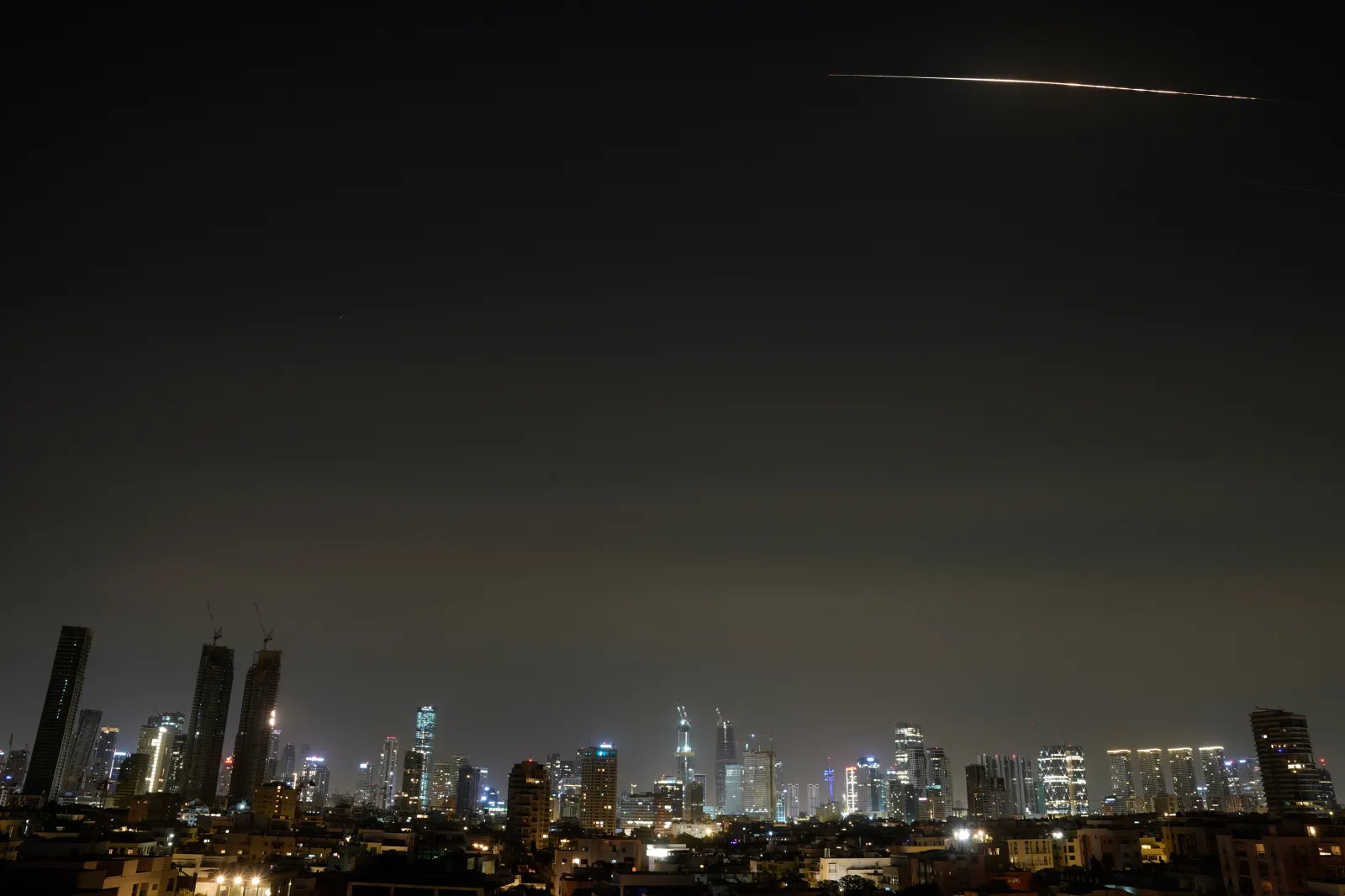
The U.S. and Israel launched a military campaign against Iran on February 28 and have continued strikes against the Islamic Republic. On Saturday, the Atomic Energy Organization of Iran said U.S. and Israel struck one of the country’s nuclear sites, Natanz, a site previously bombed last June. In retaliation, the Islamic Republic fired missiles to Dimona.
Read More on News
Dimona, a city of about 40,000 in southern Israel’s Negev Desert, is home to the country’s main nuclear research center, one of its most strategically sensitive sites. Concerns about Iran’s nuclear program and the safety of nuclear sites have been at the center of the war. In Israel, there are mounting concerns about the country's defense systems, including its Iron Dome, as an Iranian missile struck near one of the country's most strategic nuclear sites without being intercepted.
What To Know
The IAEA has been informed of both attacks, the organization said on its X page. Regarding the earlier strike on Natanz, the IAEA said, there is no reported "increase in off-site radiation levels," at this time. Following the U.S. strike on Natanz in June, the Trump administration said Iran's nuclear capabilities were "obliterated."
In a later post on Saturday, the IAEA said its aware of the Dimona strike, noting it "has not received any indication of damage to the nuclear research center Negev."
The Shimon Peres Negev Nuclear Research Center has been Israel's main nuclear facility for decades. Israel does not confirm or deny it has nuclear weapons.
"Information from regional States indicates that no abnormal radiation levels have been detected," the IAEA said, adding that Director Rafael Grossi maintains "maximum military restraint should be observed, in particular in the vicinity of nuclear facilities."
Israeli media reported dozens were injured in the strike, with reports still incoming. Iran, which had previously warned it could target Dimona if Israel continued attacking its nuclear sites, said on state television Saturday the attack was a "response" to the Natanz strike.
...
What People Are Saying
Israeli Prime Minister Benjamin Netanyahu’s office said in an X post: “Prime Minister Benjamin Netanyahu spoke this evening with Dimona Mayor Benny Biton and Rishon LeZion Mayor Raz Kinstlich. The Prime Minister praised the residents’ resilience and wished a speedy recovery to those who were wounded following the firing from Iran.”
Mohammad Bagher Ghalibaf, speaker of the Islamic Republic of Iran’s Parliament, said in Persian in an X post Saturday: “If the Israeli regime fails to intercept the missiles in the highly protected Dimona area, it is operationally a sign of entering a new phase of the battle: Israel's skies are defenseless. As a result, it seems the time has come to implement the next pre-designed plans. Happy Nowruz to the Iranian nation.”
Israel Foreign Ministry said in an X post: "The Iranian regime devastated Arad and Dimona by deliberately striking civilians with missiles. Over 100 people were injured, including children. A blatant war crime. Pure terrorism."
What Happens Next
The war’s future remains uncertain, with mixed signals from the Trump administration over whether fighting could end soon or continue for some time.
View 0 Comments
Submit Correction
View Editorial & AI Guidelines