...

By Anna Skinner
Associate News Editor
0
Share
Newsweek is a Trust Project member
See more of our trusted coverage when you search.Prefer Newsweek on Googleto see more of our trusted coverage when you search.
Travel could become "impossible" for anyone planning to travel to Hawaii's highest peaks later this week as freezing rain and snowfall will likely cause rangers to close the summit roads.
National Weather Service (NWS) meteorologists in Honolulu issued a winter storm watch early Tuesday morning for Hawaii's highest peaks, warning of freezing rain, ice accumulation, and snowfall that could make travel "very difficult to impossible." The winter weather comes as an upper low enhances moisture over the Big Island, bringing heavy rain that could cause flash flooding at lower elevations and freezing rain and snowfall at higher elevations.
Despite the winter storm watch, NWS meteorologist Maureen Ballard told Newsweek the biggest concern is flooding from increased rainfall at lower elevations. It is the third major storm in roughly as many weeks and is expected to develop northwest of the state and slowly track east, drawing deep tropical moisture over Hawaii. AccuWeather meteorologists say the setup is similar to recent Kona storms that triggered widespread flooding, evacuations and billions of dollars in damage across parts of the islands.
Read More on Weather
...
A flood watch has been issued at lower elevations ahead of the incoming storm, while the winter storm watch, which goes into effect on Wednesday morning and will remain in place through Friday afternoon, was issued for the Big Island summits above 12,500 feet.
"Freezing rain, significant ice accumulation and snowfall will all be possible," NWS Honolulu said in the winter storm watch. "Total snow accumulations up 3 inches and ice accumulation up to a quarter-inch possible. Winds could gust as high as 55 mph."
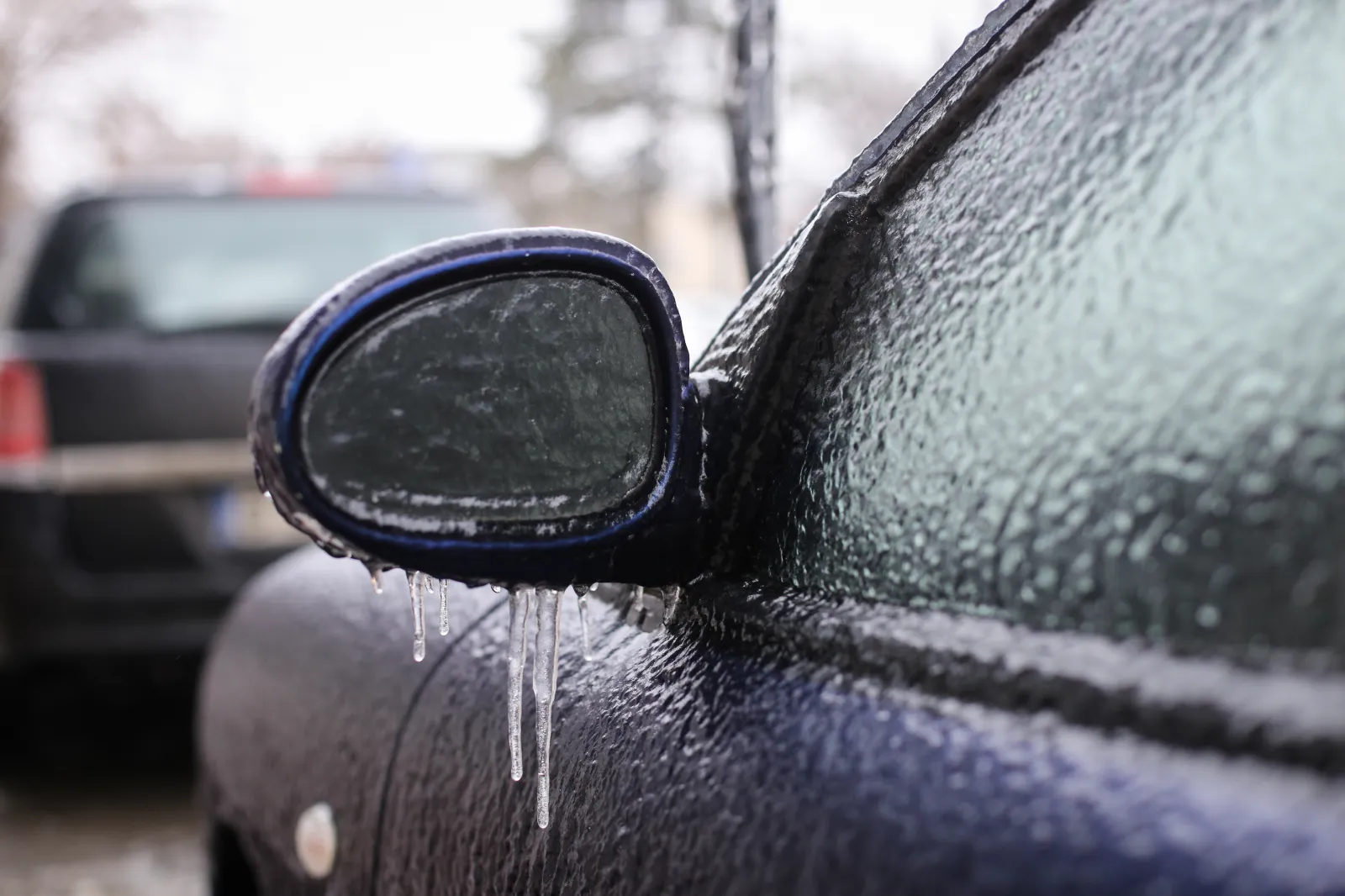
The alert went on to stress that ice and snow accumulation on roads "will make travel to the summits very difficult to impossible." Snowfall could accumulate on top of existing ice, creating even-slicker roads while also dropping visibility.
Ballard added that snow on the peaks of Mauna Kea and Mauna Loa might be visible to those at lower elevations.
How Rare Is Snow in Hawaii?
While Hawaii is best known for tropical weather, snow and ice are not uncommon at the highest elevations of Mauna Kea and Mauna Loa during strong upper-level disturbances. However, prolonged periods of freezing rain pose added risks, as ice can coat roadways, equipment and communication infrastructure.
The state continues to contend with the broader impacts of an active spring weather pattern. Earlier this week, more than 1 million residents statewide were urged to review emergency plans and consider maintaining food and water supplies as the incoming powerful storm system threatened heavy rain and flooding across the islands.
Meteorologists have said saturated ground from recent Kona storms could worsen runoff and flooding risks at lower elevations, while colder air associated with the same system supports wintry conditions at Hawaii’s summits.
The NWS advises anyone planning travel to the Big Island summits—including hikers, campers and tour operators—to monitor forecast updates closely and consider postponing trips until weather conditions improve.
Winter Storm Watch vs. Winter Storm Warning
A winter storm watch means conditions are favorable for a winter storm, but its exact track, timing, or intensity is still uncertain. Watches are typically issued 24 to 48 hours in advance when forecasters believe heavy snow, sleet, or ice is possible.
A winter storm warning, by contrast, means a storm is imminent or already occurring and confidence is high that hazardous winter weather will impact the area. Warnings are usually issued within 24 hours of the event and signal that dangerous travel conditions and disruptions are expected, prompting residents to take immediate precautions and avoid unnecessary travel.
View 0 Comments
Submit Correction
View Editorial & AI Guidelines