...

By Kevin Powell
Writer
0
Share
Newsweek is a Trust Project member
See more of our trusted coverage when you search.Prefer Newsweek on Googleto see more of our trusted coverage when you search.
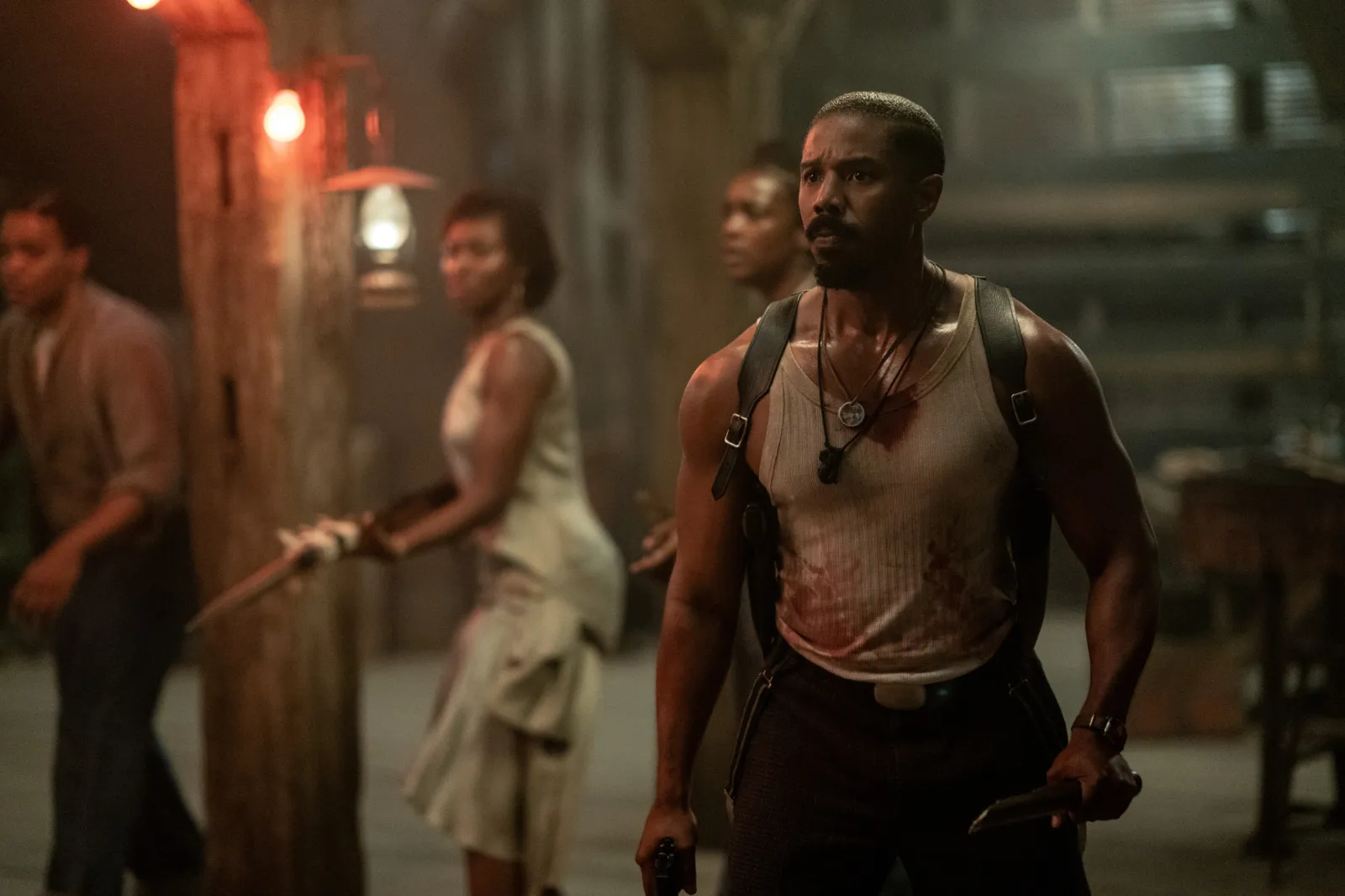
I have loved movies of all kinds since I was a child. I know the difference between a great film and a good film, the gaps between a timeless landmark and something that is simply of the now. When Sinners was nominated for a record-breaking 16 Academy Awards out of a possible 17, I was overcome with emotions. That is because I know the long sojourn of Black-centered films in the American cinematic saga, and I also know the gut-churning racism of Black character depictions in most movies not made by us.
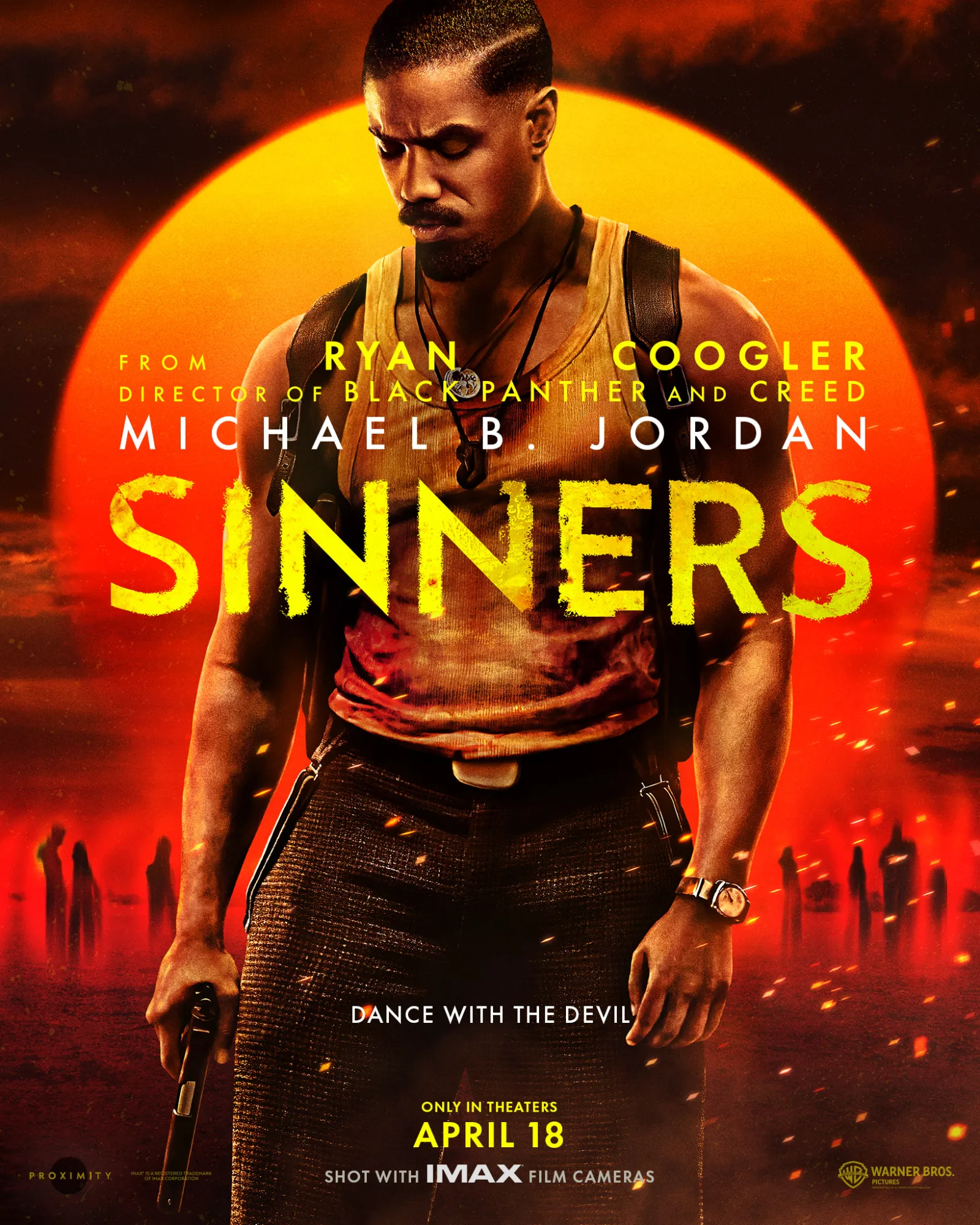
So, I went into my annual viewing of the Oscars with muted expectations. I, we, have been deeply disappointed so many times before. Yet I held out hope because Sinners, which my wife and I saw three times, is truly a groundbreaking work of art. Sinners is for movies what, say, Stevie Wonder’s Songs in the Key of Life is for music: a once-in-countless-generations classic that transcends people and time and space and universes. Indeed, Sinners is a film that explores, brilliantly and in unparalleled ways, race and identity in America through the lens of the horror genre; through the use of the blues, through a rainbow coalition of Black, White, Indigenous, Asian, Irish, and Jewish personas unlike anything, frankly, we’ve ever seen in all of filmmaking.
But in this era of President Donald J. Trump, and some of the most obscene divisions we’ve ever endured in America—and certainly unlike anything I have ever witnessed on this grand of scale in my lifetime—I believe, deep in my bones, the level of hatred and ignorance out here not only undermined what should have been a record-breaking victory lap for Sinners but also turned, instead, into a coronation of an equally controversial but very different film, Paul Thomas Anderson’s One Battle After Another.
Read More on Opinion
For sure, I am a huge fan of both Anderson and Ryan Coogler, Sinners’ director and writer, and also producer, along with his wife, Zinzi. When my wife and I were done watching One Battle After Another in a theater, we were mentally and physically spent by what we had digested. And I immediately said to my wife the presence of this film, while not one of Anderson’s masterpieces—to me that would be There Will Be Blood or Magnolia—its presence in the chaos of our times as a chaotic movie about a chaotic cast of personalities on both sides of the American divide would mean Sinners would be competing with Trump’s America, given Coogler’s magnum opus is a period piece set in the 1930s.
...
Moreover, if we are honest, Hollywood has always had a hard time acknowledging Black films by Black creatives that center Black characters in ways that present us as the whole human beings we are, while also unapologetically examining the American racism of any era. Think Spike Lee’s Do The Right Thing, think the body of work of Black auteurs like Julie Dash or Charles Burnett. While a genuine effort to try to make sense of the madness of oppression and alienation, One Battle After Another still landed, with very uncomfortable bumps, into some very stereotypical tropes about race, about Black women and sexuality, even about the mythologies of Black activism.
Sinners, meanwhile, is about empowerment and freedom in the face of savage resistance. It is not simply about the moments we call Jim Crow, it is very much about now, too. And it is a love letter to a very battered and bruised Black America and, by extension, America, in the form of parables about vampires and a juke joint. Yes, Sinners is about ownership: ownership of a culture, ownership of property, ownership of the soul, ownership of self. Sinners is actually the very film America did not know it needed, and there are those who are still either refusing to see it, or believe it is far overrated. It is not.
But when one has been conditioned, often through American movies and popular culture at large, to mostly or only see the world through the White gaze, no matter your race or identity, Sinners is not going to be a movie you will want to absorb. Because Sinners demands a kind of emotional labor and reparations we still refuse to grapple with here in America. In this time of Trump, that refusal is on high alert. One Battle After Another worked for many, no matter your race or identity, because as revolutionary as it may appear to be on the surface, it still resorted to the old pathologies of White male saviors, of oversexualized Black characters, of centering Whiteness, even in a tale ostensibly about a Black woman activist trying to change the world.
What Sinners is, in reality, is the mirror we do not realize we need, as a cleansing and antidote to Trumpism. But because of this Trump era, I believe the Academy Awards went with the quick and easy path, by supporting One Battle After Another, instead of Sinners, for Best Picture, for Best Director, and many other awards it should have gotten on Oscar night. One Battle After Another makes us feel good and righteous in the moment. Sinners demands we venture to the dark corners that quite a number of us often refuse to see, to truly see ourselves.
Alas, in honoring Sinners the Academy could have done something it has never done in its nearly 100-year-old history: highlight a film in major way that shifts, once and for all, the narrative of how we discuss race in America. Bravo for the Oscars Michael B. Jordan received for Best Actor and Coogler for Best Original Screenplay. I mean that, sincerely, as I, we, need those sorts of emotional victories given the dearth of opportunities for Black creatives in Hollywood. But the Academy, in my mind, allowed the times we are in to blind it from seeing beyond the usual stories and portrayals and, as a result, dropped the ball badly yet again.
Kevin Powell is a GRAMMY-nominated poet, humanitarian, filmmaker, public speaker, frequent contributor to Newsweek, and author of 17 books, including his newest poetry collection, A Poem for Evangeline, And Other Songs (Get Fresh Books Publishing). Kevin lives in New York City. You can find him on social media platforms by typing poet kevin powell.
The views expressed in this article are the writer's own.
View 0 Comments
Submit Correction
View Editorial & AI Guidelines