10
Loading video...

By Daniella Gray
Reporter
0
Share
Newsweek is a Trust Project member
See more of our trusted coverage when you search.Prefer Newsweek on Googleto see more of our trusted coverage when you search.
Raising healthy children can come with no shortage of guidance, leaving many parents wondering which habits matter most.
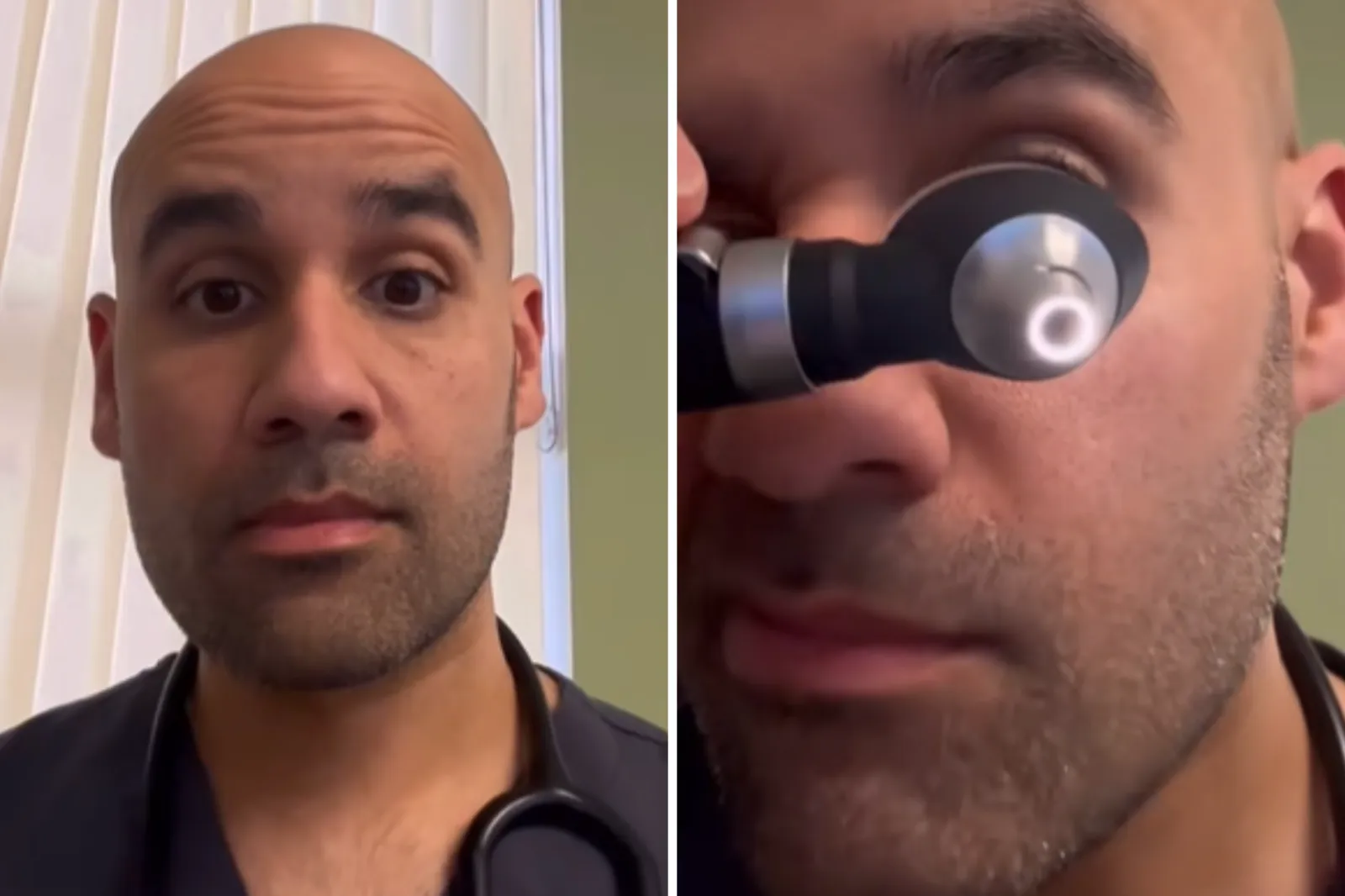
As a father of two and general practitioner based in London, Dr. Arshad Rizvi spends much of his day helping families navigate children's health. That experience has left him with a handful of firm rules he follows at home.
Known as @thelondongp on social media, the 42-year-old shared a clip on TikTok, outlining five things he would never let his own children do.
Read More on Family & Parenting
...
His list ranged from avoiding constant snacking to making sure children get enough sleep and spend time outside.
"Some of the advice in the video may seem obvious, but parents often appreciate understanding why something is recommended rather than simply being told what to do," Rizvi told Newsweek. "The aim was to explain the medical reasoning behind some simple everyday habits that can make a real difference to a child’s health."
Among the habits he highlighted was the regular consumption of sugary drinks. While the occasional fizzy drink isn't a cause for alarm, he warned against making them part of a child's daily routine.
A 2018 review, published in BMC Obesity, concluded that sugar-sweetened drinks are consistently linked to weight gain and obesity in children and adolescents, and may also contribute to dental decay and other long-term health problems.
Another major concern is excessive screen use, particularly before bed. According to Rizvi, sleep is one of the most powerful health tools available to children, yet it is increasingly sacrificed for devices.
"Screen time can sometimes feel like a constant battle, but as parents we set the example," he said. "Establishing healthy habits early makes them much easier to maintain as children grow up."
Rizvi said he regularly sees the consequences of poor sleep in his work as a GP, including problems with concentration, reduced physical activity and impacts on children's developing brains.
The doctor also encouraged families to spend time outdoors. In his video, he warned that too little outdoor time may contribute to lower vitamin D levels, poorer mental health, worsening short-sightedness and reduced physical fitness.
For Rizvi, getting outside is as much about family connection as physical health.
"My children [8 and 4] love being outside whatever the weather," he said. "Whether we’re building an insect hotel, gardening, scootering, riding bikes, climbing hills or simply jumping in puddles like Peppa Pig, there’s always something to enjoy."
The list also included making space for conversations about mental health. To have open discussions with his kids, Rizvi looks for organic ways to talk about feelings during everyday life.
"Going for a walk together is often one of the best times," he said. "Children can sometimes find it easier to open up when they’re doing something else rather than sitting down for a formal conversation."
Above all, Rizvi believes that small daily habits can equal big, long-term health impact. The principle, he said, is about consistency rather than perfection.
"Trying to change everything overnight rarely works," he said. "Instead, focus on one or two small, achievable habits. Once they become part of your routine, they no longer feel like a chore. They simply become normal."
Contact Newsweek editors on this story: Charlotte Nisbet and Emma Lee-Sang
View 0 Comments
Submit Correction
View Editorial & AI Guidelines