...

By Amira El-Fekki
Middle East News Reporter
0
Share
Newsweek is a Trust Project member
See more of our trusted coverage when you search.Prefer Newsweek on Googleto see more of our trusted coverage when you search.
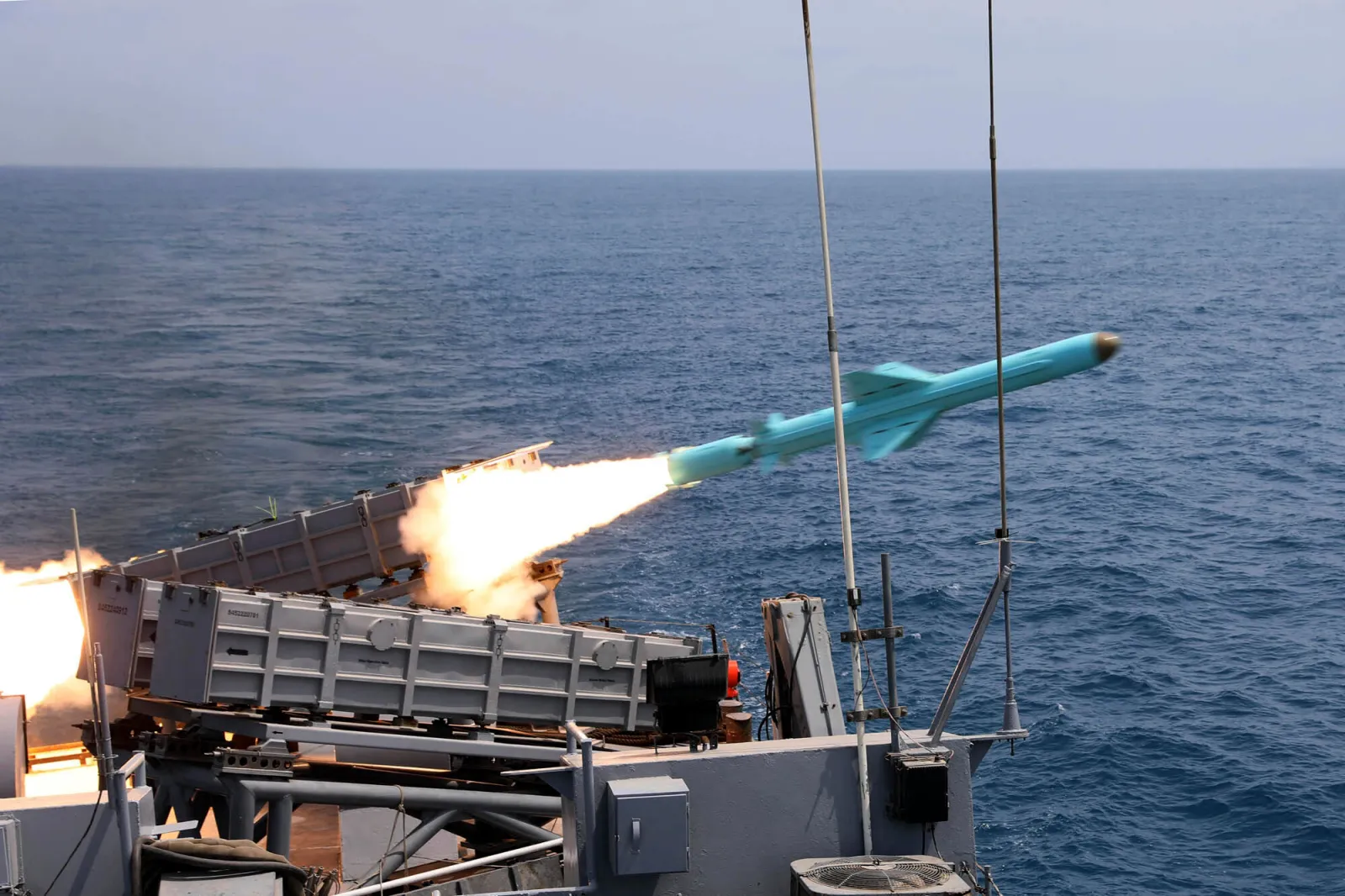
Iran's armed forces have been placed at the highest level of readiness, with hundreds of Islamic Revolutionary Guard Corps (IRGC) and regular army units on full alert in response to perceived threats from the United States and Israel, state media reported.
Why It Matters
The alert is part of a broader deterrence posture, with Iran warning that any hostile action would be met with a firm and proportionate response. Widespread anti-government protests triggered by a severe economic downturn and the sharp depreciation of the rial have swept the country for a second week.
Read More on World
U.S. President Donald Trump has warned Tehran that it would be "hit very hard" if Iranian security forces killed more protesters, signaling the U.S.'s willingness to intervene amid the unrest. Washington has also publicly backed Israeli Prime Minister Benjamin Netanyahu's threats of renewing attacks targeting Iran's nuclear and missile programs.
...
What To Know
Brigadier General Morteza Ghorbani, a senior adviser to the IRGC's commander in chief, has said 400 units from the IRGC and the army are prepared to respond decisively to any aggression, and that the army, IRGC and law-enforcement forces stand with their "hands on the trigger."
Rear Admiral Habibollah Sayyari, the coordinating deputy of the Iranian army’s joint staff, said on Tuesday that Iran's armed forces remained at a high level of operational readiness, strengthened by advanced training and modern equipment.
Since the June conflict involving Israel and the United States, which escalated tensions between Iran and Western powers and stalled nuclear talks, Iran has faced mounting sanctions and economic pressure. The government estimates that the prices of basic goods in the Islamic Republic will rise by 20 to 30 percent in the coming weeks.
Iran has been rebuilding its missile capabilities since the June conflict, with U.S. and Israeli officials warning that Tehran may seek to restore long‑range missile production—a move Trump says could prompt new strikes.
Demonstrations have spread to dozens of cities. Rights groups have reported that protesters are chanting slogans critical of the government and Supreme Leader Ayatollah Ali Khamenei, while security forces have used tear gas and made mass arrests. More than 20 people have been killed in clashes, and hundreds have been detained as unrest persists, according to human rights groups.
Khamenei accused protesters of destabilizing the country's security, saying on Saturday that "rioters must be put in their place."
"We must recognize the enemy's tactics," he said, adding: "They saw this as an opportunity and sought to exploit it. Of course, our officials were working and ready, and they will continue to be."
Iran's supreme leader is backed by a complex system of religious, military and political institutions. Leadership change in Iran is widely viewed as difficult and unlikely in the near term despite the destabilizing protests. However, amid escalating tensions, reports surfaced that Khamenei has prepared an emergency escape plan to flee to Moscow if needed.
What People Are Saying
Brigadier General Morteza Ghorbani, a senior adviser to the Islamic Revolutionary Guard Corps' commander in chief, said on Tuesday, according to the Mehr News Agency: "They are ready. If any aggression occurs, they will level it [Israel] to the ground."
Israeli opposition leader Yair Lapid wrote on X on Saturday, in Hebrew: "I recommend that Iran's leaders look at what is happening in Venezuela."
What Happens Next
The dramatic U.S. capture of Venezuelan President Nicolás Maduro has heightened Iranian anxieties about Washington's willingness to use military force in sovereign states, feeding concerns in Tehran that similar pressure could one day be directed at Iran's leadership.
The news cycle is loud. Algorithms push us to extremes. In the middle—where facts, ideas and progress live—there's a void. At Newsweek, we fill it with fearless, fair and fiercely independent journalism.
Common ground isn't just possible—it's essential. Our readers reflect America's diversity, united by a desire for thoughtful, unbiased news. Independent ratings confirm our approach: NewsGuard gives us 100/100 for reliability, and AllSides places us firmly in the political center.
In a polarized era, the center is dismissed as bland. Ours is different: The Courageous Center—it's not "both sides," it's sharp, challenging and alive with ideas. We follow facts, not factions. If that sounds like the kind of journalism you want to see thrive, we need you.
When you become a Newsweek Member, you support a mission to keep the center strong and vibrant. Members enjoy:
Help keep the center courageous. Join today.


View 0 Comments
Submit Correction
View Editorial & AI Guidelines