...

By Gabe Whisnant
News Editor
0
Share
Newsweek is a Trust Project member
See more of our trusted coverage when you search.Prefer Newsweek on Googleto see more of our trusted coverage when you search.
Iran’s Supreme National Security Council said Tuesday that it has accepted a two-week ceasefire in the war, signaling a conditional pause after U.S. President Donald Trump pulled back from threats to expand strikes to bridges, power plants and other infrastucture targets.
The council said Iran would enter negotiations with the United States in Islamabad beginning Friday, while emphasizing that the ceasefire “does not signify the termination of the war.”
“Our hands remain upon the trigger, and should the slightest error be committed by the enemy, it shall be met with full force," the statement said.
Read More on World
The announcement came in the final stretch of a self-imposed deadline Trump set for Tehran to meet U.S. terms or face what he had described as devastating escalation. Israel is part of the two‑week ceasefire announced by Trump and will halt strikes on Iran while diplomatic negotiations take place, according to two White House officials cited by Reuters.
...
Donald Trump's Ceasefire Announcement: What to Know
Trump said late Tuesday that he would suspend the threatened attacks for two weeks if Iran agreed to a ceasefire and to the “COMPLETE, IMMEDIATE, and SAFE OPENING of the Strait of Hormuz,” the critical shipping lane that carries a large share of the world’s oil during peacetime.
The president said the pause followed conversations with Pakistan’s Prime Minister Shehbaz Sharif and Gen. Asim Munir, Pakistan’s army chief, after Sharif publicly urged a two-week extension to allow diplomacy to advance and pressed Iran to open the strait for the same period.
Iran’s 10‑Point Plan Envisions 'Regulated Passage'
Iran’s explanation of its broader 10‑point negotiating proposal suggests an even more restrictive long‑term vision for the Strait of Hormuz, the narrow waterway linking the Persian Gulf to the open sea and a critical artery for global energy supplies.
According to Iranian officials, the strait would be subject to “regulated passage … under the coordination of the Armed Forces of Iran,” a framework Tehran says would grant it “a unique economic and geopolitical standing.” The proposal also calls for full sanctions relief as part of any agreement.
Such terms would mark an extraordinary shift in regional security arrangements—effectively formalizing Iranian oversight of one of the world’s most important energy choke points—and would represent a dramatic concession by the United States after nearly five decades of hostility following the 1979 Islamic Revolution.
Whether Washington is willing to accept any model that places long‑term control of Hormuz transit in Iranian hands remains unclear. U.S. officials have long insisted that free navigation through the strait is a core national interest, not a bargaining chip.
For now, Iran’s statements suggest a tactical pause rather than a permanent settlement: limited access, defined on its terms, while talks proceed—and the broader war remains unresolved.
Iran Signals Limited Strait of Hormuz Access—With Caveats
Iran has also stopped short of guaranteeing a full reopening of the Strait of Hormuz.
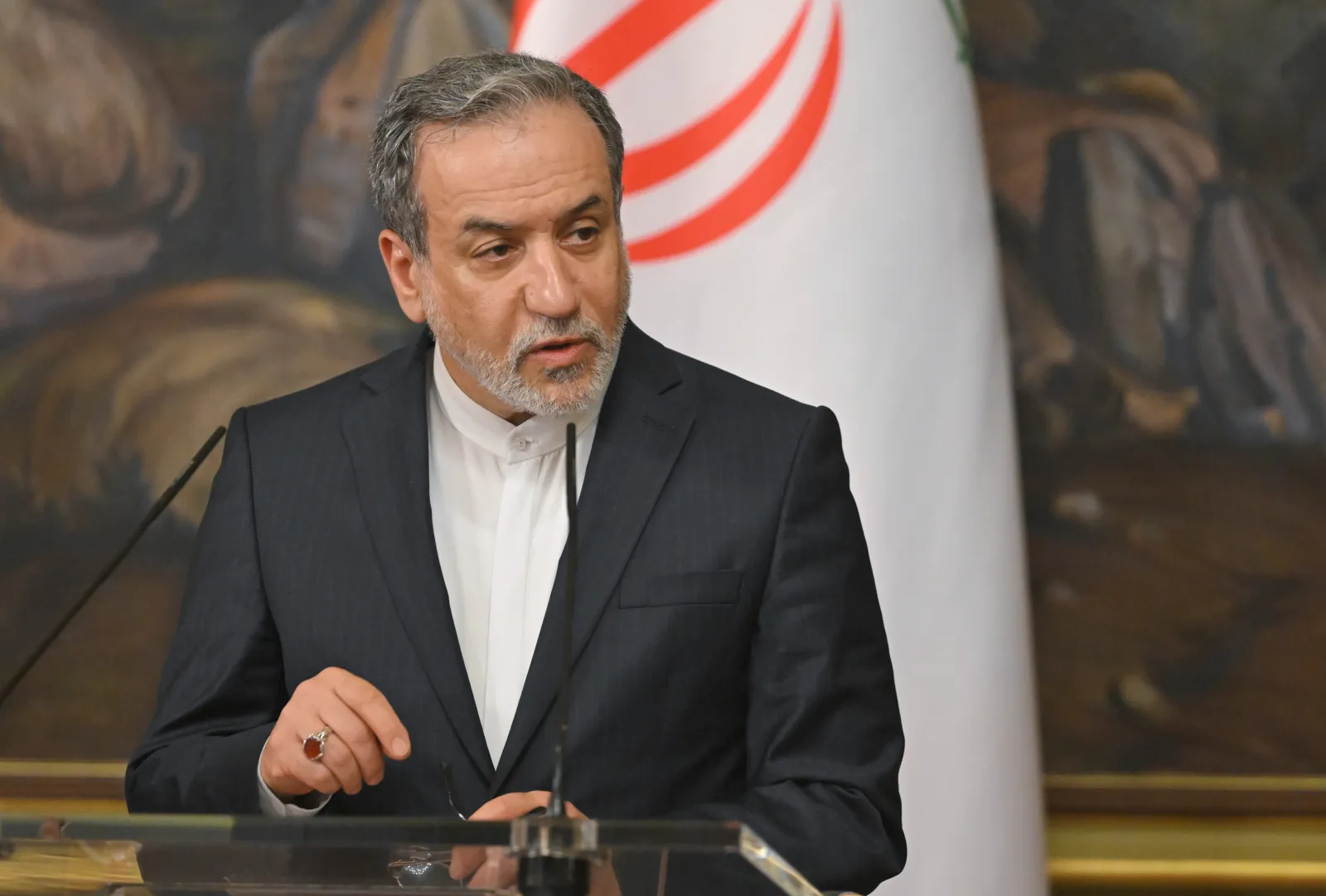
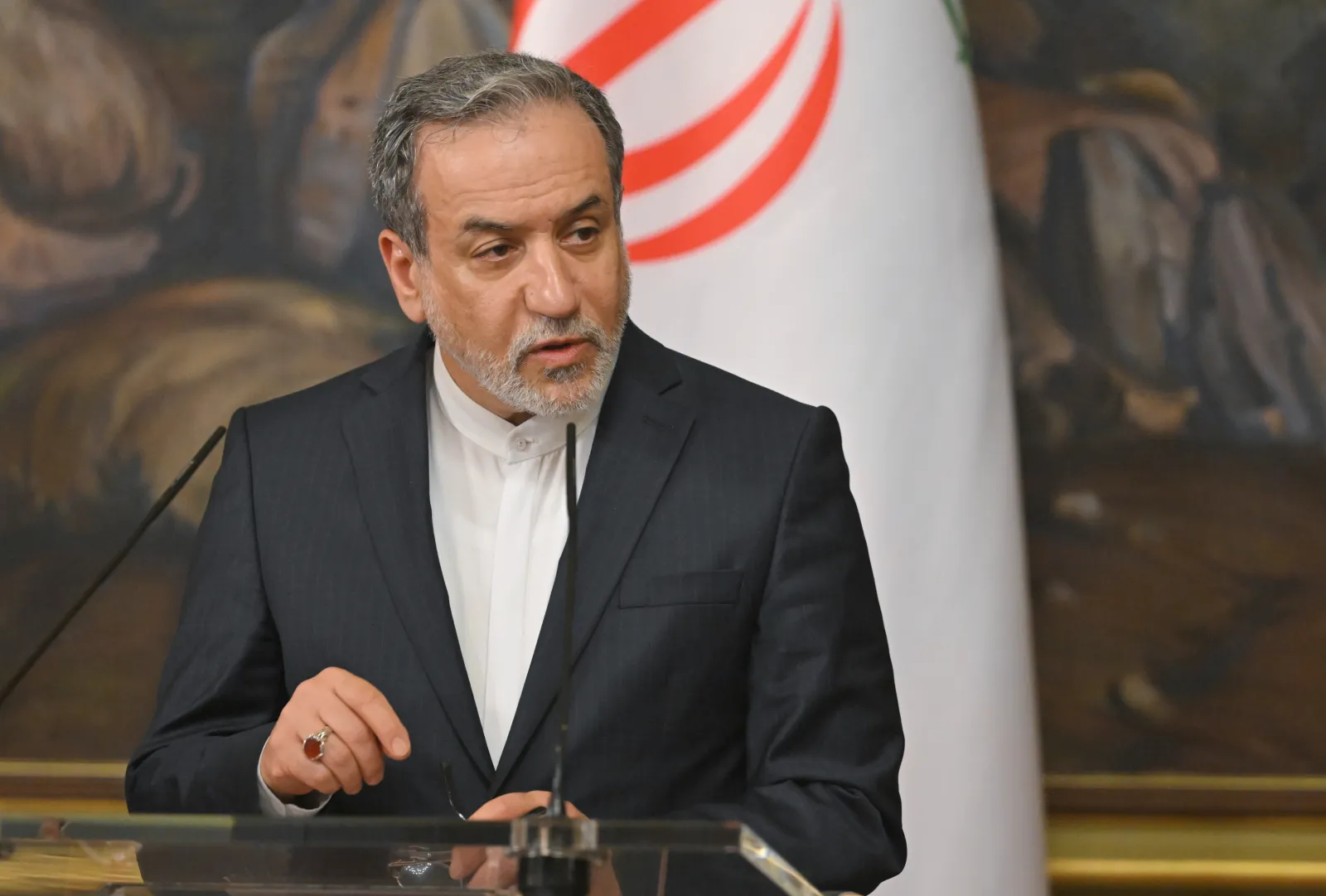
Iranian Foreign Minister Seyed Abbas Araghchi said ships would be allowed to pass through the strait over the next two weeks, but only under coordination with Iran’s armed forces and with what he called “technical limitations.”
“For a period of two weeks, safe passage through the Strait of Hormuz will be possible via coordination with Iran’s Armed Forces and with due consideration of technical limitations,” Araghchi said.
Before the war, more than 100 ships a day routinely transited the strait under a decades‑old traffic separation system managed jointly by Iran and Oman. There were no publicly acknowledged “technical limitations,” and shipping generally flowed uninterrupted.
It remains unclear whether Iran intends to fully loosen its grip on the waterway or merely allow selective, monitored passage during the ceasefire window.

...
Iran Calls for US Troops 'Withdrawal' From Middle East
One unresolved point in Iran’s messaging around the proposed ceasefire is its reference to the “withdrawal of United States combat forces from all bases and points of deployment within the region.”
The United States has maintained an extensive military footprint across the Persian Gulf for decades, expanding after the 1991 Gulf War and serving as the primary security guarantor for energy‑rich Gulf Arab states. Those bases host a mix of air, naval and ground forces used to deter regional threats and protect key shipping lanes.
Iran has not defined what it considers “combat forces,” leaving open the possibility that some U.S. personnel—including advisers, logistics units or naval forces—could remain while others are reduced. That ambiguity gives Tehran potential room to claim progress without demanding a full U.S. military exit.
Still, any visible step‑down in U.S. troop levels would likely alarm Gulf Arab monarchies, many of which have endured weeks of missile and drone attacks during the war and rely on the American presence as a security backstop.
Updates: 4/7/26, 8 p.m. ET and 4/8/26 6:58 a.m. ET: This article was updated with new information and remarks.
This article includes reporting by the Associated Press.
View 0 Comments
Submit Correction
View Editorial & AI Guidelines