...

By Amir Daftari
News Reporter
0
Share
Newsweek is a Trust Project member
See more of our trusted coverage when you search.Prefer Newsweek on Googleto see more of our trusted coverage when you search.
Iran issued a warning to world powers as the United Nations Security Council prepared to vote Friday on whether to permanently lift sanctions, pushing back against threats to snap back punitive measures over its nuclear program.
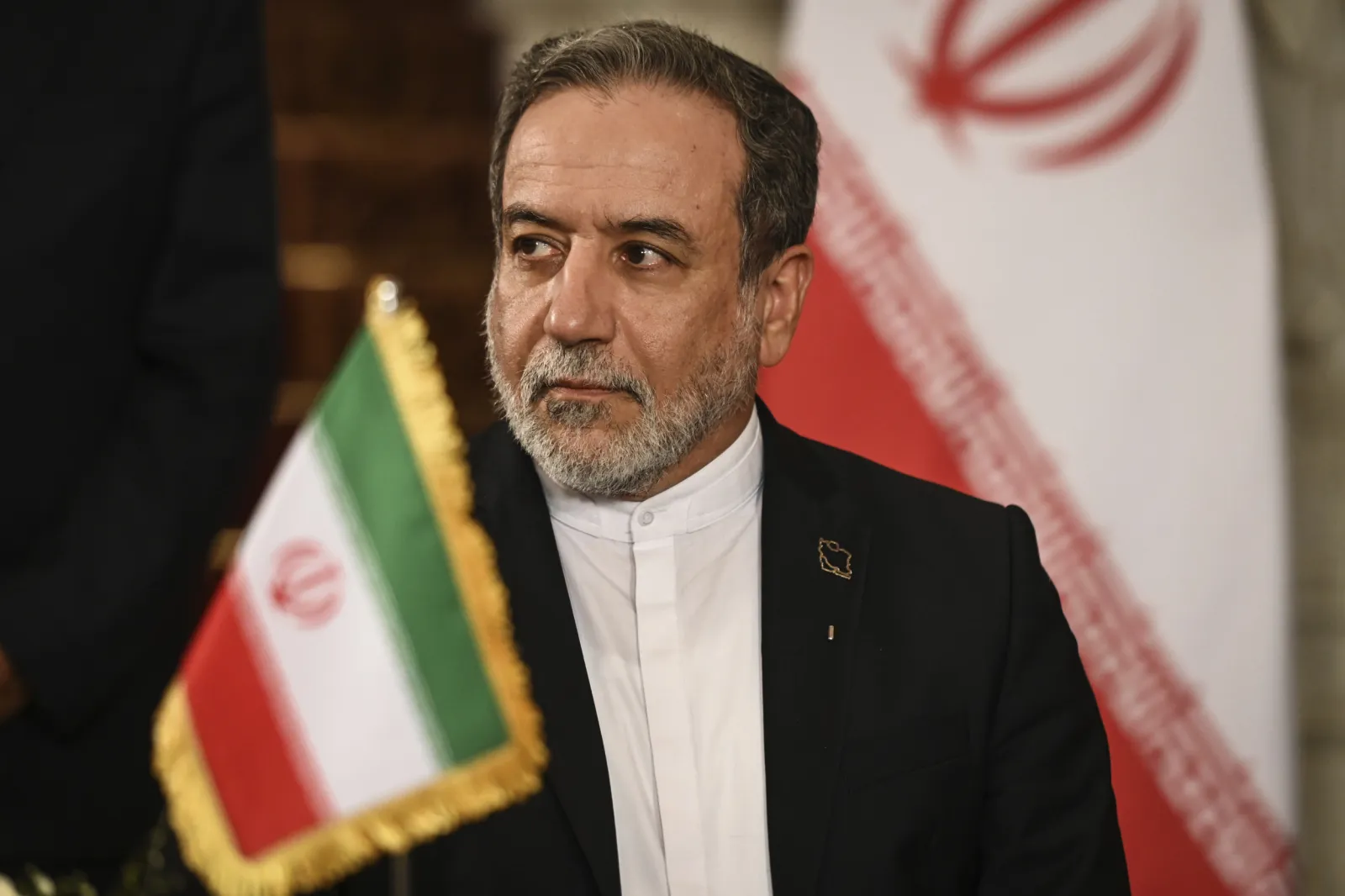
Foreign Minister Abbas Araghchi cautioned that Tehran had put forward a viable plan and told world leaders to "Choose diplomacy over confrontation. The stakes could not be higher."
Newsweek reached out to Iran's Permanent Mission to the U.N. for comment.
Read More
Iran Reacts to Rubio’s Nuclear Missiles Comments4 min read

Iran Threatens US With ‘Crushing’ Response3 min read

Flight Tracker Shows US Aircraft Carrier Sailing Near Iran3 min read

Why It Matters
The dispute highlights the limited progress made since the collapse of the 2015 nuclear agreement. World powers are pressing Iran to comply with inspection requirements, while Tehran argues that its proposals are being dismissed for political reasons.
The U.N. resolution is widely seen as symbolic. Diplomats predict it will not achieve the nine votes needed for passage and that the United States, Britain, or France will veto the measure if it somehow advances. The standoff signals deep divisions within the international community over how to address Iran's nuclear ambitions.
...
What to Know
In a post on X, Araghchi said Iran had presented a "reasonable and actionable plan" that meets its international obligations under the Non-Proliferation Treaty. His warning to "choose diplomacy over confrontation" reflected Tehran's frustration with what it sees as efforts by world powers to weaponize the "snapback mechanism" embedded in the nuclear accord rather than negotiate in good faith.
Threat of Sanctions
Britain, France, and Germany, with support from the U.S., triggered a 30-day process in late August to reinstate international sanctions unless Iran restored access for U.N. inspectors and committed to talks with Washington.
World powers offered to delay sanctions for six months if Tehran complied, but French President Emmanuel Macron said they are now inevitable, telling Israel's Channel 12, "Yes. I think so because the latest news from the Iranians is not serious."
Tehran Pushes Back
Iran's Deputy Foreign Minister Saeed Khatibzadeh dismissed the process as a misuse of the 2015 Joint Comprehensive Plan of Action (JCPOA), calling the approach "politically biased and politically motivated." Tehran maintains that it has advanced fair proposals to resolve the standoff and insists it remains committed to its treaty obligations.

...
The Nuclear Deal's Collapse
The JCPOA, reached between Iran, the U.S., China, Russia, and the European Union, offered sanctions relief in exchange for strict limits on Tehran's nuclear program. The agreement fell apart in 2018 after U.S. President Donald Trump withdrew and reimposed unilateral sanctions. Since then, repeated attempts to restore the deal have failed, deepening mistrust between Tehran and Western capitals.
Rising Tensions in the Region
The nuclear standoff has been compounded by military conflict. Earlier this summer, Israel launched a 12-day campaign targeting Iranian nuclear facilities with U.S. backing.
German Chancellor Friedrich Merz inflamed the situation by remarking, "This is dirty work that Israel is doing for all of us," drawing strong condemnation from Tehran. Iran has also rejected accusations from the International Atomic Energy Agency of noncompliance and continues to deny it is seeking nuclear weapons.
What People Are Saying
Iran's Foreign Minister Abbas Araghchi, on X: "Choose diplomacy over confrontation. The stakes could not be higher."
Iran's Deputy Foreign Minister Saeed Khatibzadeh told reporters in Geneva: "What Europeans are doing is politically biased and politically motivated...They are wrong on different levels by trying to misuse the mechanism embedded in the Joint Comprehensive Plan of Action."
German Chancellor Friedrich Merz told reporters at June's G7 summit in Canada: "This is dirty work that Israel is doing for all of us."
What Happens Next
The Security Council is expected to vote on Friday, but the measure is unlikely to succeed and faces certain vetoes, leaving the standoff between Tehran and world powers unresolved.
View 0 Comments
Submit Correction
View Editorial & AI Guidelines