...

By Mandy Taheri
Reporter
0
Share
Newsweek is a Trust Project member
See more of our trusted coverage when you search.Prefer Newsweek on Googleto see more of our trusted coverage when you search.
The head of Iran’s parliamentary National Security Commission warned in a social media post on Saturday that Ukraine could become a “legitimate target” for Iran after accusing the Eastern European nation of providing Israel "drone support."
Newsweek has reached out to Ukraine's foreign ministry for comment via email on Saturday.
Why It Matters
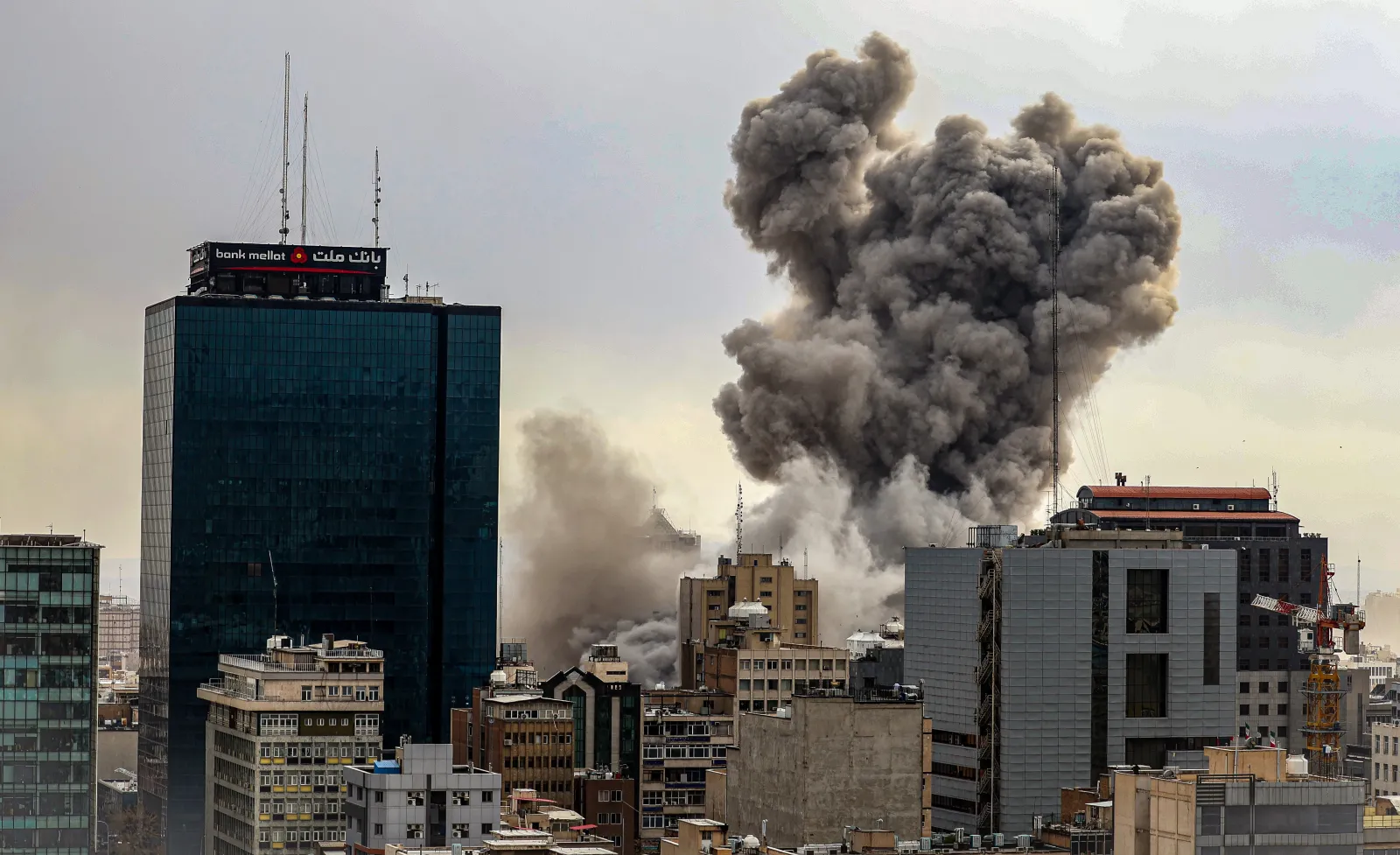
The U.S. and Israel launched coordinated strikes on Iran on February 28, which notably killed the country’s longtime Supreme Leader, Ayatollah Ali Khamenei. Since then, Israel and U.S. forces have carried out sustained bombardments across the country, including strikes on military facilities, as well as energy and civilian infrastructure.
Read More on News
CNN estimates at least 3,000 people have been killed across the region since the war began, and the United Nations (U.N.) refugee agency says more than 3.2 million people have been displaced inside Iran. The war has expanded beyond Iran, with Iran hitting Gulf states and Israel striking Lebanon.
The Iranian lawmaker said Ukraine’s "drone support" to Israel constitutes participation in the conflict and could make it a lawful target for Iranian strikes, citing Article 51 of the U.N. Charter, which recognizes the right to individual or collective self-defense following an armed attack on a U.N. member state. Iran is a close ally of Russia, which launched its full-scale invasion of Ukraine in February 2022.
What To Know
“By providing drone support to the Israeli regime, failed Ukraine has effectively become involved in the War and, under Article 51 of the United Nations Charter, has turned its entire territory into a legitimate target for Iran,” Ebrahim Azizi wrote in a Saturday X post.
He did not specify any details of Ukraine's alleged drone support to Israel.
Ukrainian President Volodymyr Zelensky has said nearly a dozen countries have requested Kyiv’s help to counter Shahed-type drones amid the Iran war and Iran’s strikes at neighboring countries.
Earlier this month, Ukraine sent military personnel and drone specialists to the Gulf region to help defend against Iranian drone and missile strikes, including interceptor drones and a team of drone experts to help protect U.S. military bases in Jordan, the Ukrainian president told The New York Times.
Zelensky said Kyiv would provide expertise and systems without weakening Ukraine’s own defenses, according to his social media statements and interviews cited by reputable outlets.
Ukraine’s years-long fight against Russian-operated, Iranian-designed Shahed drones in its war has yielded a body of experience in detecting, defeating, and adapting to loitering munitions at scale, according to the U.S.-based think tank Institute for the Study of War (ISW), which said Ukrainian know-how and industry are directly relevant to U.S. and allied defenses.
...
What People Are Saying
Ukrainian President Volodymyr Zelensky said in a post on social media on Tuesday: "Our team–including military personnel and Rustem Umerov – is now on its way to the Gulf region, where they can help protect lives and stabilize the situation. We see the challenges that exist now due to strikes from Iran, due to this entire war, which could drag on. The Iranian regime has effectively blocked the Strait of Hormuz–one of the main routes for supplying oil and gas to the global market. This is a major source of instability. No one in the world can yet say how long all of this will last, but it is important that the protection of life starts working effectively as soon as possible. Stability is important for us as well."
President Donald Trump, responding to a question about Ukraine’s offer, as reported by the BBC on March 5: “I’ll take any assistance from any country.”
What Happens Next
It is unclear how long the Iran war will last. During a phone interview aired Friday on Fox Radio’s The Brian Kilmeade Show, Trump said that U.S. military operations in Iran will cease “when I feel it…feel it in my bones.” Moments earlier, he suggested the fighting may not continue much longer, saying, “I don’t think it’s going to be long when it’s over.”
In a polarized era, the center is dismissed as bland. At Newsweek, ours is different: The Courageous Center—it's not "both sides," it's sharp, challenging and alive with ideas. We follow facts, not factions. If that sounds like the kind of journalism you want to see thrive, we need you.
When you become a Newsweek Member, you support a mission to keep the center strong and vibrant. Members enjoy: Ad-free browsing, exclusive content and editor conversations. Help keep the center courageous. Join today.


View 0 Comments
Submit Correction
View Editorial & AI Guidelines