...

By Mandy Taheri
Reporter
0
Share
Newsweek is a Trust Project member
See more of our trusted coverage when you search.Prefer Newsweek on Googleto see more of our trusted coverage when you search.
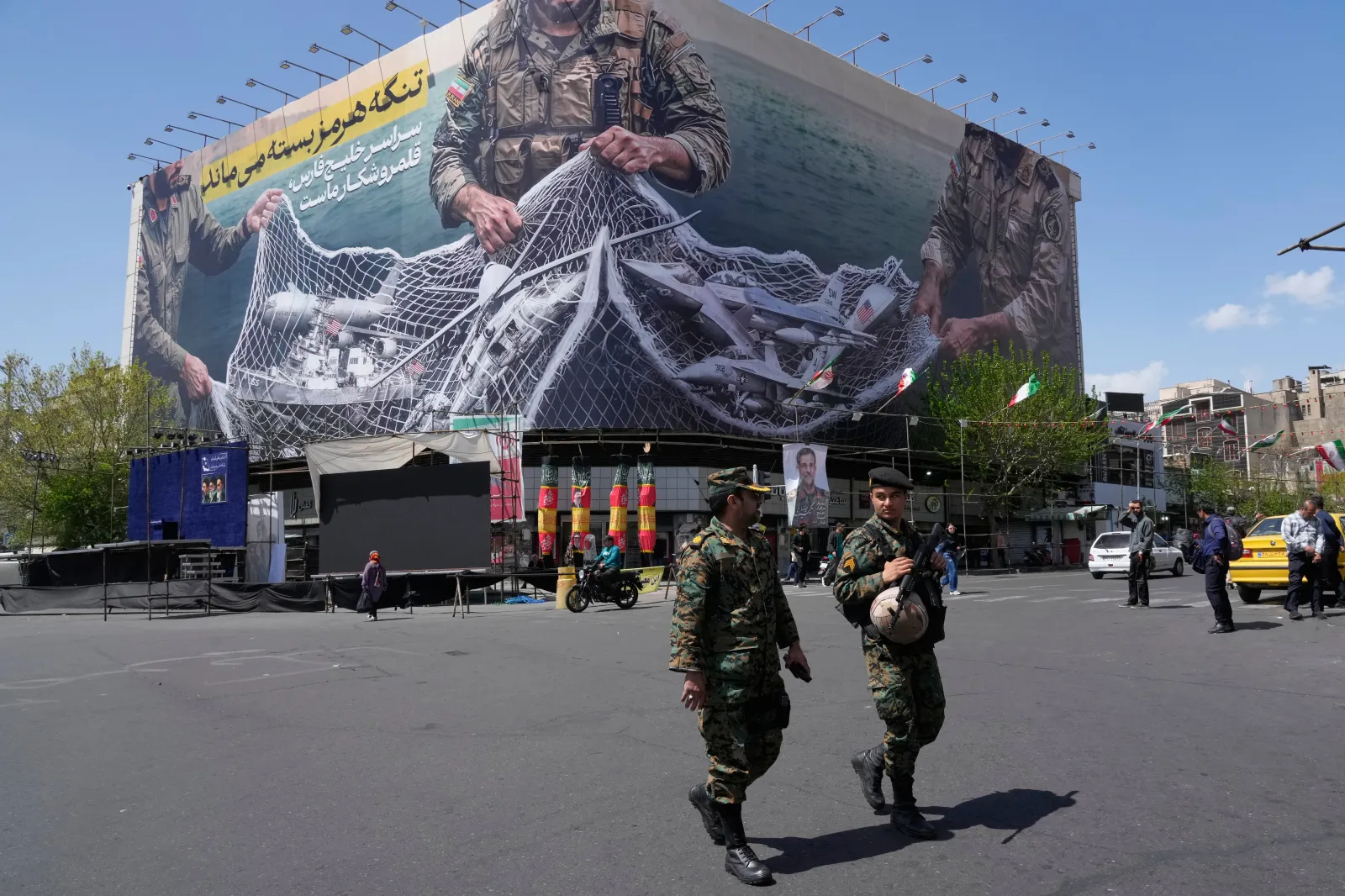
The United States and Iran entered a two-week ceasefire Tuesday evening just moments ahead of President Donald Trump’s looming 8 p.m. ET deadline for Tehran to reopen the Strait of Hormuz and avert what Trump said would be the death of a civilization.
Less than a day later, by Wednesday afternoon, Tehran accused the Trump administration of violating the fragile ceasefire several times. There have been several recent ceasefires in the region, including between Israel and Hamas and Israel and Hezbollah, both with repeated violations.
Pakistani Prime Minister Shehbaz Sharif, who has been mediating the ceasefire process, noted reports of violations across the region on Wednesday, writing in an X post, “I earnestly and sincerely urge all parties to exercise restraint and respect the ceasefire for two weeks, as agreed upon, so that diplomacy can take a lead role towards peaceful settlement of the conflict.”
Read More on World
Alex Vatanka, senior fellow at the Middle East Institutetold Newsweek that both parties are going in with “maximalist demands,” which he says is to be expected, but will have to compromise and meet halfway on some points, “that’s what negotiation is all about.”
What Iran Doesn’t Want To Give Up
Ahead of U.S.-Iran negotiations in Pakistan this weekend, Iran has proposed a 10-point plan, which Trump has called a “workable basis” for negotiations.
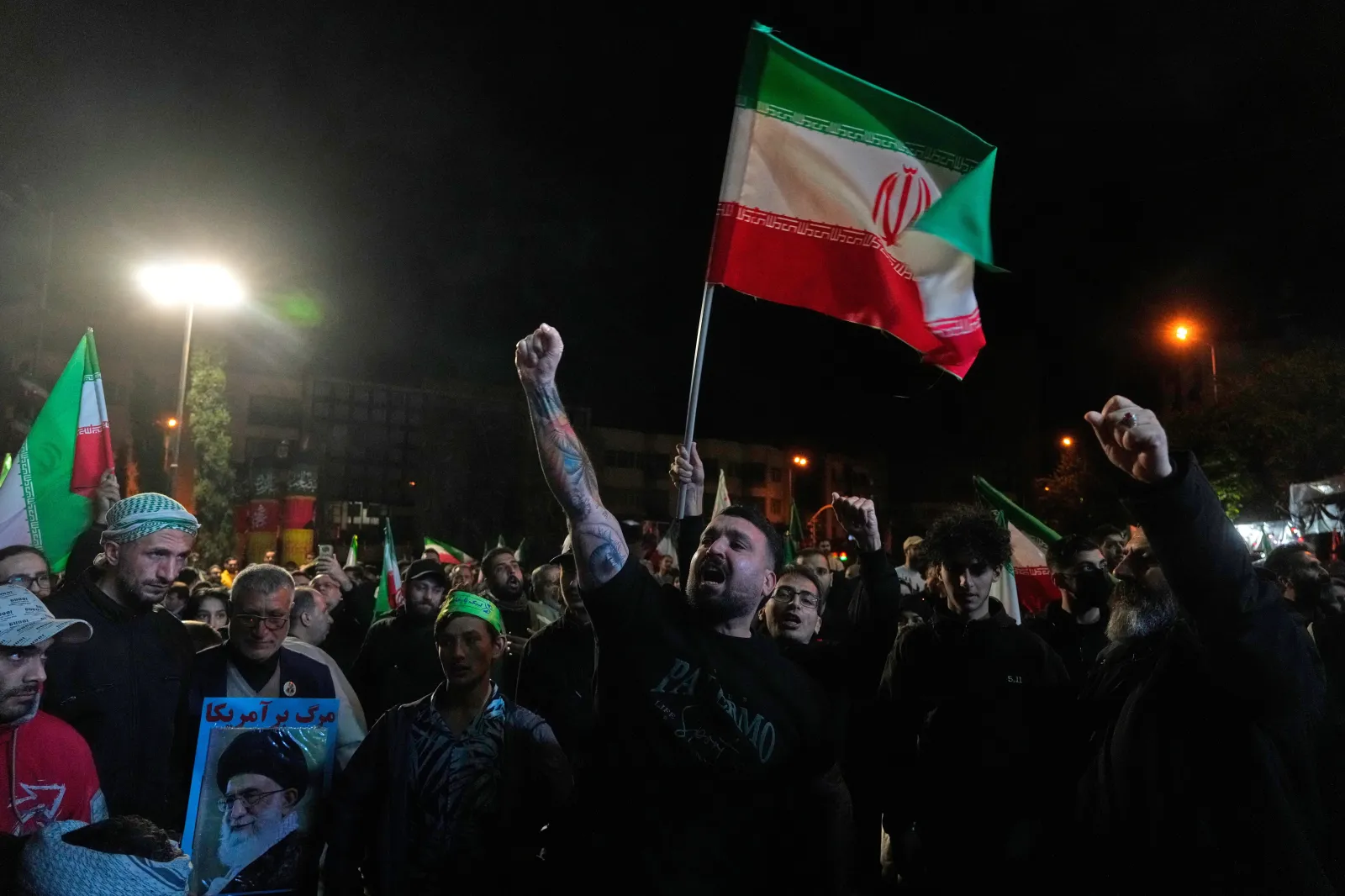
Under Tehran’s proposal, Iran would be allowed to continue enriching uranium, a core issue in previous negotiations. The U.S. has repeatedly said Iran’s program could be used to develop nuclear weapons, while Tehran insists its nuclear program is for peaceful energy purposes. In June 2025, the United States struck three Iranian nuclear facilities — Fordow, Natanz and Isfahan — in an effort to curb the program.
...
Iran’s nuclear program has been cited as a reason for the U.S. military involvement in the region. Since the June bombings, U.S. officials have repeatedly said that the damage would make it very difficult for Iran to rebuild any kind of nuclear program.
Iran has also made it clear that it wants to maintain its ballistic missiles and other stockpiled weapons, with Vatanka noting that there’s no chance the country hands them over. Many of these weapons are believed to be damaged or destroyed, with General Dan Caine, chairman of the U.S. Joint Chiefs of Staff, stating that CENTCOM forces have destroyed about 80 percent of Iran’s air defense systems, 450 ballistic missile storage facilities, and 90 percent of their weapons factories, among other military feats.
Control over the Strait of Hormuz appears to be another sticking point, as it is a narrow, yet incredibly strategically important waterway that sees the passage of about 20 percent of global oil trade. Sami Nader, director of the Institute of Political Science in Beirut, told Newsweek, "The Strait [of Hormuz] is the only currency." He continued, "The single most important variable in this entire conflict is the price of oil — and the entity that controls it. The Strait of Hormuz is not just a shipping lane; it is the pressure valve of the global economy, and Iran just demonstrated it can close it."
The price of Brent crude—the international benchmark—has soared in recent days, reaching around $110 on Tuesday afternoon, before dropping to around $96 on Wednesday.
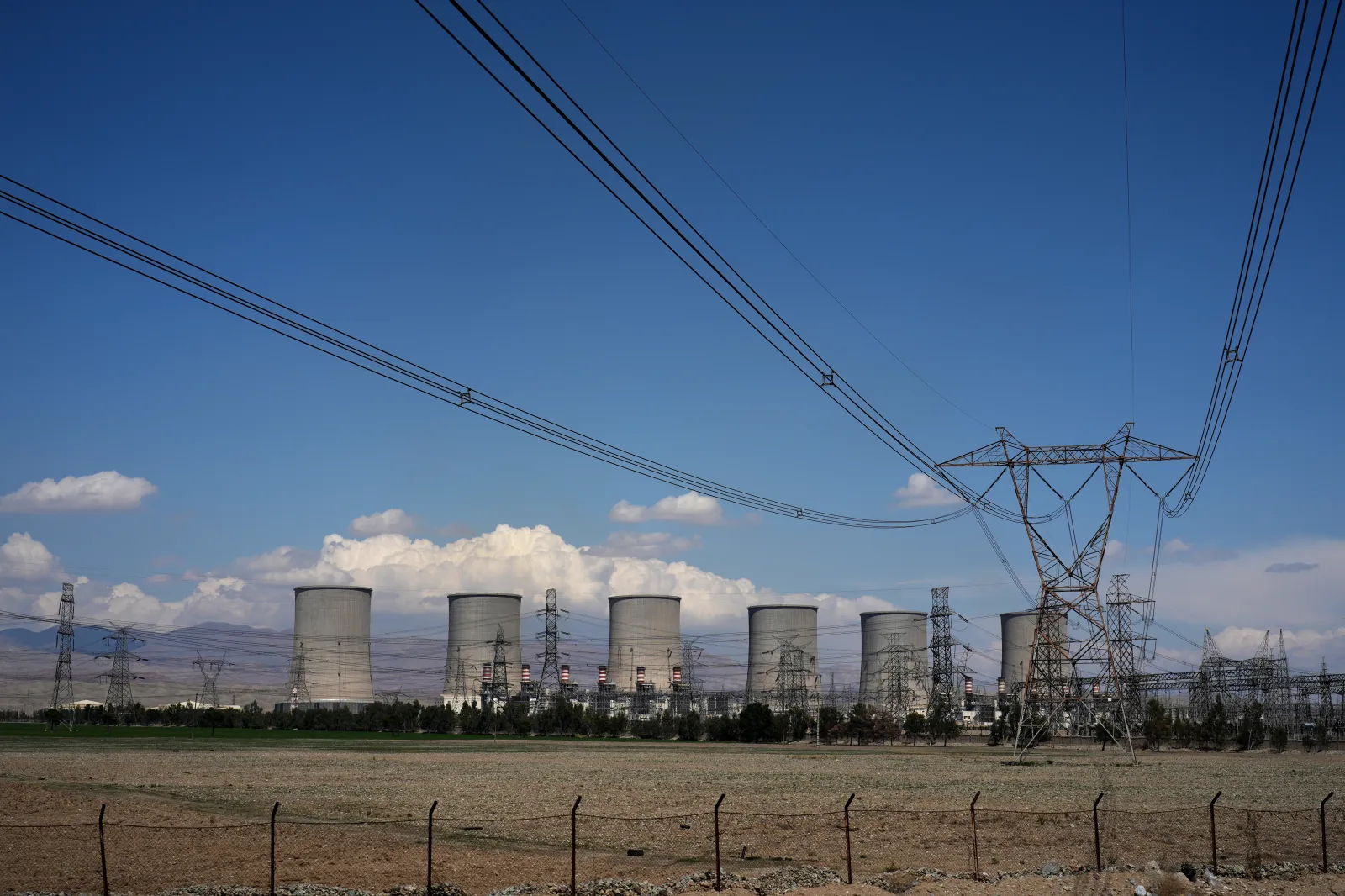
Georgetown University professor Nader Hashemi told Newsweek, “Iran’s redlines are control over the Strait of Hormuz, its missile/drone program, and its nuclear program. I cannot see them making any major concessions on these items.”
...
He continued, “Iran’s nuclear program now matters more than before this war,” noting that the “existential crisis” Iran has weather makes concession on these items very unlikely.
Hashemi went on to assert that “the U.S.-Israeli attack has incentivized the Islamic Republic to clandestinely build a nuclear arsenal as soon as possible to prevent a repeat scenario where the US and Israel will try to topple the Islamic Republic once again.”
However, Vatanka noted that it's possible Iran could concede on some of the stipulations as a “goodwill gesture” to demonstrate the country’s intentions regarding enrichment.
...
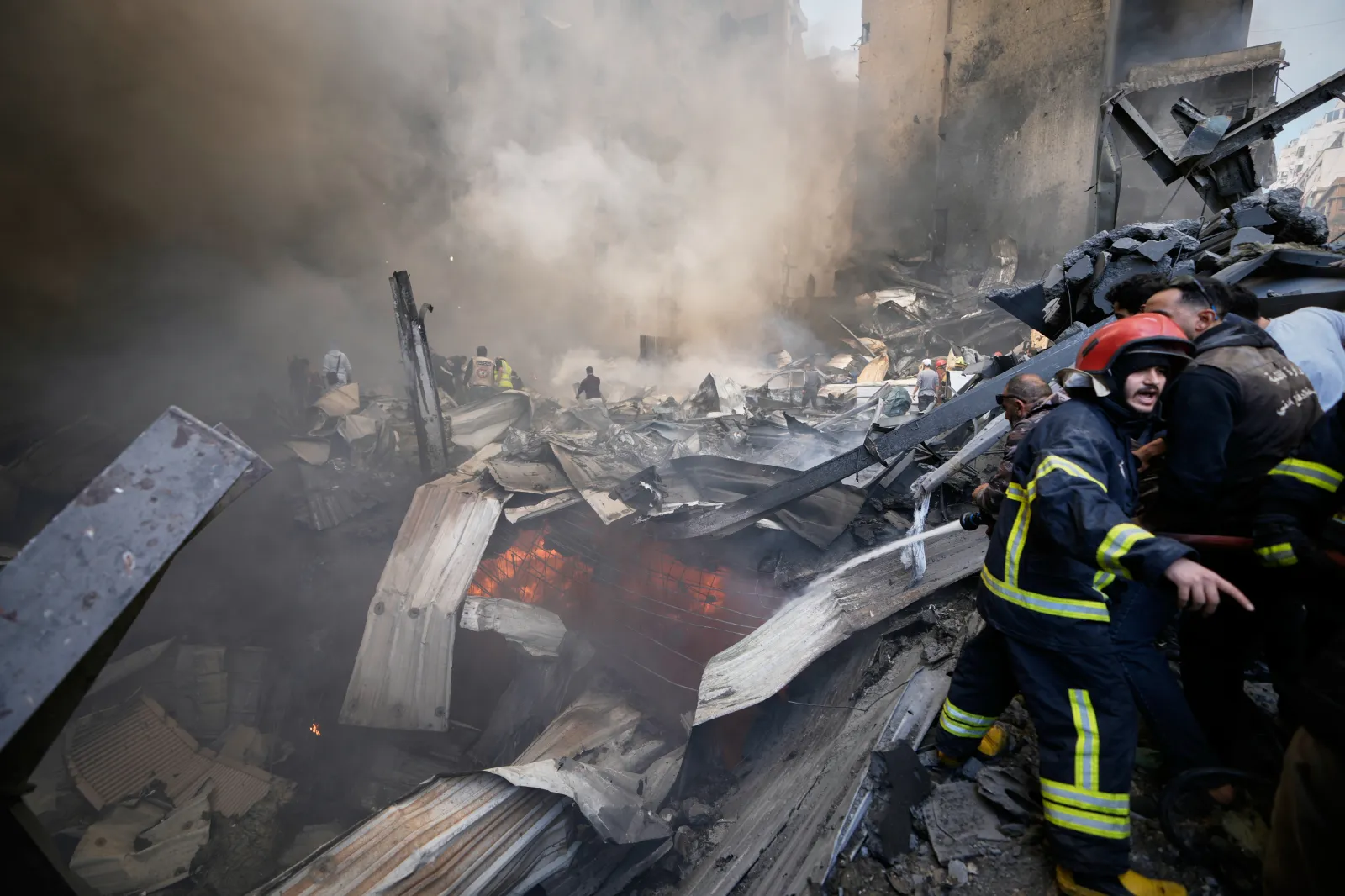
Iran has signaled that Israel must cease its ongoing bombardments and hostilities towards Lebanon, as part of the larger negotiations. Iran and Pakistan have both noted that Lebanon would be part of the ceasefire, while the U.S., which is a close ally of Israel, did not believe it to be encompassed.
Sharif said in a Tuesday night X post announcing the ceasefire, that it would be an “immediate ceasefire everywhere including Lebanon and elsewhere, EFFECTIVE IMMEDIATELY.”
Israeli Prime Minister Benjamin Netanyahu said in an X post Tuesday night that while Israel supports the U.S.-Iran ceasefire, it “does not include Lebanon.”
Israel heavily bombarded commercial and residential areas of Beirut on Wednesday, with the AP reporting that at least 182 people were killed and hundreds wounded.
What The U.S. Doesn’t Want To Give Up
The U.S., on the other hand, has presented a 15-point plan. It’s unclear how much overlap there is with Iran’s proposal. In a Truth Social post on Wednesday, Trump wrote that some of the reported “agreements, lists, and letters” are not the government’s official stance. He noted, “There is only one group of meaningful ‘POINTS’ that are acceptable to the United States, and we will be discussing them behind closed doors during these Negotiations.”
Tehran’s proposal to maintain uranium enrichment goes against Trump’s Wednesday comments, in which he wrote, “There will be no enrichment of Uranium, and the United States will, working with Iran, dig up and remove all of the deeply buried (B-2 Bombers) Nuclear ‘Dust.’” The buried materials are from the U.S.’s June bombing of the nuclear sites.
U.S. Secretary of Defense Pete Hegseth told reporters on Wednesday, “There will be no Iranian nuclear weapons. Period. Full stop.”
...
White House Press Secretary Karoline Leavitt added on Wednesday, “The president’s red lines, namely the end of Iranian enrichment in Iran, have not changed.” She also added that the president did not agree to a “wish list” from Tehran.
The administration has also been clear on the importance of the Strait of Hormuz remaining open, with Vice President JD Vance saying on Wednesday, “The president is very, very clear the deal is a ceasefire, a negotiation. That’s what we give, and what they give is that Straits are going to be reopened. If we don’t see that happening, the president is not going to abide by our terms, if the Iranians are not abiding by their terms.”
Nader noted the importance of the Strait to the U.S., writing, "Washington’s core strategic imperative — containing China’s rise, managing inflation, winning midterms — runs directly through $80 oil, not through zero centrifuges." He continued stating that Iran's 10-point plan, "buried the Hormuz protocol inside maximalist demands because they understood: the Strait is the only card Washington cannot afford to have Iran keep."
The U.S. will also not abandon its military bases in the Gulf nations, as Iran would like, scholars like Vatanka said. Trump has adamantly pushed for the Strait of Hormuz to remain open.
“The president will only make a deal that serves in the best interests of the United States of America,” Leavitt said on Wednesday.
Areas For Negotiation
Technically, much is on the table for negotiations. There’s the possibility of sanctions easing, with the U.S. having heavy levies on the Islamic Republic that have crippled the country’s economy ahead of the war.
Negotiators could also revisit limits on uranium enrichment. Under the Joint Comprehensive Plan of Action, JCPOA, the 2015 nuclear accord brokered during President Barack Obama’s administration and later abandoned by the U.S. under Trump, Iran was permitted to enrich uranium up to 3.67 percent, subject to International Atomic Energy Agency monitoring.
Vatanka said that across the board, “they have to soften their positions. They have to think long term, they have to bite the bullets, swallow the pride,” and if they do so on the core issues at hand, “things should be achievable,” he added.
French President Emmanuel Macron posted on Wednesday that he spoke with both Iranian President Masoud Pezeshkian and Trump, applauding the ceasefire decision. He added, "Any agreement will have to address the concerns raised by Iran’s nuclear and ballistic missile programs, as well as its regional policy and its actions obstructing navigation through the Strait of Hormuz."
Nader said, "What is taking shape is not a peace deal — it is a managed limbo that both parties can live with indefinitely. The US cannot sell its public a deal that lets Iran keep any enrichment right; Iran cannot sell its public surrendering it," adding that, "The gaps are too wide for a final settlement, but the costs of resumed war — $117 oil, market collapse, regional conflagration — are too high for either side to absorb."
What Happens Next
Negotiations between the Iranian and American counterparts, led by Vance, are to take place on Saturday in Islamabad, Pakistan’s capital.
The future of the deal is uncertain. Nader believes an "armistice will be called a deal. It will be fragile. And it will hold — until the next crisis, the next miscalculation, or the next election changes the calculus on either side."
Update: 4/8/26, 7:10 p.m. ET: This article has been updated with Nader's comments.
View 0 Comments
Submit Correction
View Editorial & AI Guidelines