...

By Billal Rahman
Immigration Reporter
0
Share
Newsweek is a Trust Project member
See more of our trusted coverage when you search.Prefer Newsweek on Googleto see more of our trusted coverage when you search.
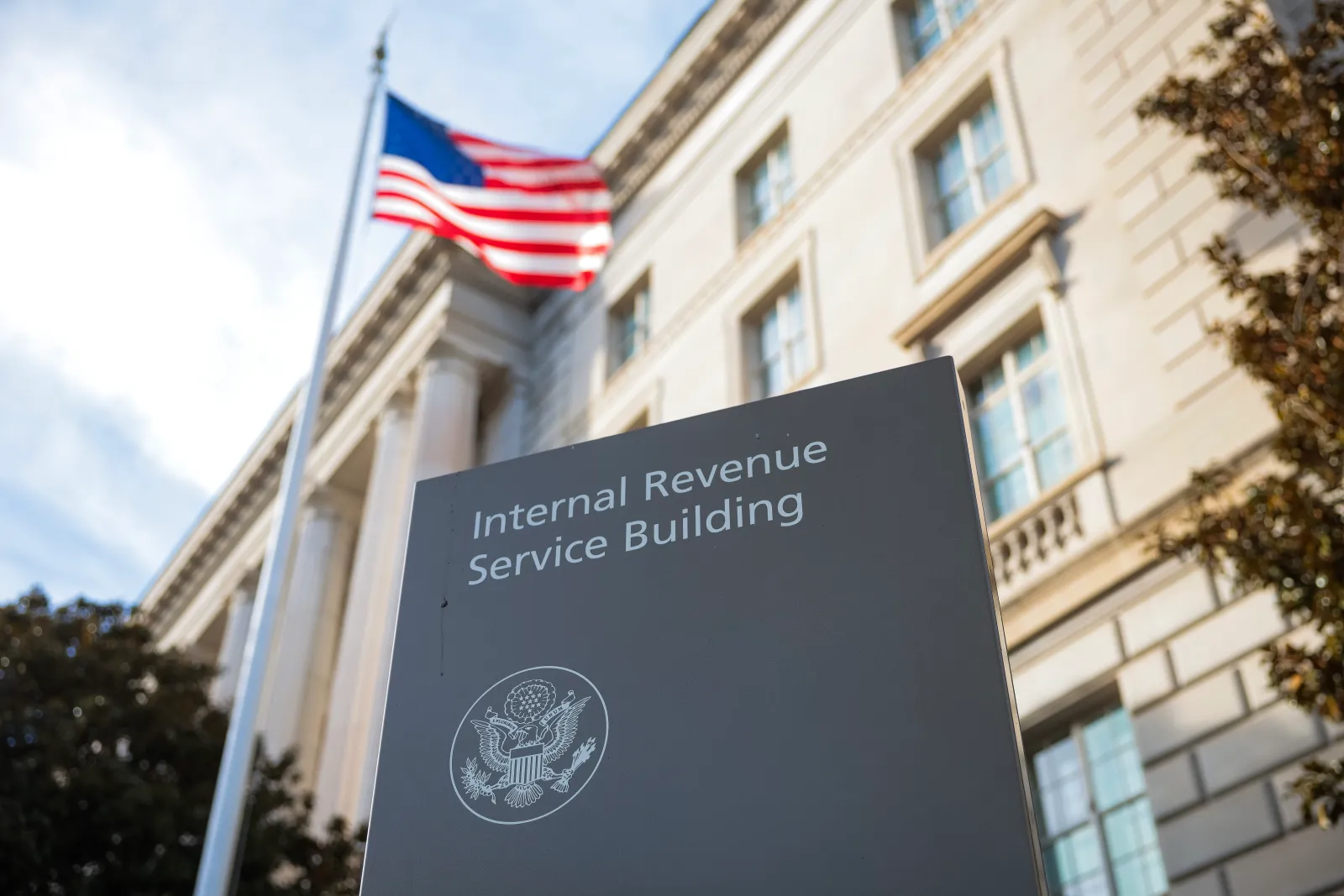
The Internal Revenue Service (IRS) improperly disclosed the confidential taxpayer information of thousands of individuals to the Department of Homeland Security (DHS), according to a court filing reviewed by Newsweek.
The disclosure occurred as part of a data-sharing agreement between federal agencies aimed at assisting immigration enforcement.
Why It Matters
The agreement, signed in April 2025 by Treasury Secretary Scott Bessent and Homeland Security Secretary Kristi Noem, allowed U.S. Immigration and Customs Enforcement (ICE) to submit lists of names and addresses of people it believed were in the United States illegally. The IRS was to cross-check that information against its tax records.
Read More on News
...
What To Know
The Washington Post first reported the disclosure, citing three people familiar with the matter, who said it appeared to breach legal safeguards protecting taxpayer data and was only recently discovered. The IRS later confirmed the reporting in a Wednesday court filing, with chief risk and control officer Dottie Romo saying in a sworn declaration that the agency shared confidential taxpayer information even when the DHS lacked sufficient data to identify specific individuals positively.
In the filing, Romo said the agency received requests for 1.28 million names from ICE. The IRS was able to verify about 47,000 of those names. For a portion of those verified individuals, about 5 percent, the IRS provided additional address details that may have violated federal confidentiality protections for tax records.
Romo said that the Treasury Department informed the DHS in January of the error and sought assistance in “promptly taking steps to remediate the matter consistent with federal law,” including disposal of improperly shared data.
Federal law generally imposes strict confidentiality requirements on tax information, and disclosure outside narrowly defined exceptions can trigger civil and criminal penalties. The IRS has not publicly disclosed whether it will notify individuals whose data may have been shared.
According to the declaration, the ICE data file included fields such as first and last name, Social Security number, date of final removal order, and an address field labeled “EARM_ADDRESS.”
Romo said in court filings the IRS later determined it had provided addresses in instances where the ICE-supplied address field “was either incomplete or insufficiently populated.” The filing also states that the DHS and ICE confirmed they would comply with federal law and, pending related litigation, “will not inspect, view, use, copy, distribute, rely on, or otherwise act on any return information” disclosed under the agreement.
A federal judge previously ordered the IRS to stop sharing residential address information with ICE, and another court blocked the agreement entirely, ruling that it likely violated taxpayer privacy protections.
What People Are Saying
Tom Bowman, policy counsel for the Center for Democracy & Technology, said in a statement shared with Newsweek: "This privacy failure is a stark reminder of why safeguards for sensitive data are so critical. The improper sharing of taxpayer data is unsafe, unlawful, and subject to serious criminal penalties. Once taxpayer data is opened to immigration enforcement, mistakes are inevitable and the consequences fall on innocent people.
"The disclosure of thousands of confidential records unfortunately shows precisely why strict legal firewalls exist and have—until now—been treated as an important guardrail. Our tax system depends on trust, particularly in the government, and failure to safeguard sensitive information eviscerates that trust.
"Treating these privacy violations as a bureaucratic hiccup ignores the reality that these errors can lead to detention, family separation, identity theft, and lasting harm to people who followed the law by filing their taxes."
Lisa Gilbert, co-president of Public Citizen, told The Associated Press that “this breach of confidential information was part of the reason we filed our lawsuit in the first place. Sharing this private taxpayer data creates chaos and, as we’ve seen this past year, if federal agents use this private information to track down individuals, it can endanger lives.”
In a polarized era, the center is dismissed as bland. At Newsweek, ours is different: The Courageous Center—it's not "both sides," it's sharp, challenging and alive with ideas. We follow facts, not factions. If that sounds like the kind of journalism you want to see thrive, we need you.
When you become a Newsweek Member, you support a mission to keep the center strong and vibrant. Members enjoy: Ad-free browsing, exclusive content and editor conversations. Help keep the center courageous. Join today.


View 0 Comments
Submit Correction
View Editorial & AI Guidelines