...


By Anna Commander and Brendan Cole
0
Share
Newsweek is a Trust Project member
See more of our trusted coverage when you search.Prefer Newsweek on Googleto see more of our trusted coverage when you search.
Hezbollah rejected a U.S.-backed ceasefire framework between Lebanon and Israel on Thursday, demanding a full Israeli withdrawal from Lebanese territory and casting doubt on a deal designed to stabilize one of the most volatile fronts in the wider Iran war.
The agreement, announced Wednesday after U.S.-mediated talks, called for renewed security arrangements in southern Lebanon and the creation of "pilot" zones where Hezbollah operatives would be barred.
But Hezbollah was not part of the negotiations, and Lebanon’s government does not control the Iranian-backed group.
Read More on News
...
Hezbollah chief Naim Qassem said Thursday that any demand for the group’s fighters to leave southern Lebanon while Israeli forces remain there would amount to "surrender, defeat and achieving the enemy’s goals."
"We did not make any commitment to any party to stop resisting as long as there is occupation," Qassem said in a statement carried by Hezbollah’s Al-Manar TV.
The Lebanon talks are unfolding against the backdrop of the wider Iran war, which began after U.S. and Israeli strikes on Iran on February 28. Hezbollah escalated attacks on Israel in March in support of Tehran, its main backer.
Analysts say Iran has sought to link any settlement in Lebanon to broader negotiations over the Strait of Hormuz, where Tehran’s blockade has disrupted shipping and intensified pressure on Washington and its allies.
Israeli Attacks Continue in South Lebanon
Also on Thursday, Israel's defense minister, Israel Katz, said the Israeli military would continue its ground operations in southern Lebanon, despite the agreement announced Wednesday which involved the U.S.
Katz said Israeli forces would stay in Lebanon's south, where hundreds of thousands of civilians who had been forced to flee would not be able to return.
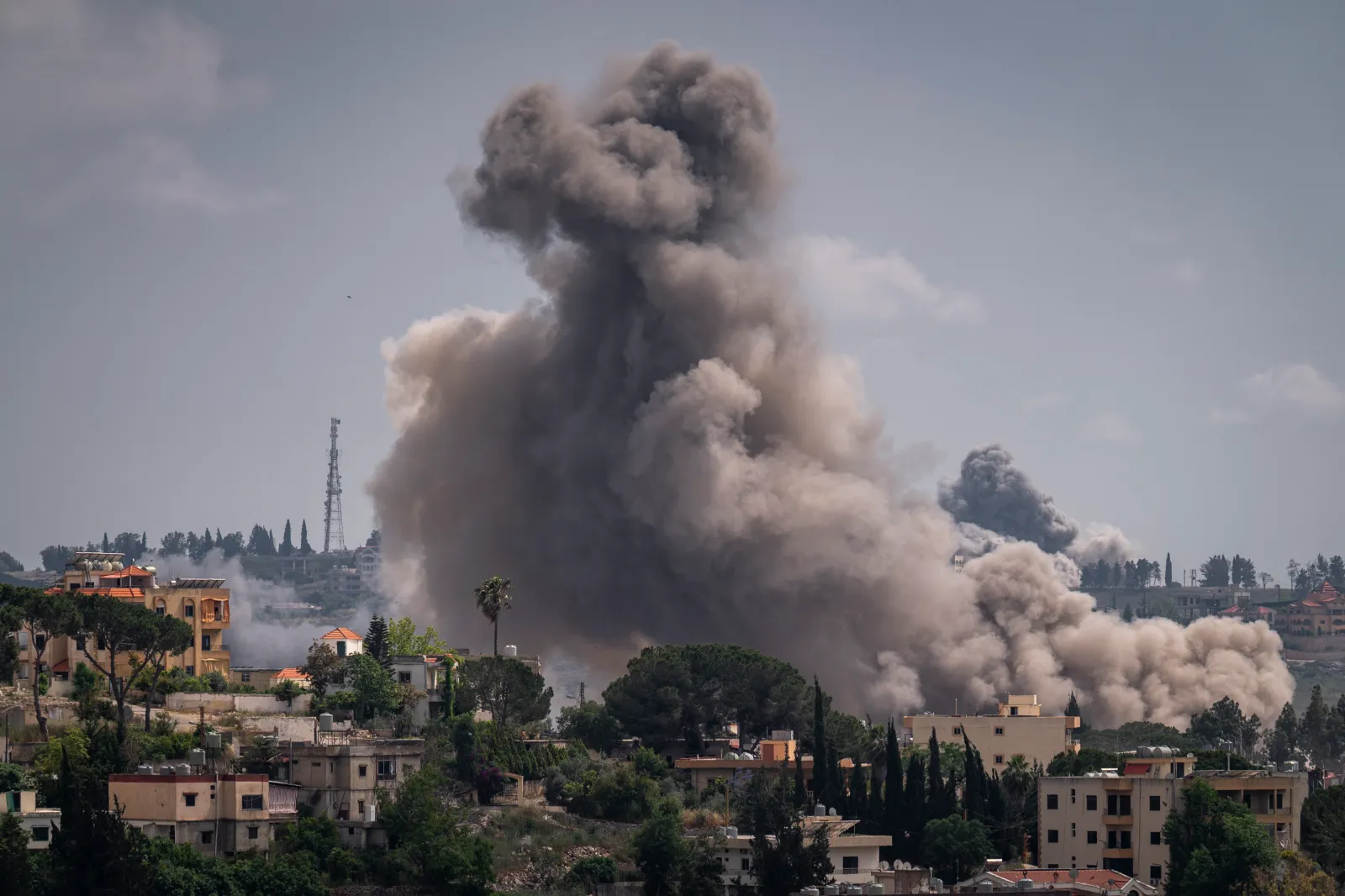
Earlier in the day, Israel carried out multiple drone strikes in southern Lebanon, launching drones on the Nabatieh area, thus complicating a tentative deal struck after meetings involving the U.S. over the previous two days.
Thursday's events are a setback to hopes that Israel and Lebanon could renew their fragile truce and create "pilot" security zones inside Lebanon and exclude the Iranian-backed Hezbollah. Both sides had said the ceasefire "is contingent on a complete cessation of Hezbollah fire and the evacuation of all Hezbollah operatives" from areas south of the Litani River.
...
"It’s important to keep in mind that this ceasefire agreement is between the governments of Lebanon and Israel, not between Israel and Hezbollah, the two warring parties," Rajan Menon, professor emeritus of International Relations at the City College of New York, told Newsweek Wednesday.
"That crucial distinction makes any long-term (several weeks, for example) cessation of fighting a long-shot at best. Moreover, the agreement hinges on Hezbollah withdrawing from the parts of Lebanon south of the Litani River. That’s an added complication because Hezbollah will see that stipulation as one that allows an indefinite Israeli occupation."
Hezbollah Out of the Loop
The U.S. State Department said Wednesday the ceasefire is contingent on "a complete cessation of Hezbollah fire and the evacuation of all Hezbollah operatives from the South Litani Sector." The statement did not refer to Israel's presence in roughly 234 square miles of land along the border, condemned internationally as an occupation.
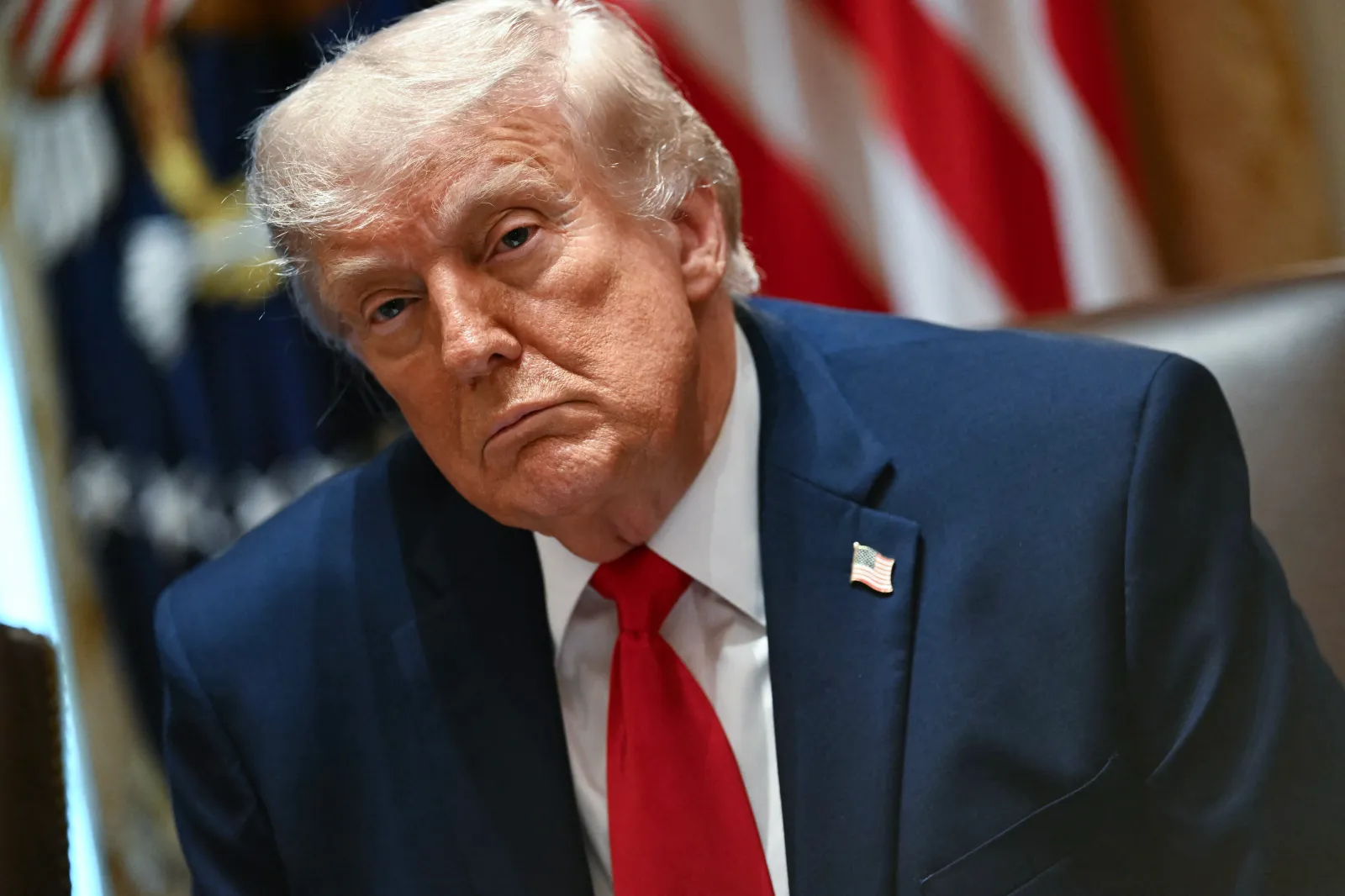
President Donald Trump had announced on Monday that Washington had brokered a fresh truce between Israel and Hezbollah, after the one reached in April unraveled.

...
Hostilities continued that evening, when the Israeli military reported intercepting two projectiles that crossed into northern Israel from Lebanon. The Associated Press (AP) also reported that Israel ordered strikes on Beirut's southern suburbs before Trump's post on Monday.
The State Department described how the three governments outlined commitments aimed at restoring stability and strengthening security arrangements in Lebanon, while emphasizing that future relations between Israel and Lebanon should be determined by their sovereign governments.
The ceasefire initiative could represent a diplomatic win for the Trump administration, which has sought to pair military pressure in the region with negotiated agreements seemingly aimed at preventing a wider conflict.
Trump had said Monday that Israel and Hezbollah had agreed to dial back fighting, saying on Truth Social that he had asked Netanyahu not to go into a major raid on Beirut and that he also had a conversation with Hezbollah who agreed "to stop shooting at Israel, and its soldiers. Likewise, Israel agreed to stop shooting at them. Let’s see how long that lasts."
Negotiations Between the US and Iran
The State Department also said all parties involved "condemned Iran’s attacks on countries in the region, and ongoing activities that undermine stability throughout the Middle East, whether through support for proxies and all other acts of aggression."
The announcement appeared to separate efforts to reach a deal to end the conflict in Lebanon and the war with Iran. Tehran wants to link the pair, protect its Hezbollah proxy, and retain its influence in Lebanon.
In its Wednesday update, the Institute for the Study of War (ISW) said that Iran and Hezbollah are continuing to turn talks over Tehran's blockade of the Strait of Hormuz into negotiations about ending the war in Lebanon.
Iranian officials have echoed Hezbollah’s maximalist demands for a complete ceasefire in Lebanon and withdrawal of Israeli forces from Lebanon as part of Iran’s effort to create a protracted discussion about the Lebanon issue and thereby deflect attention from negotiations about the Strait of Hormuz and other key points of disagreement.
Iran’s supreme leader, Mojtaba Khamenei, issued a message on Thursday accusing the U.S. and Israel of sowing division among Iranians, adding that the U.S. and Israel "suffered defeat" and faced a "decisive blow."
Regional tensions remain high. The U.S. targeted an unoccupied oil tanker it accused of violating a blockade on Iranian ports in place since April 13. The U.S. said it had also conducted "self-defense" strikes on Qeshm Island in the Strait of Hormuz on Tuesday.
View 0 Comments
Submit Correction
View Editorial & AI Guidelines