10
Loading video...

By Hannah Parry
Associate News Editor
0
Share
Newsweek is a Trust Project member
See more of our trusted coverage when you search.Prefer Newsweek on Googleto see more of our trusted coverage when you search.
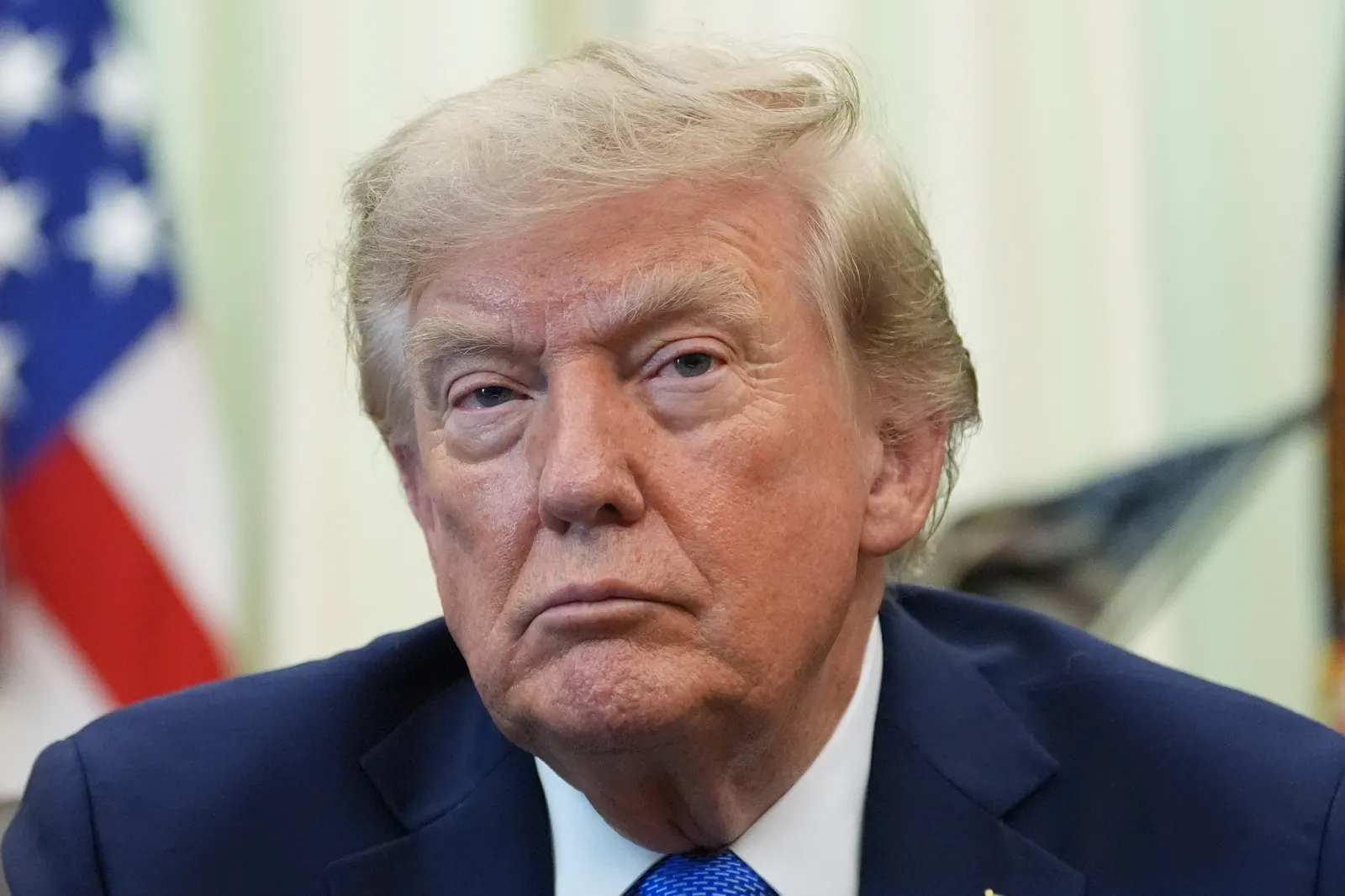
President Donald Trump’s family members could soon be required to provide testimony and documents in his $10 billion defamation lawsuit against the BBC, as the broadcaster seeks to question those closest to him about his intentions surrounding his January 6, 2021, speech, new legal documents show.
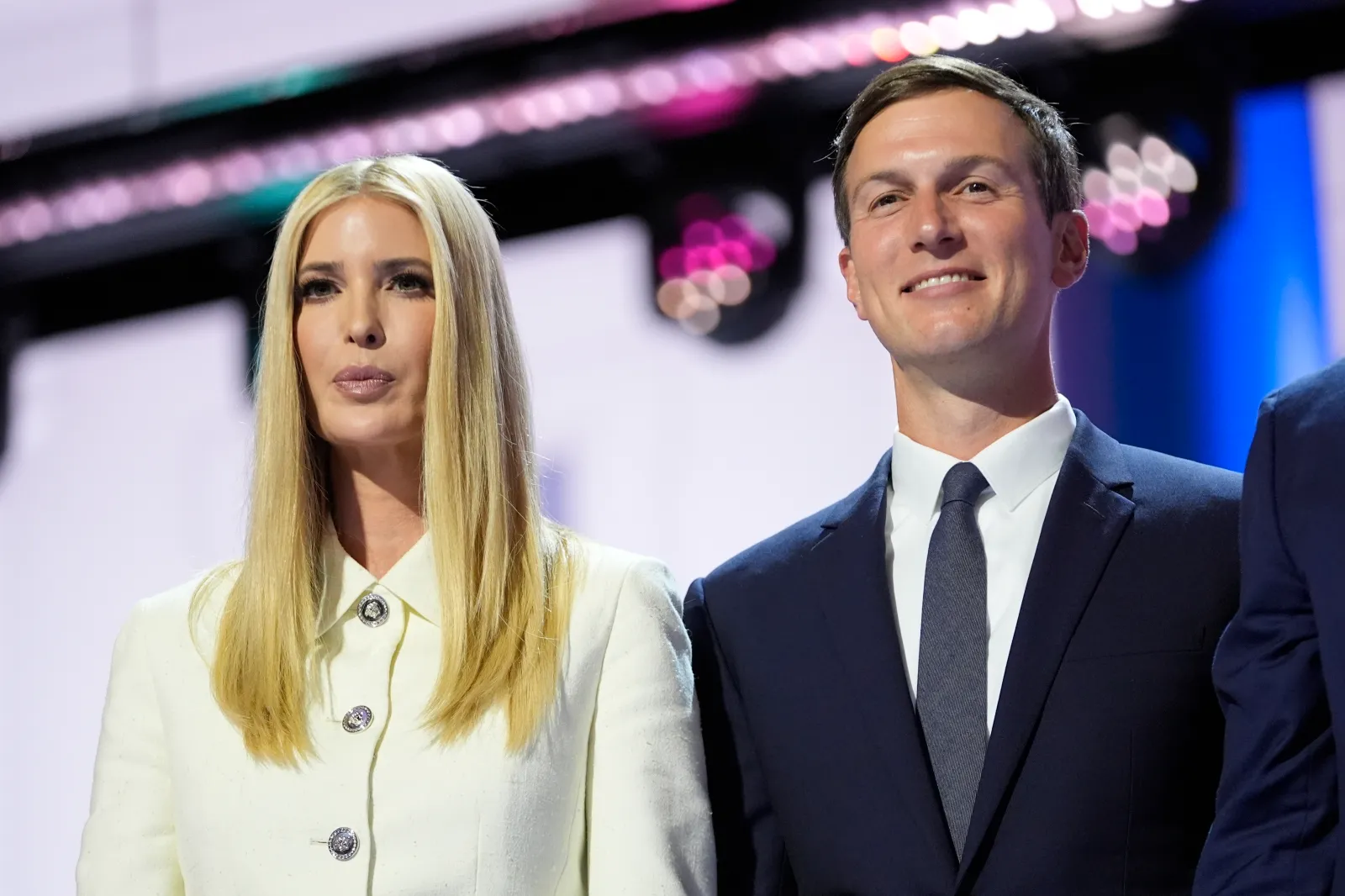
The BBC is seeking subpoenas for Donald Trump Jr., Ivanka Trump and Jared Kushner, arguing that all three may possess firsthand information relevant to the case. The broadcaster says the family members could shed light on what Trump intended to communicate when he addressed supporters at the Ellipse as the attack on the U.S. Capitol was unfolding.
The subpoenas seek both deposition testimony and documents, according to court filings.
Read More on Politics
The legal battle stems from a 2024 BBC Panorama documentary that edited together separate portions of Trump's January 6 speech. The editing made statements delivered at different points in the address appear to be part of a continuous passage, creating the impression that Trump had directly called for violent action.
The BBC later apologized for the editing and acknowledged it had created a misleading impression. However, the broadcaster has denied that the documentary provides grounds for Trump's defamation claims.
Trump filed the lawsuit in December 2025, seeking $5 billion in damages for alleged defamation and another $5 billion under Florida's law governing deceptive and unfair trade practices. The case is pending in federal court in Florida.
...
Why the BBC Wants Trump's Family to Testify
The BBC's strategy has increasingly focused on evidence surrounding Trump's state of mind and intentions on January 6.
According to the broadcaster's attorneys, Donald Trump Jr. and Ivanka were present while their father revised portions of his speech and were also at the Ellipse during the address. The BBC also contends that Kushner prepared a proposed statement for Trump condemning the violence.
The broadcaster argues that such evidence is relevant to determining whether the documentary's portrayal was materially false and whether the BBC acted with the level of intent required to establish defamation against a public figure.
Alex Morey, a First Amendment specialist for Freedom Forum, a nonprofit organization focused on the freedom of the press, said the BBC believes Trump’s family members "have personal knowledge of whether the president's reputation was harmed."
"Those who helped the President prepare his speech, or were near him when he gave it, could provide the court firsthand information about what Trump intended to convey. This could shed light on just how “materially false” the BBC’s edit ultimately was," he added.
A federal magistrate judge previously allowed the BBC to pursue discovery involving members of Trump's inner circle. Last month, U.S. Magistrate Judge Enjoliqué Lett ruled that the BBC's subpoenas were sufficiently connected to the allegations in Trump's lawsuit, although she indicated that some discovery could ultimately need to be narrowed.
The BBC has reportedly issued dozens of subpoenas in the case, targeting members of Trump's family and former administration, as well as other individuals and government entities. The broader discovery effort is aimed at establishing what Trump intended and knew before and during the January 6 speech.
"The subpoenas make sense as part of the BBC's effort to develop the factual record surrounding Trump's January 6 speech and, potentially, the damages he claims resulted from the documentary," Jonathan Peters, a First Amendment and media-law scholar at the University of Georgia, told Newsweek.
"In defamation litigation, discovery can be quite broad because the parties may need evidence bearing on falsity, meaning, fault, causation, and damages," Peters said.
Peters said people who were with Trump during those stages "could have firsthand information about the circumstances surrounding his statements and perhaps about what he intended to communicate."
That does not mean their testimony would settle the case.
"It does not necessarily make their testimony decisive, but it can make them legitimate fact witnesses," Peters added.
The BBC has also indicated that Trump's family members could possess information about whether his reputation was actually harmed by the documentary.
That distinction matters because Trump's lawsuit alleges not only reputational injury but enormous economic harm
Related Story
Trump Family Members ‘Fair Game’, Could Face Depositions in BBC Lawsuit
Attempts to Serve the Subpoenas
Court filings indicate that the BBC encountered difficulties when attempting to formally serve the Trump family members.
One attempt to serve subpoenas on Ivanka and Kushner at their Miami residence was blocked by police. A lawyer for the U.S. Secret Service subsequently informed the BBC that the agency was not authorized to accept subpoenas on behalf of the individuals.
A separate attempt to serve Donald Trump Jr. at the Trump Organization's offices in Trump Tower in New York was also unsuccessful.
The BBC has asked the federal court to authorize alternative methods of service, including service by mail or through attorneys representing President Trump.
The issue is procedural, but it could become significant if Trump's family members continue to resist accepting the subpoenas. A subpoena generally must be properly served before a court can compel compliance.
Trump's Private Intent Is Not the Whole Case
One of the most important legal distinctions in the case is between what Trump intended to say and what the BBC's broadcast communicated to viewers.
"The principal question is not simply, 'What did Trump privately intend?'" Peters said. "It is whether the BBC published a materially false and defamatory representation of what he said or did."
That distinction could become particularly important because the BBC has already acknowledged that its editing created a misleading impression.
Lyrissa Lidsky, a Distinguished Professor at the University of Florida Levin College of Law who specializes in defamation and First Amendment law, said the BBC may be trying to determine whether the difference between Trump's actual speech and the edited version was sufficiently significant to constitute material falsity.
"Defamation law requires Trump not just to show that the BBC published something that was technically false, but that it was materially false as well," Lidsky said.
A publication can contain an inaccuracy without necessarily being legally defamatory if it captures the "gist" or "essential truth" of what happened, she explained.
That makes evidence about Trump's actual words and the circumstances surrounding the speech potentially relevant to the BBC's defense.
The BBC's Apology Does Not Mean Its Automatically Liable
The BBC has apologized for the editing and acknowledged that it created a misleading impression. That admission is likely to be a major part of Trump's argument. But it does not automatically establish that the broadcaster committed legally actionable defamation.
For Trump to prevail, he must satisfy the requirements of a defamation claim and, because he is a public figure, meet the demanding constitutional standard of actual malice.
Actual malice does not mean simply that a journalist made a serious mistake or behaved negligently. It means the defendant knew the statement was false or recklessly disregarded whether it was true or false.
"The BBC's admission or apology that an edit was clumsy, misleading, or fell short of internal editorial standards demonstrates negligence or editorial failure, but does not automatically show knowledge or reckless disregard of its falsity," Lidsky said.
"The key question would be whether the BBC knew or recklessly disregarded that their edit created a false impression materially more damaging to Trump’s reputation than the truth was."
The $10 Billion Question: Did the Documentary Actually Cause the Harm Trump Claims?
The subpoenas could also be important because of the extraordinary size of Trump's damages claim.
The president originally alleged that the BBC documentary caused extensive reputational and economic damage, including harm to his businesses and personal brand.
That puts causation and damages squarely into the litigation.
Peters said the family members may have information relevant to that issue as well.
"A plaintiff seeking billions of dollars puts into issue the nature and extent of the alleged injury," he said.
That can open the door to discovery concerning whether the BBC documentary actually caused the claimed harm "as opposed to harm attributable to the enormous amount of other public discussion and reporting about January 6."
This could become particularly significant if Trump continues to pursue claims involving economic losses.
Could the Family Members Refuse to Testify?
Being Trump's children or son-in-law does not automatically shield them from discovery. But recipients can object, seek to narrow or quash the subpoenas, and assert applicable privileges.
"A subpoena is not a judicial finding that someone has relevant evidence, nor does it mean the recipient must answer every conceivable question," Peters said.
If the parties cannot resolve the dispute, a judge can decide what discovery must be provided.
That could mean the fight over the subpoenas continues even after the court rules on the BBC's request for alternative service.
Is There a Trump Family Privilege?
Lidsky confirmed that there was no such thing as "parent-child evidentiary privilege," but that does not mean every conversation would necessarily be discoverable.
"Particular communications could be protected for other reasons," Lidsky noted.
Peters added that Trump could attempt to assert executive privilege, creating a separate legal issue that would have to be considered on the particular evidence and circumstances involved.
Trump's Finances Are Also Part of the Discovery Battle
The dispute over the family subpoenas comes as Trump is separately challenging discovery demands concerning his finances.
Trump's original lawsuit alleged that the BBC documentary caused extensive economic and reputational damage, including harm to the value of his businesses, properties and personal brand. Based on those allegations, the BBC sought financial records from the Donald J. Trump Revocable Trust.
Lett ruled in July that Trump had placed his financial interests at issue by claiming economic harm and ordered the production of a narrower set of records.
Trump subsequently sought permission to amend his complaint and potentially remove claims involving economic damage. U.S. District Judge Roy Altman temporarily paused the financial discovery while considering that request.
The proposed amended complaint has not been publicly disclosed in full, leaving uncertainty over precisely what damages the president will continue to pursue.
Legal experts said that abandoning economic damages could make it more difficult for the BBC to justify extensive financial discovery. However, that would not necessarily prevent the broadcaster from questioning Trump's relatives.
Media lawyer Deanna Shullman previously told Newsweek that family members could still be relevant witnesses if they possess information concerning Trump's alleged damages or the truth or falsity of the documentary's portrayal. Law professor Howard Wasserman similarly said relatives are not automatically shielded from discovery simply because they are members of the president's family.
Impact on the Case
The subpoenas could put Trump's closest family members in the middle of a legal dispute over one of the most consequential events of his presidency.
The BBC's defense is not simply about whether its documentary was edited inaccurately. The broadcaster is seeking evidence concerning the underlying events and Trump's intentions, potentially allowing it to challenge Trump's characterization of what happened before, during and after his January 6 speech.
That creates an unusual dynamic in the lawsuit: Trump's effort to establish that the BBC falsely portrayed his conduct could require the court to examine extensive evidence about the conduct and intent underlying the documentary's disputed portrayal.
A federal judge previously rejected Trump's effort to block broad portions of the BBC's discovery requests, allowing the broadcaster to continue seeking information from his inner circle.
The case is expected to continue through discovery before a potential trial in 2027.
For now, the immediate question is whether the BBC will succeed in formally serving Donald Trump Jr., Ivanka Trump and Kushner and, if so, whether they will ultimately have to sit for depositions and produce documents.
What Happens Next?
The immediate dispute is procedural: whether the BBC will be permitted to use alternative methods to serve the subpoenas on Trump Jr., Ivanka Trump and Kushner after attempts to serve them were unsuccessful.
If the judge grants the BBC's request and the subpoenas are properly served, the family members could then challenge the subpoenas, seek to narrow or quash them, assert applicable privileges or ultimately be required to provide testimony and documents.
That means the immediate legal battle is about how the BBC can serve the subpoenas, while the larger fight would concern what information the family members must actually provide.
Contact Newsweek editors for this story: Samantha Beech and Anthony Murray.
View 0 Comments
Submit Correction
View Editorial & AI Guidelines