...

By Jenni Fink
Senior Editor
0
Share
Newsweek is a Trust Project member
See more of our trusted coverage when you search.Prefer Newsweek on Googleto see more of our trusted coverage when you search.
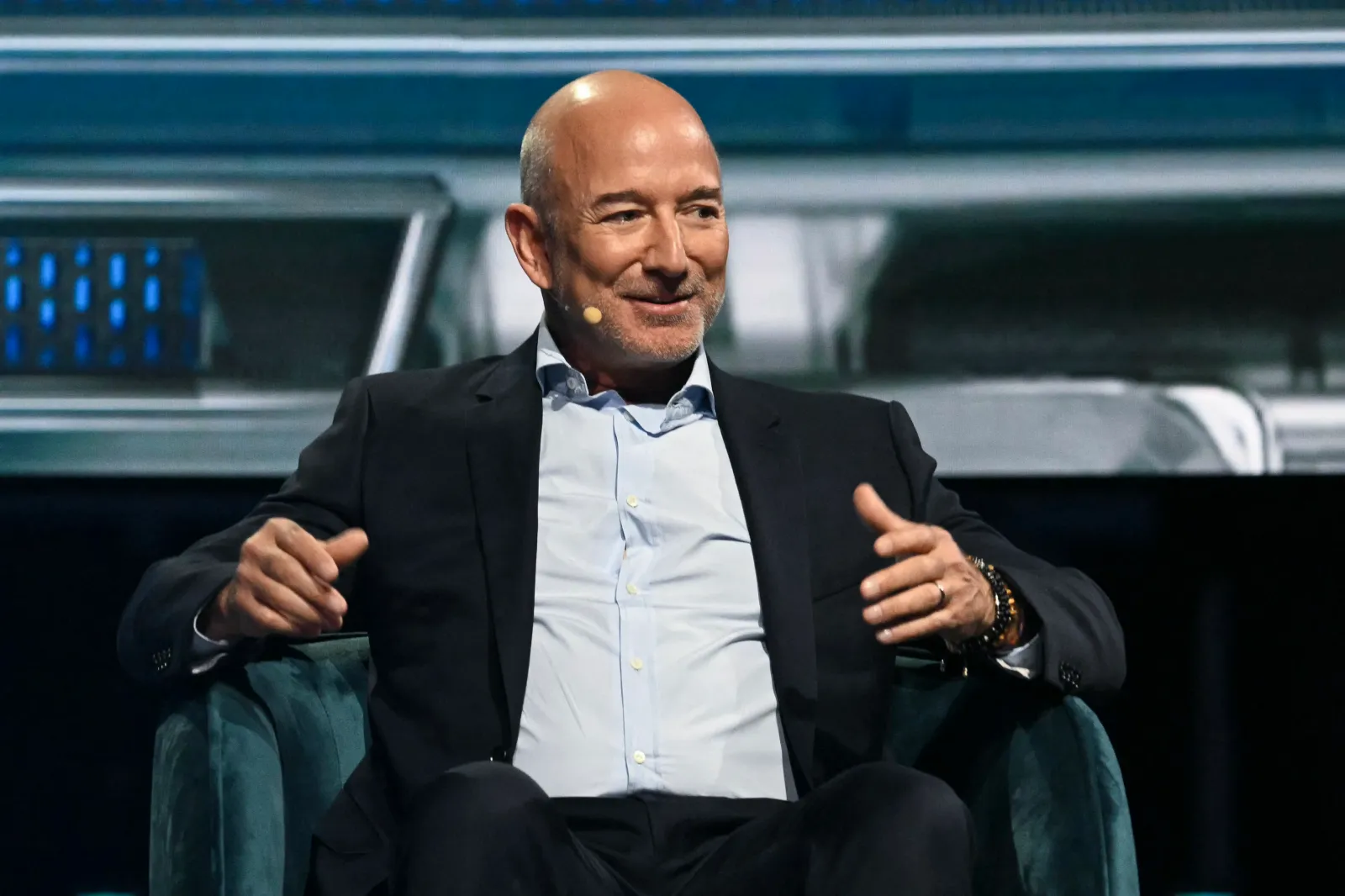
Jeff Bezos says millions of Americans should pay no federal taxes at all—and plans to take that idea directly to President Donald Trump.
The proposal targets lower-income earners and could reshape how the U.S. raises revenue, as frustration with living costs intensifies.
If enacted, it would affect more than 100 million people earning under $50,000, shifting the debate over who pays—and how much.
Read More on News
In an interview with CNBC, the Amazon founder argued that the bottom half of earners should pay “zero” in federal taxes, saying their contributions account for roughly 3 percent of total revenue and could be offset through spending changes. Bezos framed the issue as one of government efficiency rather than tax rates, contending that even doubling his own taxes would not materially improve outcomes for struggling workers paying thousands annually as evidence of what he called an “absurd” system.
Who Would Pay Zero Taxes Under Bezos’ Plan?
Bezos argued that eliminating federal taxes for the lowest half of earners would provide immediate relief to workers struggling with basic costs.
He said people earning around $50,000 to $75,000 a year often pay thousands annually in taxes that could instead go toward housing, food, and other essentials.
...
Using examples from New York, he pointed to a nurse earning $75,000 who pays more than $12,000 a year in taxes, and entry-level Amazon workers earning about $50,000 who may pay roughly $10,000. “That’s absurd,” Bezos said, adding that those workers should “be left alone.”
He said the bottom half of earners contributes roughly 3 percent of federal tax revenue, arguing that amount could be offset through spending changes rather than continued taxation. “Zero is a nice number,” Bezos said of the tax rate he believes those earners should face.
Response to Criticism From AOC
Bezos also responded to criticism from Representative Alexandria Ocasio-Cortez, who has argued that billion-dollar fortunes reflect systemic problems rather than individual achievement.
Asked about her claim that “you can’t earn a billion dollars,” Bezos defended large fortunes as the result of businesses scaling to meet consumer demand. He said companies grow from small operations into large enterprises because millions of people choose to use their services.
“At what point did that money all of a sudden become unethical?” Bezos said, arguing that wealth accumulation in such cases is tied to delivering value to customers.
Bezos Says the U.S. Has a Spending Problem—Not a Tax Problem
Bezos framed his proposal as part of a broader argument that the U.S. does not have a revenue problem but a spending problem. He said even doubling the taxes he personally pays would not materially improve conditions for lower-income Americans
Instead, he pointed to what he described as inefficiencies in government spending and said better allocation of existing resources would have a greater impact than raising taxes. He also criticized the complexity of the tax code, calling it a system filled with loopholes and describing it as a form of “crony capitalism.”
While he did not rule out higher taxes for wealthier Americans, Bezos characterized that idea as a policy choice rather than a necessity, saying the more urgent issue is how tax dollars are used.
‘Two Different Economies’
Bezos said his proposal is rooted in what he described as a growing divide between Americans who are benefiting from economic growth and those struggling to afford basic expenses.
He described one economy where entrepreneurs and investors have access to capital and opportunity, calling it “the best time to be alive in America,” and another where workers face rising costs and limited financial mobility.
Bezos said addressing those disparities requires identifying what he called the “root causes” of economic strain rather than focusing solely on taxing wealthy individuals.
Political Path and What Comes Next
Bezos said he would advocate for his tax proposal in Washington, including directly to President Donald Trump, citing his ability to engage with policymakers.
Any effort to eliminate taxes for lower-income Americans would require congressional approval and would likely face debate over budget impacts, revenue needs, and fairness across income groups.
The proposal comes as more than 100 million Americans earning under $50,000 continue to face high living costs, keeping tax policy at the center of economic and political discussions.
View 0 Comments
Submit Correction
View Editorial & AI Guidelines