...

By Jasmine Laws
Reporter
0
Share
Newsweek is a Trust Project member
See more of our trusted coverage when you search.Prefer Newsweek on Googleto see more of our trusted coverage when you search.
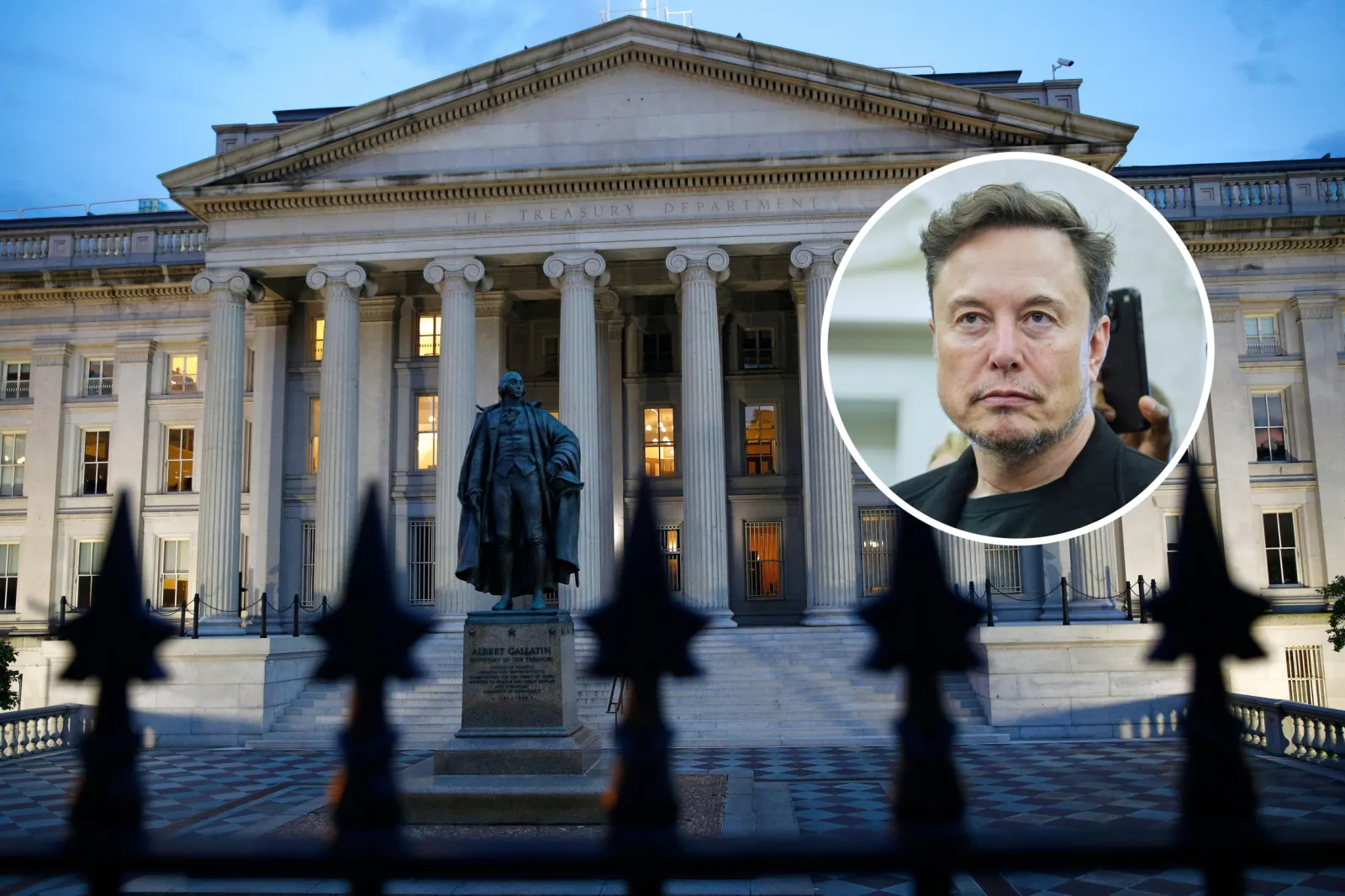
A federal judge has granted Elon Musk's Department of Government Efficiency (DOGE) conditional access to sensitive U.S. Treasury Department systems, relaxing an earlier ban.
The decision followed ongoing litigation brought by 19 Democratic state attorneys general who challenged DOGE's access over privacy and legality concerns.
Under the court's new order, DOGE staff may review payment records and confidential financial information once designated employees complete federal training and submit financial disclosures.
Read More
Elon Musk Responds to Trump Voter’s Fury Over Lack of DOGE Votes3 min read

Elon Musk Breaks With Trump on Energy: ‘Oil Is Small-Time’3 min read

Russian Top Official Reacts To Trump Warning Putin He’s ‘Playing With Fire’2 min read

Newsweek has contacted DOGE and the Treasury Department for comment outside of regular working hours.
...
Why It Matters
The ruling marks a significant step for the White House's cost-cutting and modernization agenda, as DOGE is tasked with eliminating perceived wasteful federal spending.
However, the move has reignited debates over privacy, data security and how much authority the executive branch can exert over sensitive personal data belonging to millions of Americans.
What To Know
Judge Jeannette Vargas ruled in a written opinion on Tuesday that certain DOGE employees would be permitted access to Treasury payment and data systems after completing required employee security training and financial disclosure filings.
Once those conditions are met, the Treasury's DOGE team members will be able to review payment systems and records that include personally identifiable information.
The ruling grants increased access to Treasury DOGE team leader Tom Krause, along with DOGE members Linda Whitridge, Samuel Corcos, and Todd Newnam. Another DOGE member Ryan Wunderly had already been granted access in April.
The ruling represents a relaxation of a strict ban imposed months earlier, which had barred DOGE members from the systems due to privacy concerns.
New York Attorney General Letitia James and 18 other Democratic attorneys general led the legal challenge, warning that allowing DOGE access to payment and data records risked exposure of personal information, such as Social Security and bank account numbers.
The attorneys general also argued that such access could unlawfully allow for interference with congressional spending directives and violate the separation of powers.
DOGE, which the Trump administration created in January via an executive order, has sought to cut government waste across multiple federal agencies, including the departments of the Treasury, Labor, and Health and Human Services.
What People Are Saying
New York Attorney General Letitia James said in a statement on February 7: "President Trump does not have the power to give away Americans' private information to anyone he chooses, and he cannot cut federal payments approved by Congress. Musk and DOGE have no authority to access Americans' private information and some of our country's most sensitive data."
Connecticut Attorney General William Tong said in February: "This is the largest data breach in American history. DOGE is an unlawfully constituted band of renegade tech bros combing through confidential records, sensitive data and critical payment systems. What could go wrong? They have been given access to re-write code and delete files, and have vowed to use this access to dismantle the federal programs and services. We have no idea what they are doing with this information, and whether the world's richest man is using this information to further enrich himself and his companies. We are suing to protect the functioning of our government and the security of every single American's private data."
What Happens Next
The outcome of the case may set precedents around the balance between government efficiency initiatives and federal privacy protections.
View 0 Comments
Submit Correction
View Editorial & AI Guidelines