...

By Hugh Cameron
Reporter
0
Share
Newsweek is a Trust Project member
See more of our trusted coverage when you search.Prefer Newsweek on Googleto see more of our trusted coverage when you search.
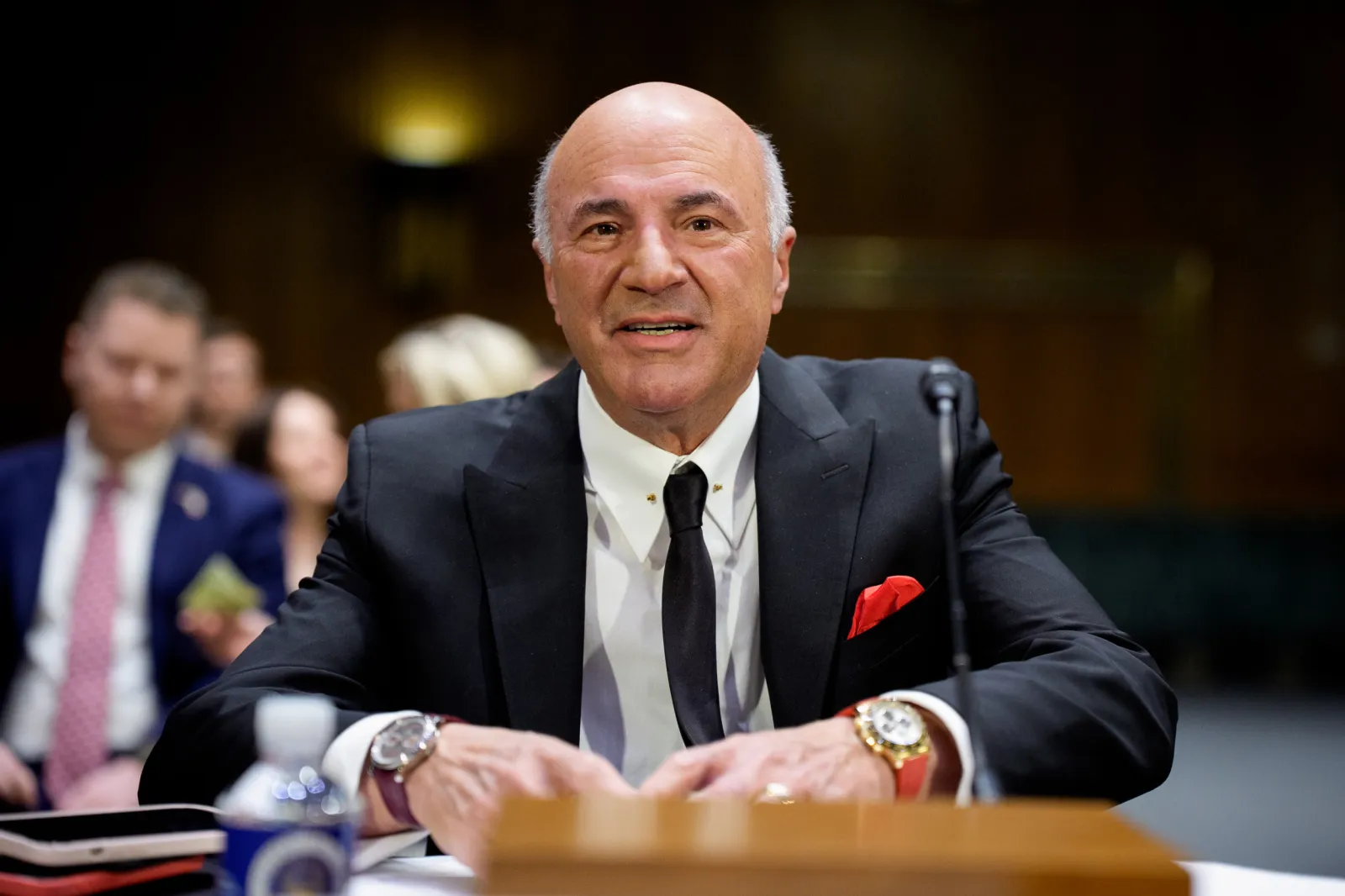
Canadian business owner Kevin O'Leary believes the effects of tariffs on recent inflation data could hurt the already stalled U.S. housing market.
In an op-ed for the Daily Mail on Sunday, the Shark Tank investor warned that last week's "crushing" inflation readings could reduce the likelihood of the Federal Reserve cutting interest rates this year, keeping mortgage rates at elevated levels.
"In fact, I'm betting there won't be a rate cut at all in 2025," he wrote. "And that will keep the U.S. housing market in its current state of stagnation."
Read More on U.S.
Why It Matters
Growing inventory and falling prices have weighed on the U.S. housing market this year. Mortgage rates—and by extension interest rates—have been cited as a key factor behind softer selling activity, deepening existing affordability challenges for buyers and cooling overall demand.
...
What To Know
O'Leary cited last week's inflation readings as an early signal that "the costs of sky-high tariffs will be passed on to consumers."
Last Tuesday, the Bureau of Labor Statistics reported that the core inflation rate had climbed by 3.1 percent year over year in July. Two days later, the Producer Price Index—which tracks inflation at the wholesale level—showed a 0.9 percent monthly increase in July, compared to a flat reading the previous month and exceeding forecasts of a 0.2 percent gain.
"In the short-term, U.S. companies have been absorbing the impact of President Donald Trump's tariffs," O'Leary wrote. "But that wasn't going to happen forever."
While rising prices are unlikely to have a direct effect on home prices and the housing market, O'Leary said such shaky inflation readings made it "less likely that Federal Reserve Chairman Jerome Powell will lower interest rates at the Fed's next meeting in September."
The central bank has held off on rate cuts this year despite pressure from Trump, holding firmly in "wait and see" mode as it seeks greater clarity on the effects of tariffs on inflation and the health of the labor market.
While mortgage rates have been dipping despite the Fed's cautious stance, these remain tied to borrowing costs and are still at elevated levels, a fact that has dissuaded many homeowners from upgrading and buyers from entering the market.
Housing inventory in the U.S. continues to surge to new post-COVID highs in 2025, according to data from Realtor.com. The data platform Cotality recently found that this surplus of listings had pushed the majority of listed homes to below their original asking prices.
"Those dynamics grind the gears of the housing markets to a slow crawl and—excluding pockets of the country, like Miami or Dallas Fort-Worth—they won't change until the Fed lowers rates and banks follow suit," O'Leary said. Given this, he advised any prospective buyers to downsize their expectations—"accept that you'll have to buy a smaller house, likely 30 percent smaller"—and to avoid purchasing a home that takes up more than a third of their monthly paycheck.
What People Are Saying
Bill Adams, the chief economist at Comerica Bank, said in comments shared with Newsweek following Tuesday's inflation data: "The Fed will likely see the July [Consumer Prices Index] report as a pebble on the scales against a rate cut in September."
He added: "Tariffs have had limited effects on inflation so far. But since tariff rates are up one day, down the next, then up even more the day after, it is too early to say how large their effect on prices will ultimately be. Some businesses are probably holding off on price increases while they wait to see where tariff rates settle out. But nobody goes into business to lose money, and companies will eventually pass on price increases one way or another."
Kevin O'Leary, a Canadian business owner and Shark Tank investor, wrote in the Daily Mail: "There is one more thing you can do to help buy the home of your dreams: move. Housing markets remain competitive in low taxes states like Tennessee, North Dakota, South Dakota, Florida and Texas.
"And government can do something else to help—tax breaks. In Canada, retirees don't have to pay capital gains taxes when they sell their primary residences, which allows for generational transition of housing from seniors to young people who are just starting out."
What Happens Next
The Federal Reserve's next rates meeting is scheduled for mid-September. According to a majority of economists polled by Reuters, the central bank is expected to announce its first cut of the year and to lower the benchmark interest rate by 25 basis points.
View 0 Comments
Submit Correction
View Editorial & AI Guidelines