...

By Amanda Greenwood
Associate News Editor
0
Share
Newsweek is a Trust Project member
See more of our trusted coverage when you search.Prefer Newsweek on Googleto see more of our trusted coverage when you search.
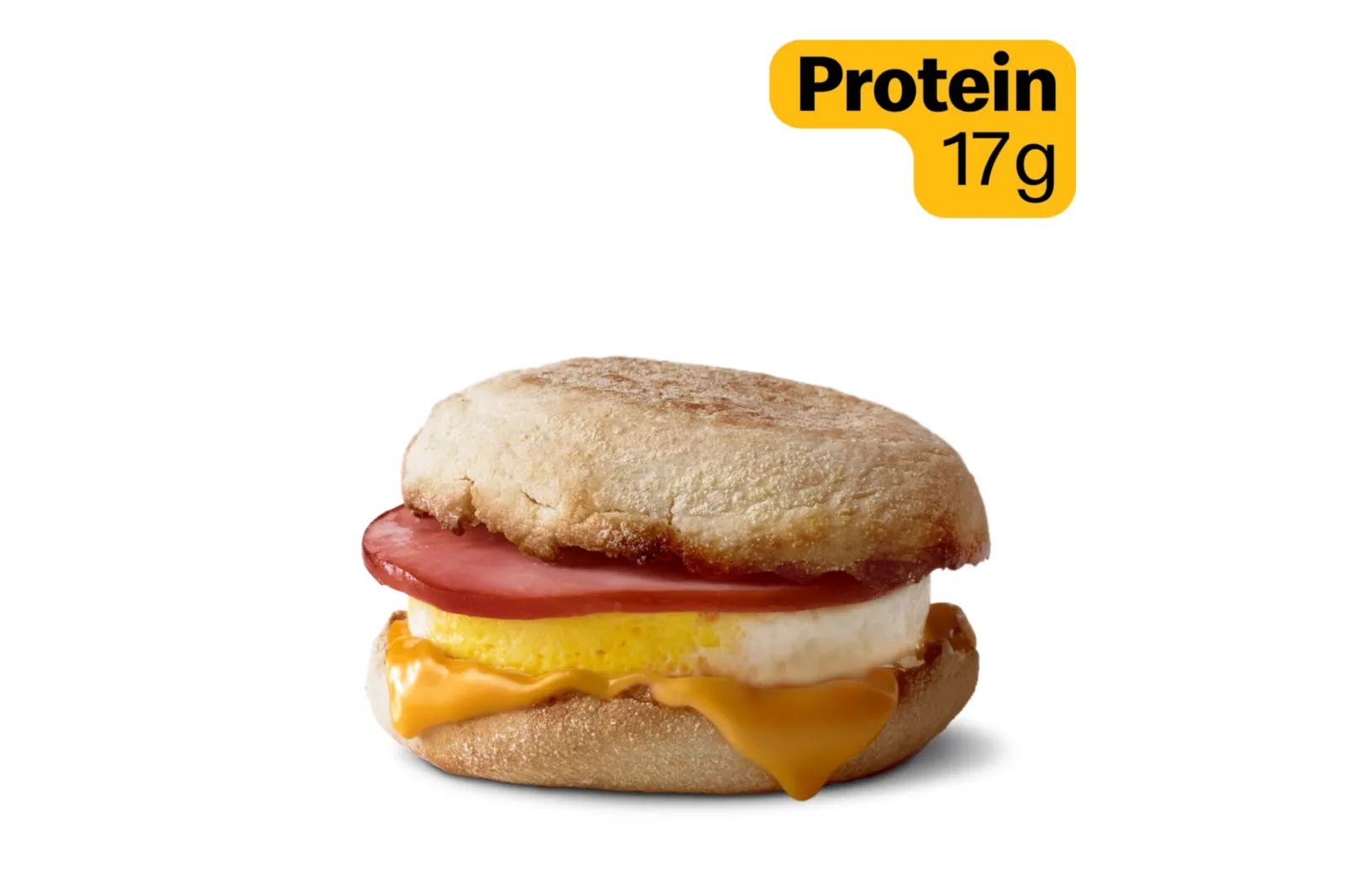
McDonald’s is rolling out new “protein callouts”—small visual badges that display the grams of protein on selected menu items in self‑order kiosks and the McDonald’s app—as the chain leans into the growing trend around protein-focused eating.
According to McDonald’s, the badges are designed to make ordering “clearer and simpler” for customers looking for higher‑protein choices, without changing the underlying menu. The company says the badges will appear on 17 menu items starting on April 21.
But early public rollouts have also sparked questions. Some items with relatively high protein don’t appear to have badges, while certain lower‑protein items do, according to NewsNation.
Read More on News
...
What the Protein Badges Mean for Customers
McDonald’s is positioning the new protein badges as a way to surface key nutritional information at the very moment people are making their ordering decisions, particularly through its app, self‑service kiosks, and online menus.
Rather than redesigning physical menu boards or altering recipes, the company is layering this information into these digital interfaces where customers are increasingly browsing, customizing, and making their orders.
For customers, the badges mean they can instantly see which menu items meet McDonald’s protein threshold—via a bright yellow badge—rather than having to find that information in a fuller nutrition table.
The approach caters to consumers who are actively searching for specific dietary priorities—such as higher protein intake—but may not want to dig through calorie counts or full nutritional breakdowns to get to that information
McDonald’s has framed the badges as a transparency‑and‑convenience measure. The company has not presented the badged items as “healthy” or “better for you,” instead focusing on making protein levels easier to spot at a glance.
However, the rollout feels slightly inconsistent and confusing. While the badges draw attention to protein content, they don’t highlight other nutritional factors such as sodium, fat or overall calorie load, which may matter to some customers.
Others note that highlighting protein on selected items may unintentionally boost certain menu choices without clear criteria being communicated. As a result, the badges may function as a marketing signal as much as a nutrition guide—useful for some customers, but not a comprehensive picture of what they’re ordering.
McDonald’s 'Protein-Badge' Menu Items
McDonald’s hasn’t yet confirmed all 17 menu items that will feature the new protein badge, but it has confirmed that at least 11 items will carry the sticker, according to The Hill.
These include:
- Egg McMuffin (17 grams of protein)
- Sausage Burrito (13 grams of protein)
- McDouble Sandwich (22 grams of protein)
- Cheeseburger (15 grams of protein)
- Filet‑O‑Fish (1 grams of protein)
- Three McCrispy Chicken Strips (30 grams of protein)
- Six Chicken McNuggets (14 grams of protein)
- Ten Chicken McNuggets (23 grams of protein)
- Ranch Snack Wrap (17 grams of protein)
- Spicy Snack Wrap (17 grams of protein)
- Four‑piece McNuggets Happy Meal (19 grams of protein)
McDonald’s says there are over 30 menu items containing more than 15 grams of protein overall, and encourages customizing orders (like adding an egg or an extra patty) to increase the protein content.
McDonald’s Menu Updates This Year
Alongside the new protein badges, since January, McDonald’s has debuted several new menu updates, some of which are only available for a limited time, including:
- Hot Honey Sauce and multiple Hot Honey menu items, such as the Bacon Hot Honey McCrispy Sandwich, the Hot Honey Snack Wrap, and the Hot Honey Sauce Dip Cup.
- Big Arch Burger, a “premium flavor experience” with two beef patties, cheese, crispy and silvered onions, and the “game-changing” sweet, tangy, and creamy Big Arch Sauce.
View 0 Comments
Submit Correction
View Editorial & AI Guidelines