...

By Giulia Carbonaro
Senior Reporter
0
Share
Newsweek is a Trust Project member
See more of our trusted coverage when you search.Prefer Newsweek on Googleto see more of our trusted coverage when you search.
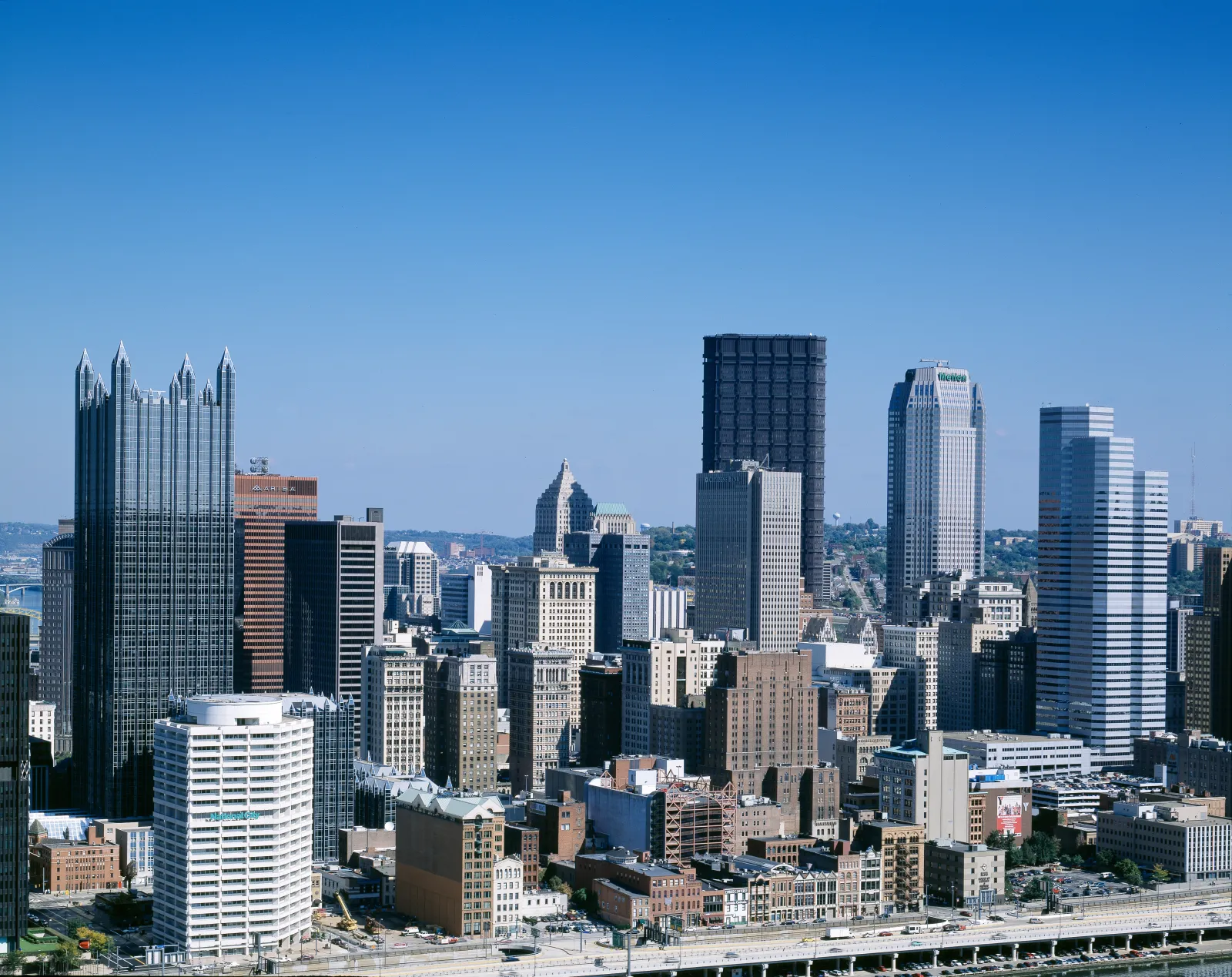
Pittsburgh, Pennsylvania, was named the cheapest place to live in the U.S. this year by mortgage lender AmeriSave, with the median price of a typical home in the city at $250,000, more than $150,000 below the national median.
It is yet another badge of honor for the city, which last year was found to be the only one in the country where a starter home cost less (by exactly $111) than rent.
"Pittsburgh remains a hidden gem. The secret to Pittsburgh is that it's a city that has been undergoing a transformation for more than 30 years," David Dean, the president of the Pennsylvania Association of Realtors and a Realtor with Howard Hanna Real Estate Services, told Newsweek.
Read More on News
"The city is an educational, health care and banking hub and is continuing to reimage what its future will look like," he added. "The housing stock is solid but may have been built 40 to 50 years ago. That may be keeping prices more affordable than areas that are building new, larger homes in this current market."
Most Affordable US Cities in 2026
These are currently the most affordable cities in the nation, according to AmeriSave, which weighed factors such as median home prices, median household income and cost of living:
- Pittsburgh, Pennsylvania
- Decatur, Illinois
- Enid, Oklahoma
- Fort Wayne, Indiana
- Des Moines, Iowa
- Oklahoma City, Oklahoma
- Wichita, Kansas
- Green Bay, Wisconsin
- Omaha, Nebraska
- Cedar Rapids, Iowa
In a list dominated by Midwestern and Southern cities, Decatur, Illinois, was the second most affordable city in the country, with an even lower median home sale price than Pittsburgh at roughly $89,855 and a cost of living equal to 90 percent of the national average.
Two cities in Oklahoma were in the top 10: Enid and Oklahoma City, respectively occupying the third and sixth place. The two cities have median home values between $143,000 and $200,000.
All these cities share a similar profile as Pittsburgh "as stable, midsize economies anchored by manufacturing, health care, or agriculture that largely missed the pandemic-era price run-up," Hannah Jones, a senior economist at Realtor.com, told Newsweek.
"As a result, homes are generally well within reach of a typical local salary," she said.
Iowa had four cities in the top 25 most affordable metros: Des Moines, Cedar Rapids, Ankeny and Davenport. These cities all have strong job markets in finance, insurance and manufacturing, according to AmeriSave.
How Pittsburgh Remains Affordable
Pittsburgh remains affordable as home prices explode across the country because the city has seen "steady, sustainable demand that has allowed home prices to grow at a measured pace" after the start of the pandemic, Jones said.
By contrast, many parts of the country—especially markets in the Sunbelt—saw a spike in demand that was followed, after the pandemic, by a quick cooldown.
"The metro's stable foundation has proven durable, with prices remaining relatively affordable even through the broader national surge," Jones added.
...
Growing Industries Attract Buyers
The city also owes some of its balanced, affordable-but-not-unappealing status to its "resilient industries like health care, technology and education," Michelle Senko, the president of the Realtors Association of Metropolitan Pittsburgh, told Newsweek.
"Historically, without the impact of extreme conditions, we tend to escape the unsustainable highs and subsequent dramatic downturns," she continued.
Pittsburgh is not an affordable market because buyers aren't interested. They are. According to Jones, "for-sale inventory remains below pre-pandemic levels in Pittsburgh and homes are moving quickly, signs that demand has kept some pressure on the market."
The relatively affordable home prices "continue to attract out-of-town investors," Senko said, "while our expanding industries draw talent seeking higher education opportunities and long-term career growth within their fields."
What she calls an "ongoing expansion" of the city is consistently driving up demand for construction, development and skilled leadership professionals, according to Senko.
The city's quiet success is allowing it to navigate "the national slowdown better than most," Jones said. "While many markets have stalled under the weight of weak demand and stretched affordability, Pittsburgh's relative affordability has kept buyers engaged and the market resilient."
While many may be attracted to the city by its low housing costs, there is more to Pittsburgh than that, Senko said.
"I believe the most unique and foundational aspect of our city is not only the moderate housing costs—often well below the national average—but also the quality lifestyle one can achieve in Pittsburgh," she said. "Living among big city amenities within a welcoming community that retains a friendly, hometown feel."
Correction 5/29/26, 3:59 a.m. ET: This article has been updated to refer to David Dean as the president of the Pennsylvania Association of Realtors.
View 0 Comments
Submit Correction
View Editorial & AI Guidelines