10
Loading video...

By Khaleda Rahman
National Correspondent
0
Share
Newsweek is a Trust Project member
See more of our trusted coverage when you search.Prefer Newsweek on Googleto see more of our trusted coverage when you search.
A map shows which Texas counties have the most automated license plate reader (ALPR) cameras as Republican governor Greg Abbott ordered state agencies to halt funding for Flock cameras.
It comes amid a widespread backlash against the surveillance technology company over concerns about privacy and abuse of its system by some police officers.
The Texas Tribune first reported Abbott’s order, saying it came as the outlet was preparing to publish an investigation on Friday about how a state agency has devoted at least $30 million to building up the state’s Flock surveillance network through grants to local police departments over the past three years.
Read More on News
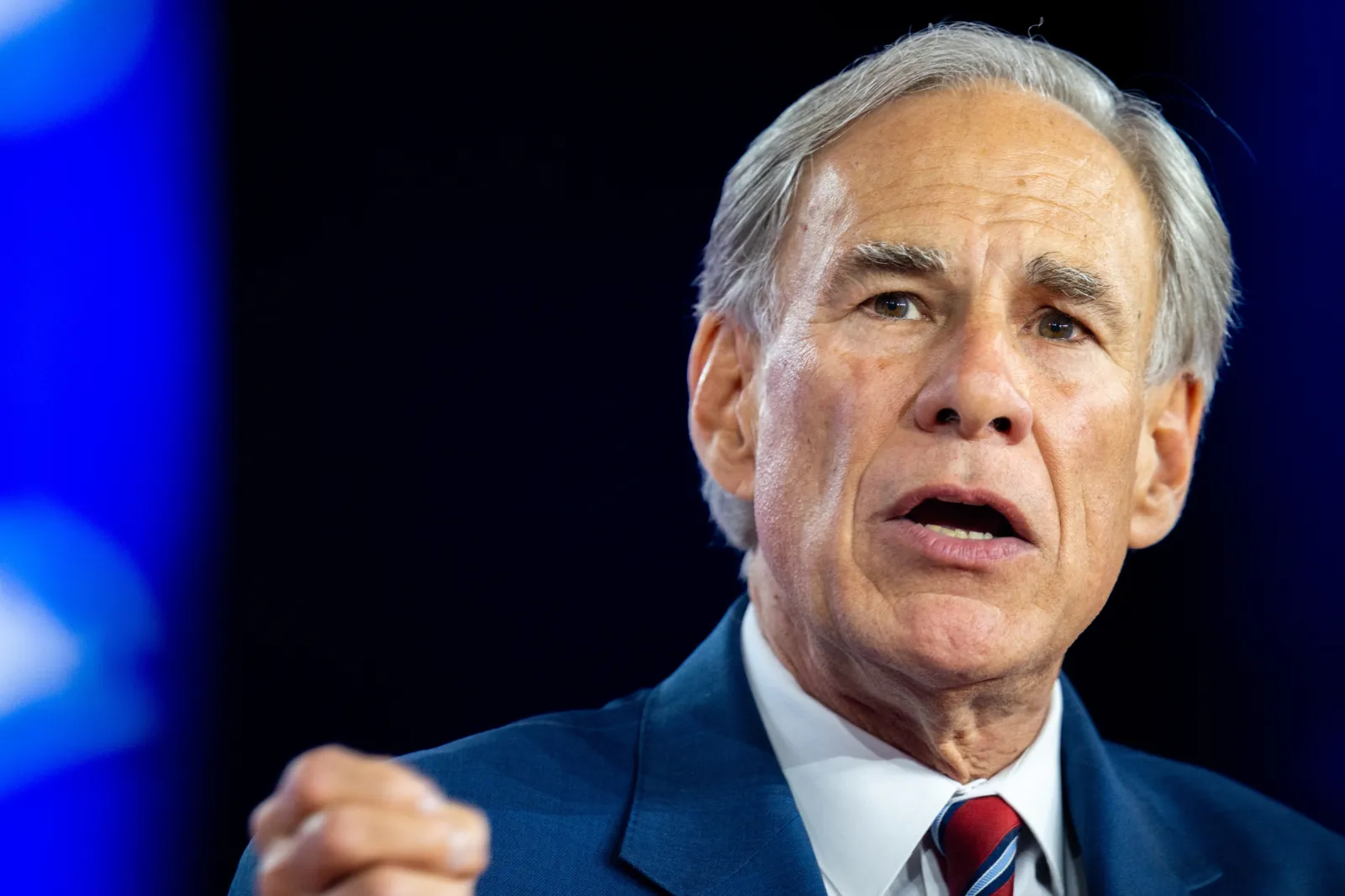
Abbott’s spokesman Andrew Mahaleris confirmed to Newsweek that the governor had told his agencies to no longer direct any state funding to Flock cameras.
"Almost all Flock cameras in Texas are used by cities, and those cities are increasingly canceling their contracts with Flock," he said in a statement. “To the extent that cities get any funding for those cameras, most of it comes from the federal government. To the extent any funding comes from Texas agencies, those agencies are clarifying that those funds cannot be used for Flock cameras."
...
'Accountability Guardrails'
A spokesperson for Flock Safety said in a statement to Newsweek that it supports "thoughtful legislation and strong privacy, transparency, and accountability guardrails that ensure technology is used responsibly while preserving law enforcement’s ability to use effective tools to keep people safe."
The statement added: "Flock’s technology is an important public safety tool for law enforcement agencies across Texas, helping officers solve serious crimes, find missing people, recover stolen vehicles, and support safer communities."
The Tribune reported on Friday that the Motor Vehicle Crime Prevention Authority, which is led by a board mostly appointed by Abbott, has helped install at least 3,200 Flock cameras since 2023.

...
According to the report, the agency has awarded grants to law enforcement agencies in the state to buy and maintain Flock cameras, thanks to revenue generated since the Texas Legislature passed a law in 2023 raising auto insurance costs for Texans by $1.
Which Counties Have The Most Cameras?
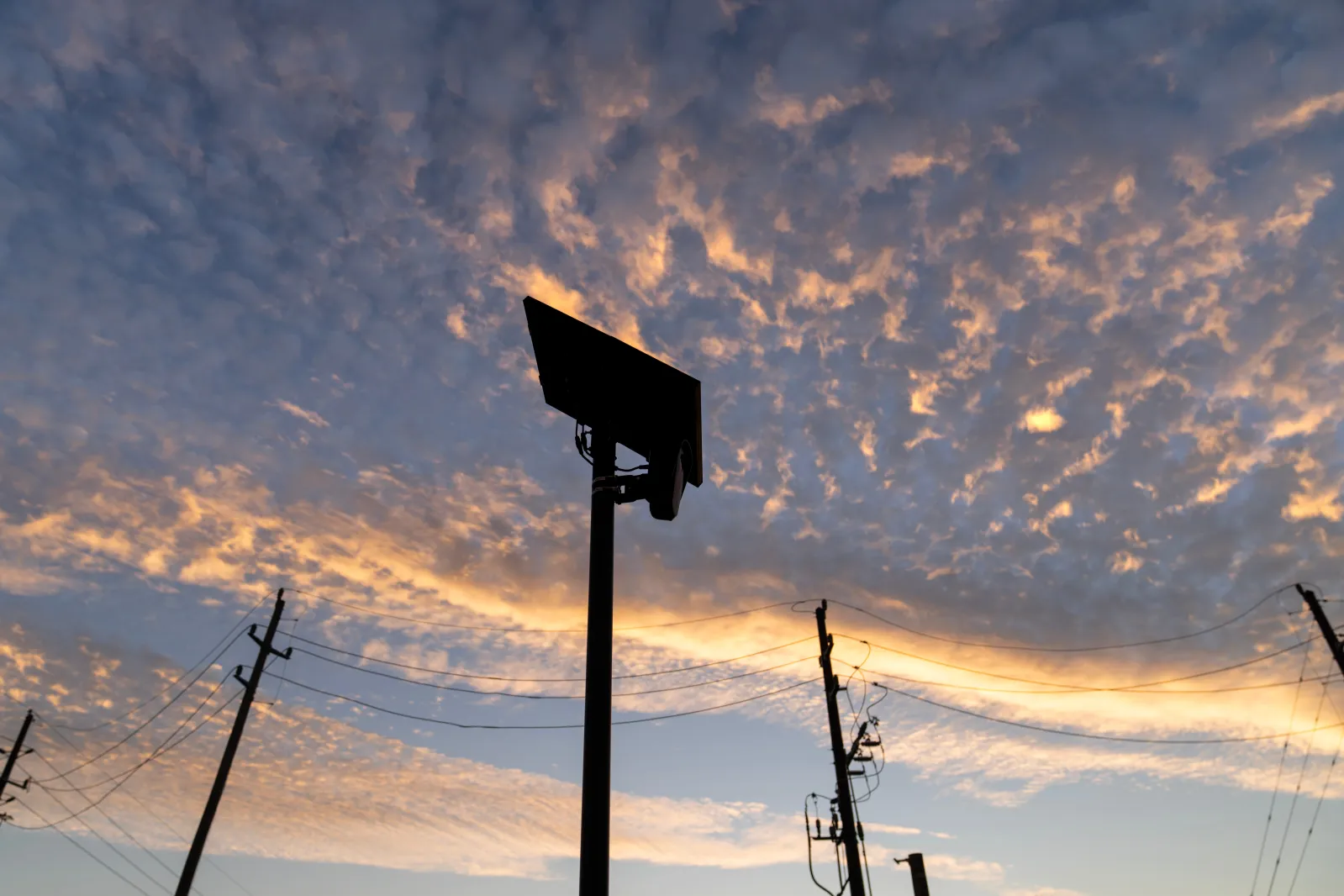
There are more than 13,500 ALPRs in 218 of Texas’ 254 counties, according to a database maintained by the Texas Privacy Coalition, a grassroots advocacy group.
The largest concentrations of Flock cameras and ALPRs are clustered in the state’s most populated counties.
Harris County, which includes Houston, leads the state with 3,546 community-mapped cameras, according to the database. Dallas County is second with 1,334 cameras, followed by Tarrant County with 949 cameras.
Other counties in the top 10 include Collin County with 603, Fort Bend County with 596, Denton County with 534, Bexar County with 433 and Travis County with 430. Montgomery County has 271, and Williamson County has 240.
Abbott Describes Crackdown
In an interview on Glenn Beck’s radio show on Friday, Abbott said there is a “crackdown” across the state as cities and counties have canceled contracts with Flock.
He noted the case of a Lufkin police officer facing charges for using Flock’s system to surveil a former girlfriend and other people.
Texans “deserve clarity about how these cities and counties are using” Flock cameras, he said.
"Citizens are concerned about their Fourth Amendment rights. They have to be protected. Their privacy must be protected. And no private person should have access to Flock cameras.”
...
He said: “This is something that is easily containable, easily controllable and we’re ensuring that whether it be through criminal crackdowns, whether it be through cancellation of contracts, whatever the case may be, Flock cameras are being reduced dramatically. They’re going to be required to be used responsibly if they’re used at all.”
But Abbott has been accused of being responsible for the spread of Flock cameras across the state.
Texas State Representative Gina Hinojosa, a Democrat who is running for governor, said in a recent post on X that Abbott “brought Flock to Texas.” In that post, she asked Abbott to “stop turning Texas into a surveillance state.”

...
Why Is Flock Under Scrutiny?
Flock Safety operates a vast nationwide network of automated cameras that record the license plate numbers and other characteristics of passing vehicles. The technology is used by thousands of law enforcement agencies in 49 states, allowing officers to search and share data across jurisdictions to assist investigations.
Police and other supporters say it helps solve crimes and locate missing people. However, critics, including lawmakers on both side of the political aisle, have raised concerns about the size of Flock's network and the amount of data the company's cameras capture, saying it enables mass surveillance and creates opportunities for misuse.
More than 50 cities and towns have deactivated, rejected or canceled Flock contracts since the beginning of the year, according to a tally by DeFlock, a grassroots group formed to track the use of the technology.
The backlash has come after a series of investigations and police misconduct cases raised new questions about who can search Flock's nationwide network and how that information can be used. It intensified after The Washington Post reported this month that it had identified nearly 50 instances of police officers charged or accused of using Flock’s system for unauthorized purposes, including stalking current or former romantic partners or family members.
Flock’s founder and CEO Garrett Langley has also come under fire over comments he has made in interviews responding to the scrutiny.
Langley has stressed that transparency and accountability are central to the company's approach, and has called for state lawmakers to pass legislation to make unauthorized use of Flock data a criminal offense.
Flock's "end goal isn’t a dystopian future of surveillance; it’s one where we all feel safe," he told Newsweek this month.
Flock Announces Changes
Earlier this month, Flock announced changes to its platform that aim to quell privacy concerns and address abuses.
Beginning January 1, all law enforcement customers will be required to use an audit tool designed to flag abnormal activity. When the system detects abnormal behavior, the user would be locked out pending an internal review.
“The goal is to intervene before misuse becomes recurring or widespread,” the company said.
The company also said it would shorten the standard data retention window from 30 days to seven, though data will be allowed to be preserved for longer when it is evidence tied to a case number.
Law enforcement customers will also be required to enter a code from their records management system tying each search to a specific case before it is run. Overrides for emergencies would be automatically flagged for review.
The changes will also allow customers to restrict which categories of crimes outside agencies can use when searching their data.
“For example, City A could allow City B to search its cameras only for a stolen vehicle, missing person, or violent crime while blocking searches related to immigration enforcement,” the company said. “This gives communities more control over data sharing while preserving collaboration where policies align.”
Critics said the changes could still leave room for police to abuse the system.
The shortened evidence retention window could be “a step in the right direction,” the American Civil Liberties Union said in a blog post.
It described several of the proposed changes as “retreads of previous inadequate safety measures.”
Contact Newsweek editor on this story: Edward Pearcey.
View 0 Comments
Submit Correction
View Editorial & AI Guidelines