
...

By Giulia Carbonaro
Senior Reporter
0
Share
Newsweek is a Trust Project member
See more of our trusted coverage when you search.Prefer Newsweek on Googleto see more of our trusted coverage when you search.
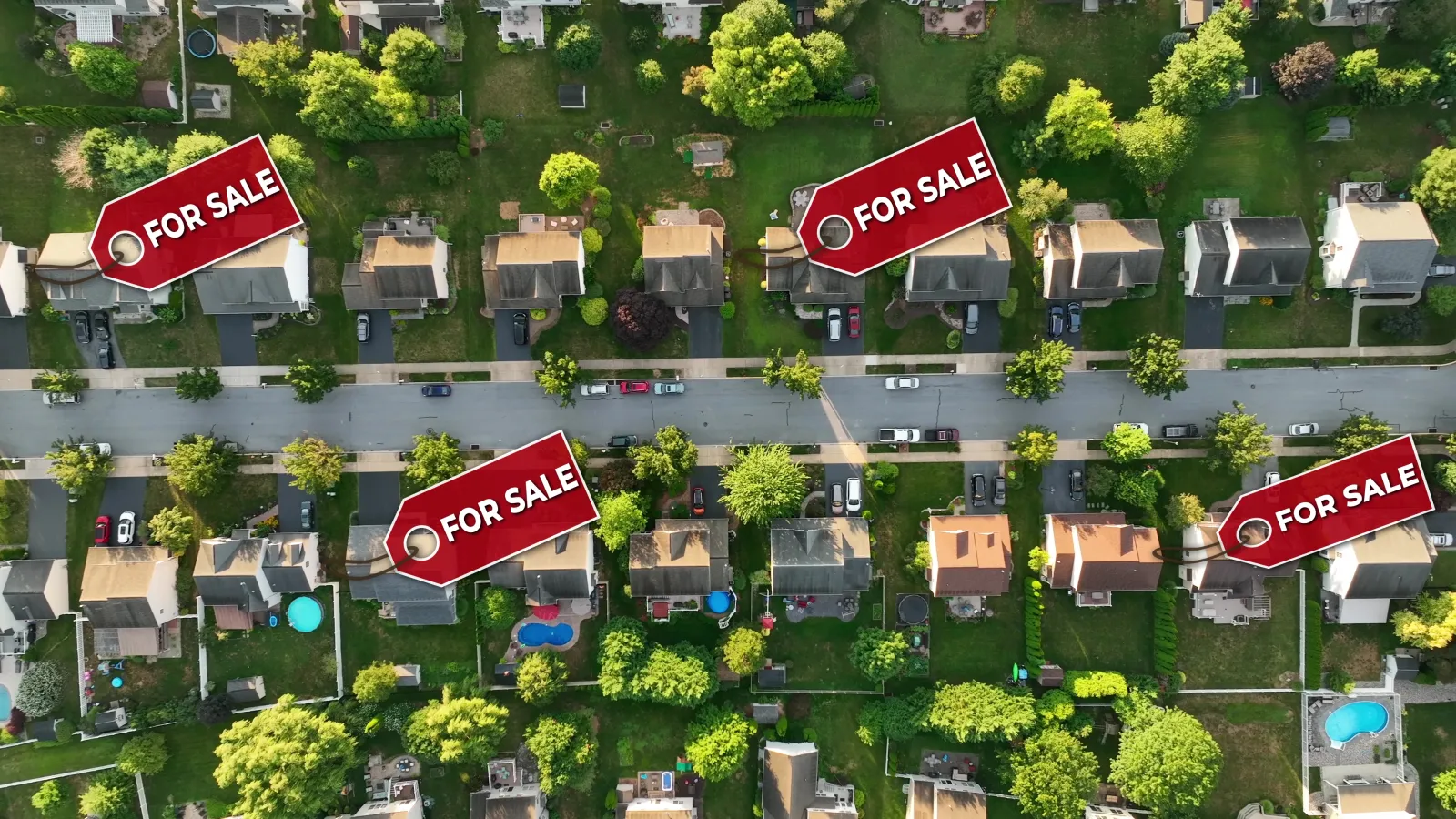
With the average mortgage rate once again above 6.5 percent and climbing, existing-home sales continued falling last month, according to the latest data, as strained affordability pushed homebuying out of reach for millions of Americans.
Sales of existing single-family homes, townhomes, condos and co-ops—which represent the vast majority of properties for sale in the U.S. market compared to new homes—slid 1.7 percent in July compared to June, even as it rose by a modest 0.7 percent from a year earlier, the National Association of Realtors (NAR) reported this week.
In total, 4.06 million existing homes were sold in July.
Read More on News

...
It is yet the latest sign that home sales have underperformed this summer, especially considering housing experts thought 2026 would bring about a sort of renaissance for the market thanks to modest improvement in affordability. Mortgage rates were supposed to dip to just below 6 percent, experts said last year, and home price growth to slow down enough for wages to keep up.
But home price growth reported the 37th consecutive month of year-over-year increases in July, with the median sales price for an existing-home at $434,100, according to NAR.
The 30-year fixed-rate mortgage averaged 6.69 percent last week, the fifth consecutive week of increases after rising from 6.43 percent to 6.66 percent over the course of July.
As a result, U.S. would-be buyers are sticking to the sidelines and home sales are struggling to pick up.
...
America's Housing Regional Divide: Winners and Losers
The U.S. housing market is deeply divided between regions that have seen a significant rebound in inventory during the pandemic—a movement led by Southern states like Florida and Texas—and those where supply shortages remain acute, particularly the Northeast and the Midwest.
Not only is inventory is tight in the Northeast and the Midwest, but these regions are seeing consistently high demand, especially the Northeast. This was the only region in the country where existing-home sales increased in July, up 2 percent from June.
In the Northeast, demand defeats ongoing affordability struggles: sales increased even as home prices in the area surged 5.2 percent compared to a year ago, according to NAR’s data.
Existing home sales in the Midwest, which remains popular thanks to its affordability, actually fell 2 percent in July from June, but “the region continues to outperform many other parts of the country” thanks to its relatively low median home prices, NAR wrote.
...
“In smaller cities, and particularly in the Midwest, an annual household income of $60,000 would be sufficient to buy a median-priced home,” NAR’s chief economist Lawrence Yun said in a statement.
The median sale of a home was $342,900 last month, up 2.8 percent from a year earlier; sales were up 2.1 percent from a year earlier.
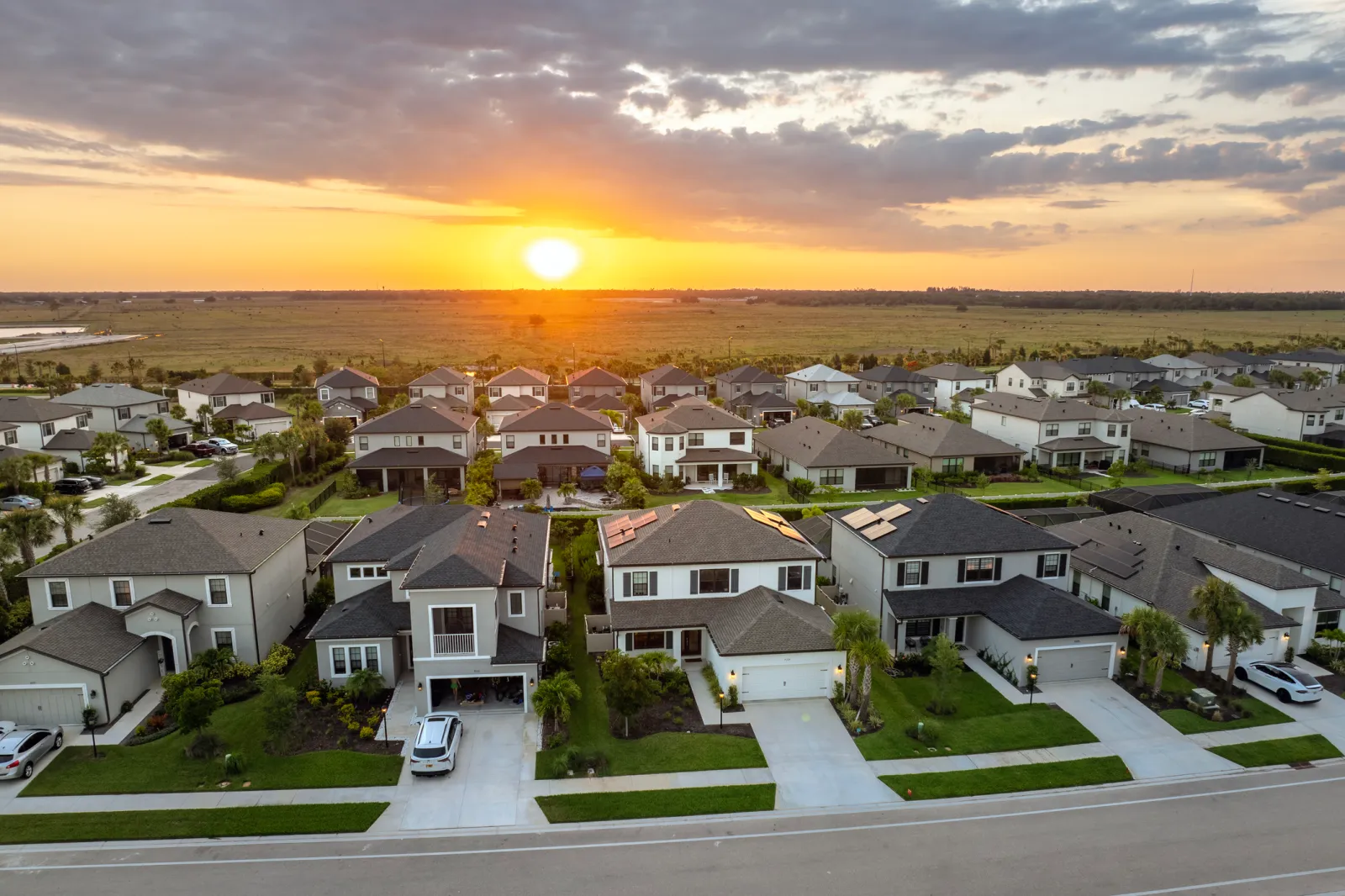
In the South, which has experienced a stark price correction after new homes flooded the market toward the end of the pandemic right when the influx of newcomers was slowing down, existing-home sales were down 3.1 percent in July from June to an annual rate of 1.86 million.
Sales were unchanged from a year ago. The median price of a home in the South was $371,700, up 0.9 percent from a year earlier.
The West, a largely expensive region that many remote workers left during the pandemic, has been struggling as well, though less than the South. Existing-home sales were unchanged in July compared to June, holding at an annual rate of 730,000, but they were up 1.4 percent compared to a year earlier.
The median sale price of a home was $622,200, up 0.2 percent from a year earlier.
What Happens Next
The housing market has been left stuck after the expected improvement in affordability predicted by experts failed to materialize this year, even as buyers are in a stronger position than last year as sellers are adjusting their asking prices lower.
But whether sales will bounce back this year or not will largely depend on what happens with mortgage rates.
“There’s no doubt the housing market would be thriving if average mortgage rates were to return near 6 percent,” Yun said.
Contact Newsweek editor on this story: Edward Pearcey.
View 0 Comments
Submit Correction
View Editorial & AI Guidelines