
By Hugh Cameron
Reporter
0
Share
Newsweek is a Trust Project member
See more of our trusted coverage when you search.Prefer Newsweek on Googleto see more of our trusted coverage when you search.
With house prices and affordability pressures keeping many on the sidelines of the property market, millions of Americans are pushed into what has become an increasingly competitive U.S. rental market.
According to new research from the website ConsumerAffairs, some states fare far better when it comes to providing affordable housing for their renters, with others excelling in terms of tenant protections and the quality of life these residents enjoy.
Why It Matters
The administration has outlined its intention to boost homeownership in the U.S., attempting to lower mortgage rates with bond-buying programs and increase inventory with bans on large institutional investors purchasing single-family homes. But while President Donald Trump has vowed to prevent the country becoming “a nation of renters,” currently around a third of housing in the U.S. is renter-occupied.
Read More on U.S.
What To Know
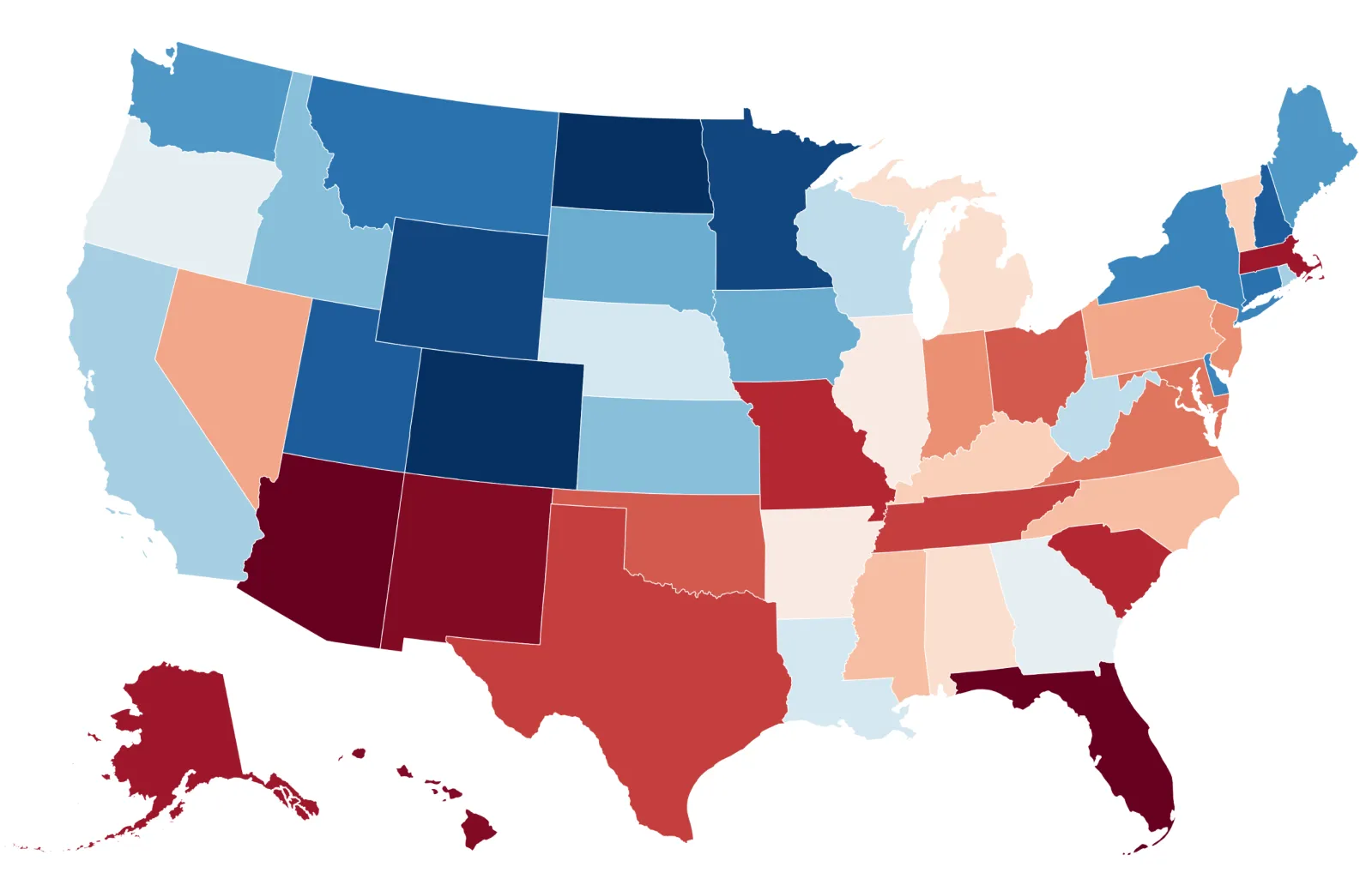
In creating its rankings of the best states for renters, ConsumerAffairs drew on data from the U.S. Census Bureau, the National Low Income Housing Coalition (NLIHC) and other sources. Each state was scored along four metrics—affordability, availability, the quality of life enjoyed by renters and tenant protections—with success in these combined into an overall score out of 100 that determined their position on the nationwide rankings.
For the third year running, North Dakota placed top on the list, in part due to what ConsumerAffairs described as its “outstanding affordability and rental availability.” The state scored first in these categories, with its median rent of $954 well below the national average of $1,413, and residents spending only 23.7 percent of their income on rent—the lowest in the country.
Despite boasting an above-average median rent of $1,761, Colorado was able to place second thanks to its tenant protections—being one of only five states with laws restricting the timing, frequency or size of rent increases, researchers said.
Minnesota came in third, offering “a vibrant balance of affordability, tenant protections and quality of life,” with Wyoming and Utah rounding out the top five.
Contrastingly, Florida has fallen to the bottom spot from 48th in last year’s rankings, largely due to affordability issues and weak scores across the tenant protections and quality of life categoies. Florida’s median rent of $1,669 is the eighth highest in the nation, and rental costs take up 37.4 percent of residents’ income.
“Florida also ranks last for tenant protections,” researchers added, “with no state laws to protect renters in the four areas we evaluated.”
Florida is followed by Arizona, New Mexico, Hawaii and Massachusetts—each suffering from either above-average costs, limited housing availability, poor quality of life for renters, subpar tenant protections, or an unfortunate combination of these factors.
What People Are Saying
ConsumerAffairs researchers wrote: “The top-ranked states are far from a monolith. Instead, they represent a range of rental environments, each offering renters unique benefits. States like top-ranked North Dakota sweep certain key categories but land in the middle of the pack for others, while third-ranked Minnesota represents a more even balance across the core areas we evaluated.”
What Happens Next
Rent prices have been trending down nationally in recent months, according to research from Apartment List, falling 1.7 percent in March compared to a year prior. With vacancies high and inventory elevated, the online rental marketplace predicted that pricing conditions will remain soft or decline slightly over the next few months, before potentially stabilizing if supply slows and demand increases.
View 0 Comments
Submit Correction
View Editorial & AI Guidelines