
By Aliss Higham
Reporter
0
Share
Newsweek is a Trust Project member
See more of our trusted coverage when you search.Prefer Newsweek on Googleto see more of our trusted coverage when you search.
A number of U.S. states have enacted laws or policies restricting student cellphone use in K–12 classrooms.
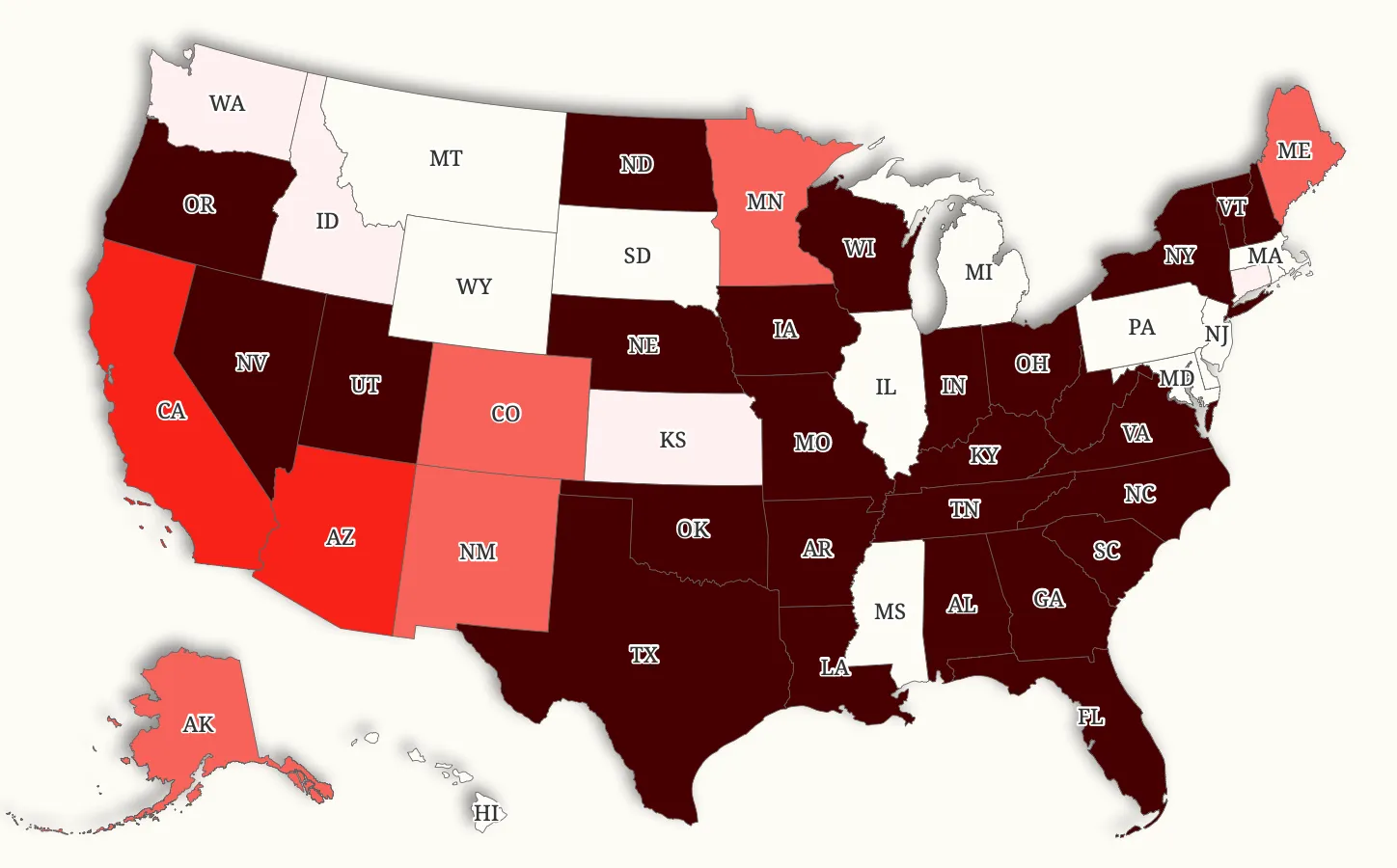
These restrictions range from full statewide bans to guidelines encouraging districts to limit usage. Altogether, 26 states have mandated full bans on phones being used in schools, with others having varying degrees of phone usage allowed on school campus.
Supporters of stricter cellphone restrictions in schools say the measures can boost academic performance and support student mental health. Critics, however, warn that full bans may create safety risks by limiting students’ ability to contact family during emergencies, and suggest that teaching healthier device habits might better serve today's students.
Read More on News
According to a Pew Research Center study in 2025, 75 percent of U.S. adults said they support banning middle and high school students from using cellphones during class, up from 68 percent last fall. Just 19 percent oppose such bans, while 7 percent say they are unsure.
"Cellphones can have both positive and negative effects on school-aged students, including their digital literacy and development," Nancy Bradley, associate director at the Office of Academic Programs in the Virginia Tech School of Education, told Newsweek. "Digital literacy skills including navigating apps and websites and evaluating online information is a key component of general skills development for school-age students. Students are carrying in their pockets computers that previously filled entire rooms. They can be both an asset to learning and a hindrance.
"We need to teach students how to self-regulate cellphone use not only for the time they are in school but also for their future whether that be entering the workforce, going on to higher education, or going into the military."
Full Bans
The 26 states with full-day "bell-to-bell" bans prohibiting students from using personal devices during school hours are, according to Ballotpedia: Alabama, Arkansas, Florida, Georgia, Iowa, Indiana, Kentucky, Louisiana, Missouri, Nebraska, Nevada, New Hampshire, North Carolina, North Dakota, Ohio, Oklahoma, Oregon, South Carolina, Tennessee, Texas, Utah, Vermont, Virginia, West Virginia, Wisconsin, and New York.
Sometimes exceptions to the all-day bans are made for medical or emergency needs.
Limits During Classroom Instruction
Some states have chosen to limit cellphone use during instructional time, rather than banning devices entirely. Arizona, California, and Ohio fall into this category, restricting usage in classrooms to ensure that students remain focused during lessons, while allowing access at other times such as lunch.
Policies Encouraging District Action
Several states have enacted resolutions or guidance that encourage districts to adopt their own cellphone policies, rather than mandating a statewide ban. This approach allows local school boards to tailor restrictions to their communities. States taking this approach include Alabama, Idaho, Kansas, Connecticut, Maine, Minnesota, New Mexico, and Washington.
States Without Current Restrictions
Many states have not enacted statewide limits on student cellphone use and leave the matter to individual districts. These include Delaware, Hawaii, Illinois, Maryland, Massachusetts, Michigan, Mississippi, Montana, New Jersey, Pennsylvania, Rhode Island, South Dakota, and Wyoming, according to Ballotpedia. Even if there is no statewide policy, schools may still choose to implement policies at the local level.
View 0 Comments
Submit Correction
View Editorial & AI Guidelines