...


By Sam Stevenson and Matthew Robinson
0
Share
Newsweek is a Trust Project member
See more of our trusted coverage when you search.Prefer Newsweek on Googleto see more of our trusted coverage when you search.
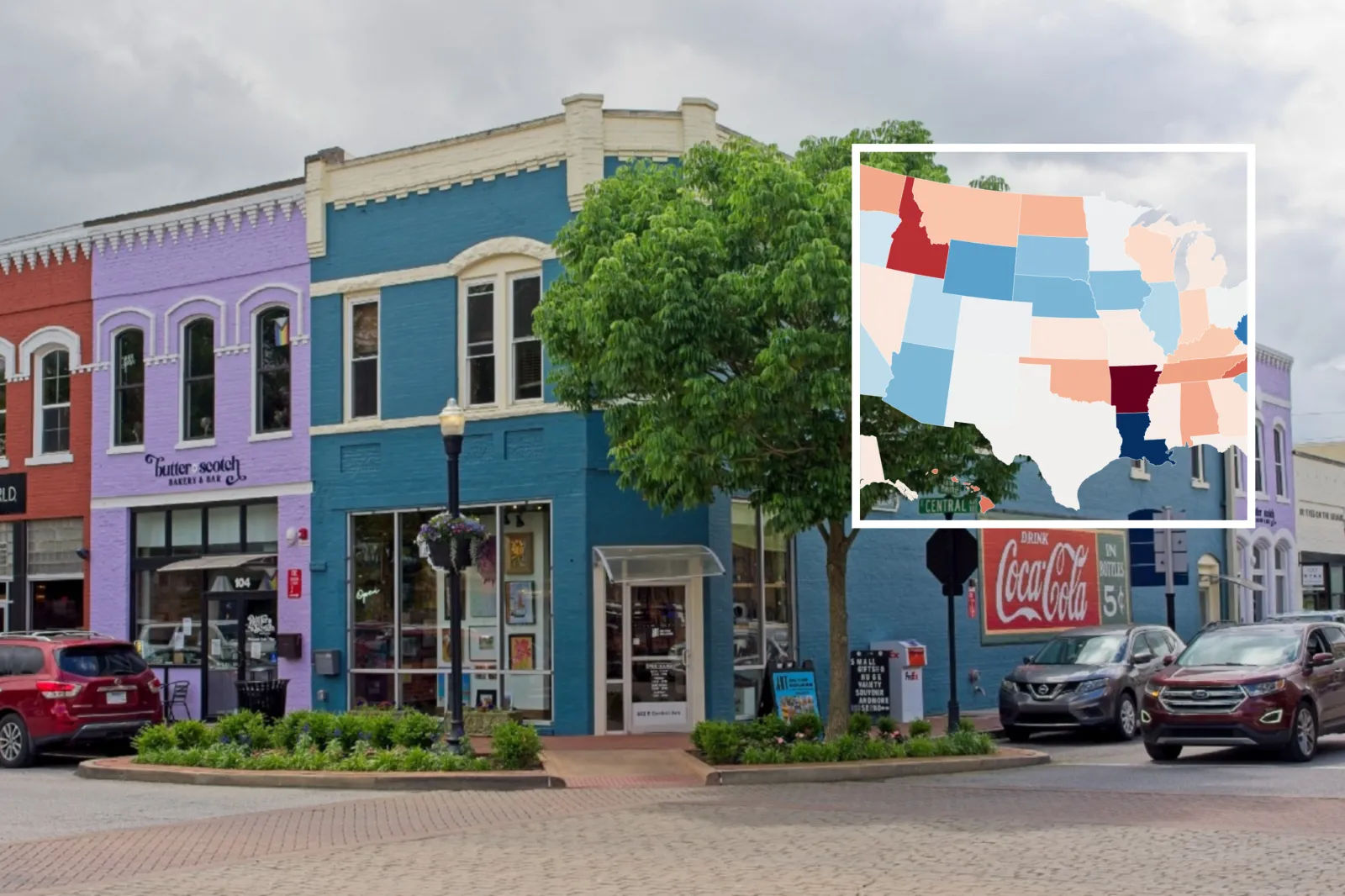
A new map shows which states most Americans have moved to—and from—in 2025.
Migration patterns across the United States reveal critical trends affecting state economies, real estate markets, and even political representation.
Read More on News
What To Know
In 2025, Americans moved at historically low rates, but noticeable patterns emerged in the states where people chose to relocate.
As fewer Americans move compared with decades past, the motivations and destinations for interstate relocation are shifting—driven by affordability, job opportunities, lifestyle changes, and family considerations.
Tracking these moves helps explain demographic changes, regional growth, and economic pressures across the nation.
New data from Atlas Van Lines shows that Arkansas, Idaho, and North Carolina saw the highest share of inbound moves.
Meanwhile, Louisiana, West Virginia, and Wyoming recorded the most outbound moves this year.
Additional moving company reports from Allied Van Lines, moveBuddha, and Realtor.com further illustrate the overall "lock-in effect," where high housing prices and interest rates have discouraged many homeowners from moving, except for those in more affluent or flexible positions.
According to Atlas, the top inbound states for 2025 were:
- Arkansas
- Idaho
- North Carolina
- Hawaii
- Washington, D.C.
- Tennessee
- Washington (state)
- Alabama
- North Dakota
- New Hampshire
Conversely, the states with the highest proportion of outbound moves were:
- Louisiana
- West Virginia
- Wyoming
- Delaware
- Nebraska
- Arizona
- Iowa
- Oklahoma
- South Dakota
- South Carolina
Notably, over two-fifths of interstate movers to Arkansas settled in Bentonville, home to Walmart’s corporate headquarters.

...
This trend aligns with the findings from moveBuddha, which reports South Carolina, Idaho, and Alaska as leaders for the highest in-to-out ratios in 2025, and notes surging interest in smaller “micro-destinations” like Myrtle Beach, South Carolina, and Ocala, Florida.
Meanwhile, the National Taxpayers Union Foundation, analyzing IRS migration data (2021-2022), cited Florida, Texas, North Carolina, South Carolina, and Tennessee as the fastest-growing states for inbound migration, while California, New York, Illinois, Massachusetts, and New Jersey saw the steepest declines.

...
What People Are Saying
Jack Griffin, CEO of Atlas World Group, said: “Looking ahead, we expect slow improvement as [mortgage] rates stabilize, but the 'why' behind moves is shifting to more lifestyle and family-based decisions.”
A spokesperson for the National Taxpayers Union Foundation said: “Migration between states is the ultimate expression of revealed preferences—while many politicians and pundits may claim that tax-and-spend policies are what Americans want, the reality is that, year after year, there is steady movement from high-tax states to more fiscally responsible ones. Taxpayers want to live in states that do not treat them as endless sources of funding for politicians’ pet projects.”
What Happens Next
It is uncertain whether the interstate migration patterns observed in 2025 will persist. Experts at moveBuddha forecast that in 2026, Alaska and South Dakota could see increased inbound migration, as Americans continue seeking lifestyle and affordability driven destinations.
Further data from United Van Lines and other moving companies is expected in early 2026, which may clarify whether these migration shifts are accelerating or beginning to plateau.
View 0 Comments
Submit Correction
View Editorial & AI Guidelines