...

By Dan Gooding
Associate News Editor
0
Share
Newsweek is a Trust Project member
See more of our trusted coverage when you search.Prefer Newsweek on Googleto see more of our trusted coverage when you search.
The Trump administration ended deportation protections for another country this week—South Sudan—as it seeks to halt a program the president sees as having been abused by his predecessor.
In an announcement on Wednesday, U.S. Citizenship and Immigration Services (USCIS) said that conditions in South Sudan had improved enough to allow roughly 230 immigrants with Temporary Protected Status (TPS) to return home.
"Terminating TPS is upending the lives of hundreds of thousands of people, pulling vital workers from key sectors of the U.S. economy and creating deep uncertainty for both recipients and employers," Jennie Murray, President and CEO of the National Immigration Forum, told Newsweek in a statement. States like Florida and Texas will face the brunt of the impact. Congress must pass long-term solutions to allow TPS recipients to keep working and living legally in the U.S."
Read More on News
Why It Matters
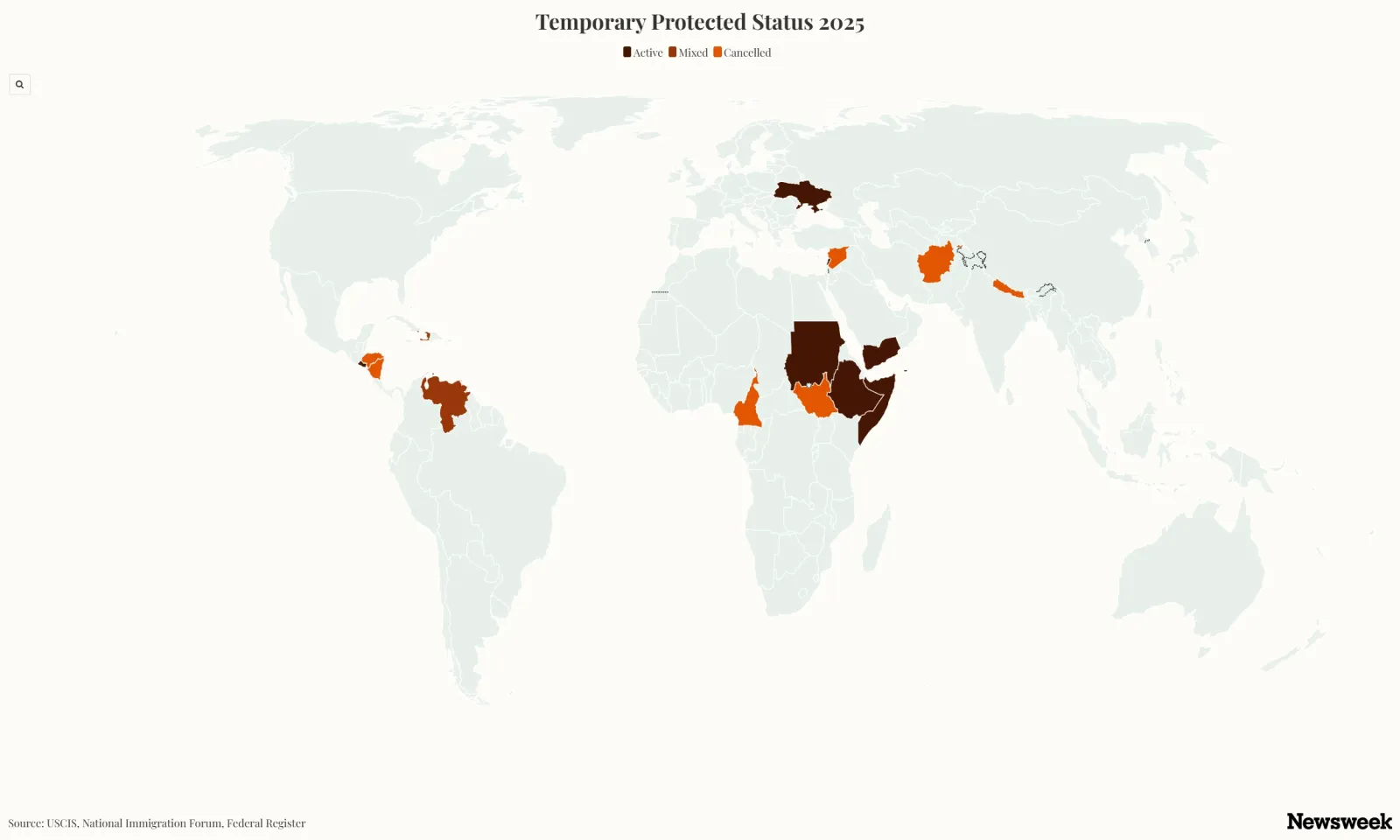
Since January, the Trump administration has cancelled, or attempted to cancel, TPS for nine countries. Hundreds of thousands of immigrants previously allowed to stay and work legally in the U.S. have been told to leave, some after many years.
What To Know
TPS has historically been granted to countries dealing with ongoing armed conflicts, environmental disasters, and political unrest. Around 16 countries were on the list when President Donald Trump returned to the White House in January.
Trump took issue with the way the Biden administration had used TPS, arguing that multiple extensions of TPS designation for different countries had led to abuse, even going as far as to say that those with TPS were really in the U.S. illegally. Several countries saw their TPS status extended during his first term.
Under immigration law, the Secretary of Homeland Security has the power to extend TPS status every 18 months or allow it to lapse. Current Secretary Kristi Noem has opted for the latter, as various countries have come up for renewal, most recently South Sudan.
Similar arguments have been made by Noem and DHS that conditions that had led to TPS being granted in the first place have improved, and so the protections are no longer needed.
TPS, by its very name and nature, is temporary, but immigration advocates have argued that many of those in the program face difficulties adjusting their U.S. immigration status when they want to remain in the country long term, and that returning to their home countries is not a safe option for them or their families.
Those advocates are among the plaintiffs who have brought legal challenges against the Trump administration for trying to revoke TPS for various countries, including Venezuela and Haiti—two countries the U.S. Department of State still warns Americans about traveling to, despite determining they are safe enough for Venezuelans and Haitians to return to.
Noem has also ended TPS status for Nicaraguans, Hondurans, Afghans, and Cameroonians, all under similar determinations of improved conditions.
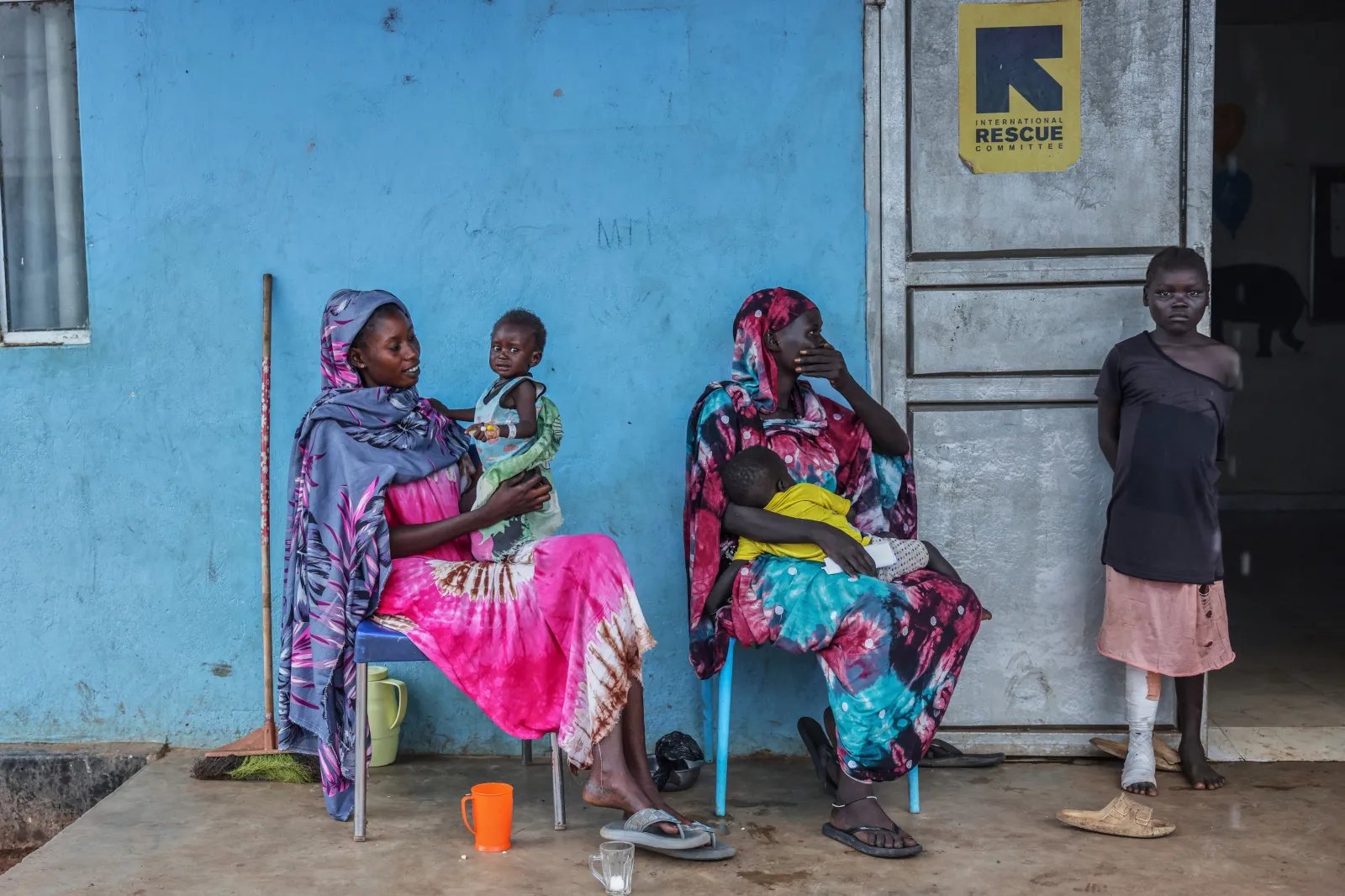
As for South Sudan, a senior United Nations official said earlier this week that the ongoing conflict in Sudan is causing destabilization in South Sudan, including armed clashes and food insecurity.
...
What People Are Saying
Julia Gelatt, associate director of the U.S. Immigration Policy Program at the Migration Policy Institute, told Newsweek: “Litigation is keeping some grants alive for the time being. Haitians have TPS through early February thanks to ongoing litigation. And some Venezuelans, who applied to renew earlier this year, had their TPS extended through early April. But all face the shadow of losing their protections and work authorization and face stark choices about what comes next, and whether it's feasible to continue their lives in the United States.
“The TPS terminations and litigation are also having a big impact on employers who are often left confused about which of their workers are still okay to employ and which are not. Employers in some places and some industries may be left struggling to find workers, given the combined effect of TPS terminations and the termination of humanitarian parole status for equally large numbers of noncitizens.”
USCIS, in its announcement Wednesday: "South Sudanese nationals leaving the United States should use the U.S. Customs and Border Protection CBP Home Mobile App to report their departure from the United States and take advantage of a safe, secure way to self-deport that includes a complimentary plane ticket, a $1,000 exit bonus, and potential future opportunities for legal immigration."
Guang Cong, deputy special representative to the secretary-general of the UN Mission in South Sudan (UNMISS), told the U.N. Security Council on Wednesday: "The conflict in Sudan continues to impact the security situation in South Sudan with cross-border movements of armed groups on both sides, increasing the insecurity in and around the border area.'"
What’s Next
USCIS said that the South Sudanese nationals in the U.S. will have legal status until January 5, 2026, but that they should self-deport as soon as possible. Legal challenges may follow, in a similar vein to those which have prevented terminations for TPS holders from Venezuela and Haiti.
View 0 Comments
Submit Correction
View Editorial & AI Guidelines