...

By Kiyomi Hawley
0
Share
Newsweek is a Trust Project member
See more of our trusted coverage when you search.Prefer Newsweek on Googleto see more of our trusted coverage when you search.
So many brides are excited for June weddings. I was a summer bride myself—but I married a photograph.
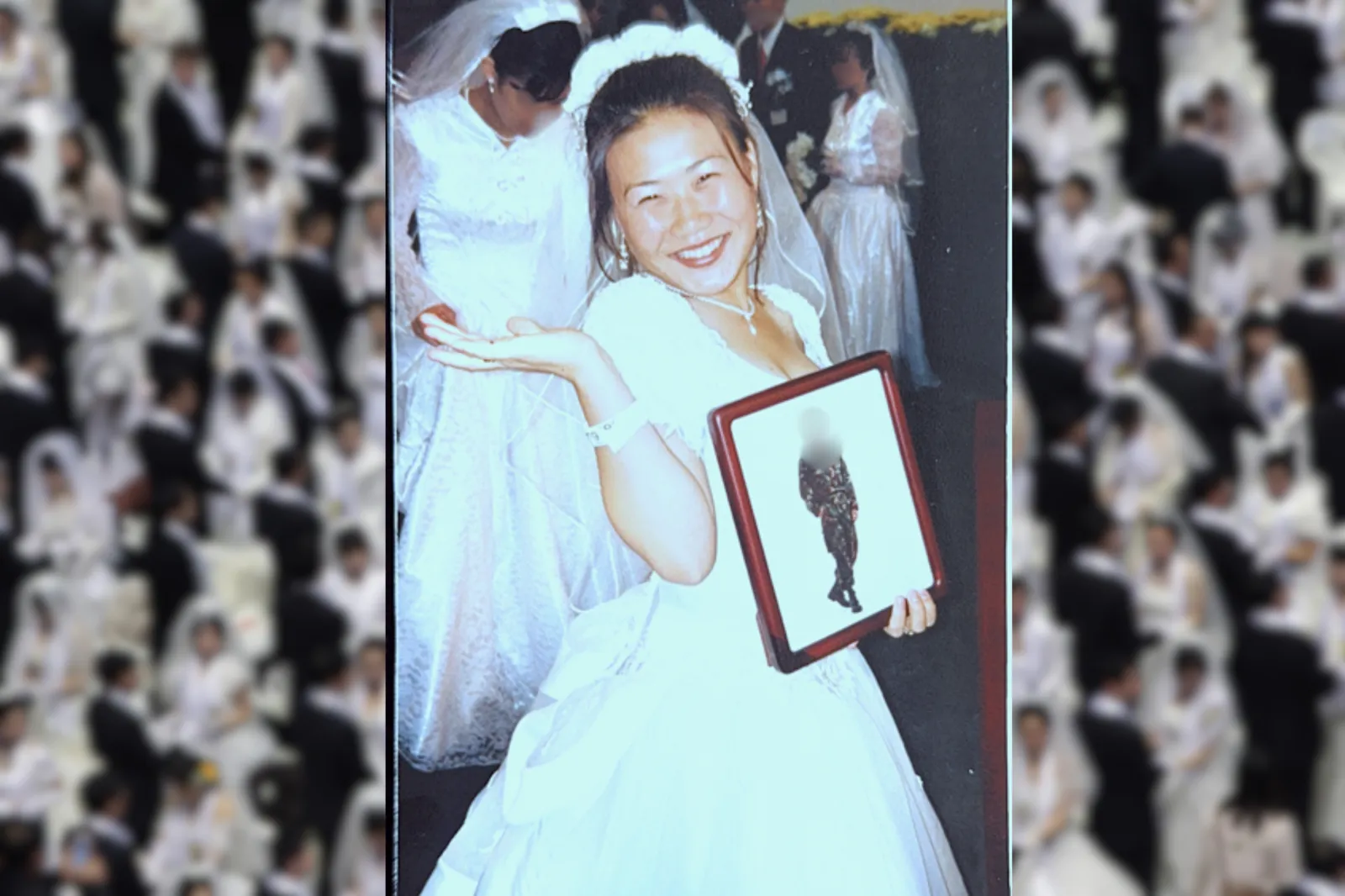
At the Holy Blessing ceremony of the Unification Church, I stood quietly with 3,000 other couples before Reverend Sun Myung Moon. But my betrothed couldn’t be there, so I was alone in my white dress holding up the picture of a man I knew not much about, other than he didn’t speak my language. I was 20 years old.
Months prior, I’d been anxious yet hopeful. A little excited, even. As a Japanese-American girl growing up in New York, born into this controversial religious movement, I’d wished upon a star for my true love. Now I was going to find out who he was. Would he be handsome? Kind? I’d been taught this union was my ultimate purpose.
Read More on My Turn
A Teacher Sexually Harassed Me. One Coach’s Decision Changed Everything7 min read

I Was a Healthy Doctor. I Never Expected to End Up in a Wheelchair5 min read

I Was Intubated After Giving Birth. What Followed Was a Living Nightmare9 min read

After I’d dutifully sent in my 8x10 headshots and full-body photos, my parents paid the several thousand dollars due to the church for the arrangement. Then I’d waited, patiently at first. I went wedding dress shopping. I was told who my match was just three days before the ceremony. And I learned I’d be marrying my husband before ever laying eyes on him.
I was in an endless stream of brides in white meringue gowns following grooms in black licorice suits, making our way toward Madison Square Garden on foot through Manhattan. A few people stopped or stared since our leader, whom we called True Father, was known for the many mass weddings he’d orchestrated throughout the years. His infamous celebrations were well covered by the media.
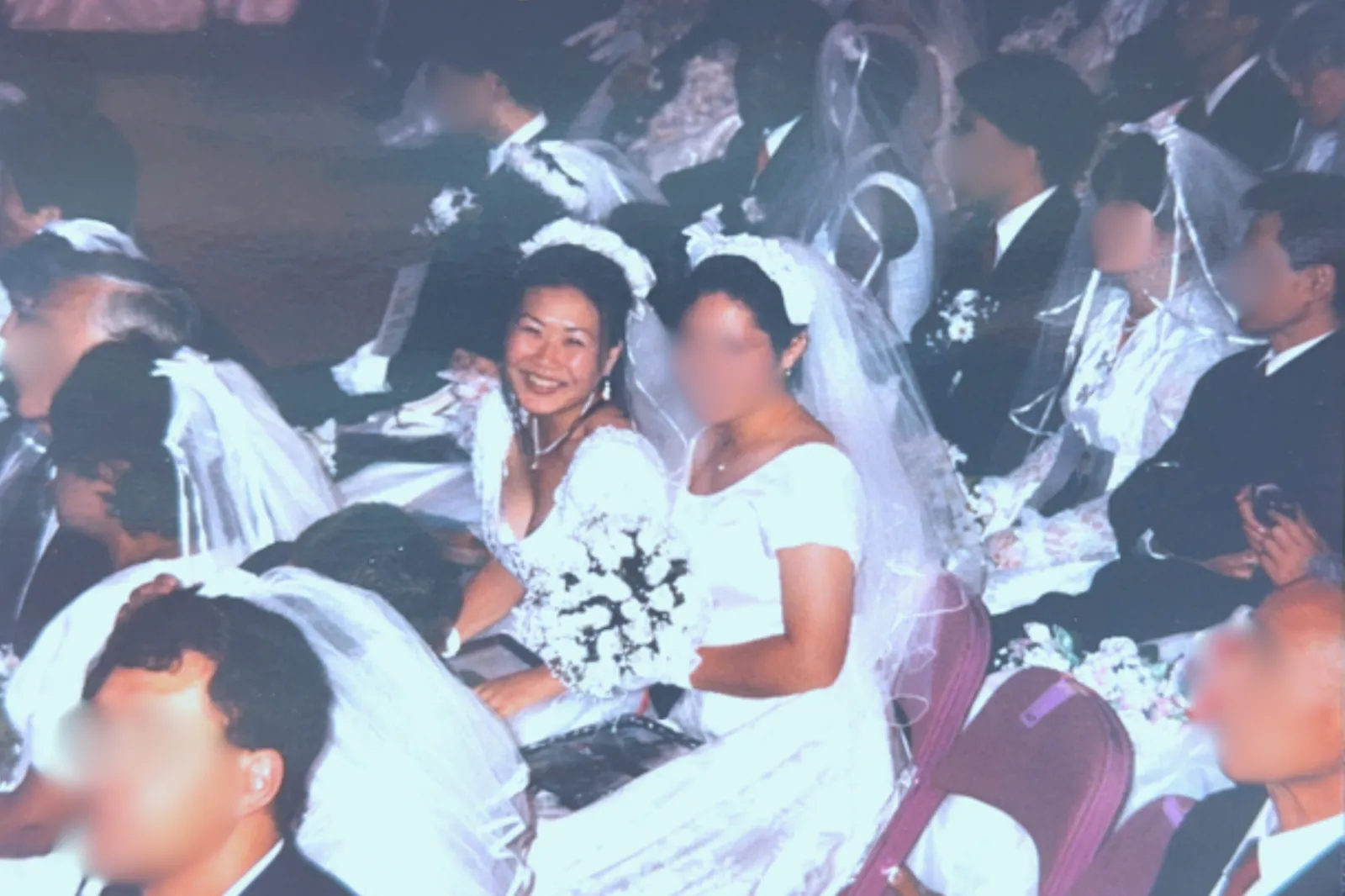
Once inside, I felt relief as I sat next to a girlfriend because she too was marrying a picture. We kept cracking jokes, trying to make light of the situation. I stuck close to her as we clutched our paper partners.
...
Midway through the ceremony, four elderly, dignified women were called to the main stage. We soon learned they were the blushing brides-to-be of Confucius, Muhammad, Socrates and Buddha. Raised in the church, I was no stranger to kooky happenings. I couldn’t help it, but I snuck a look at my friend. And then I snorted.
When it came time for the ring exchange, I felt empty. I only wished that I could experience nuptials with my other half there with me. But he wasn’t. I didn’t feel much different after exchanging my wedding band with myself.
All I wanted to do was cry. It wasn’t an option to leave—not the ceremony nor the church. I thought that if I tried, I would lose my family and my entire universe. And how else could I get into the kingdom of heaven?
Besides, it was done already. I was now officially Moonie married.
A week later, I flew to South Korea to meet my husband. During the plane ride, I had butterflies. They seemed to be fueled by all that could go wrong.
Earlier, some who’d seen my new husband’s photo gushed about how handsome he was. I wasn’t sure.
...
At my hotel, I was unusually calm by the time there was a loud knock on my door. Other than a flash of fear, I was mostly zombie-like. I walked straight to the door and opened it.
He stood there with his eyes wide, staring at me. He didn’t look like his picture at all. His photo portrayed someone sturdier. In person he was thinner and wore glasses. He did look his age though, two years older than me.
Feeling awkward, I invited him inside. To my relief, he ended up being friendly and talkative. He smiled a lot. But he was not someone I dreamed about.
I only hyperventilated when he took me to an amusement park sometime later. Spending the day with him, communicating in broken English, broken Korean and hand gestures, I could see he’d never be more than a friend to me. Unfortunately, attraction wasn’t something I could force.
My new spouse grabbed my hand; I tried to slide it out from his grip without him noticing. I felt a jerk in my chest. A frigid wave rushed over me when I realized this was now my life. I sensed his hand inching toward mine again. I didn’t want it.
Back at the hotel, I lay on the bed, sobbing. What could I do? What could my family do? I felt trapped. I contemplated breaking “the blessing,” what the church called our union, but I didn’t think this was an option. I got up the next day because I was expected to. I visited my husband at his family home. I must have seemed like a wreck. His mother was sweet. But he looked down, and I knew it was my fault.
When everything was too overwhelming, I finally said, “I need time.” He looked overjoyed at my expressing something, as over the days I’d turned mute. I tried to muster a smile.
“You look pretty when you smile,” he said.
I still couldn’t imagine being his wife.
Once back home—we were in a long-distance marriage at this point, while we figured it out—depression soon became so normal it turned comfortable. But when I couldn’t sleep most nights and my body felt sick, I knew I had to confront my distress.
My family and community meant everything to me. Would they still love me if I didn’t stay? Sadly, I didn’t know. All I could think to do was take little steps in the direction my heart was pulling me toward.
First, I’d fly to Korea once more. And when I saw him again, I would know.
When I landed at the airport, he was waiting. My insides shriveled up and I couldn’t breathe.
I told him I wanted to break the blessing. I was stunned into silence when he responded, “Then I’ll kill myself.” I felt like a monster. But did he want me for me, or because they had told him I was the one? I was furious that the church’s arrangement could drive people to such extremes.
Back home, my parents were ready to kick me out of the house when they learned what I’d done. We did not know what the consequences would be. But this time I wasn’t going to let my fears distort what my gut told me to do. If my every action aligned with what I believed to be right, how could I be punished for that in the end?
None of us had any idea where I was going. Still, I wasn’t going to give up myself, or the possibility of (real) love. So, I chose to continue walking ahead alone.
...
My husband eventually moved on and found love with someone else. The friends who mattered stuck by me. My parents never threw me out. “All we want is for you to be happy,” they said, after seeing how distraught I was.
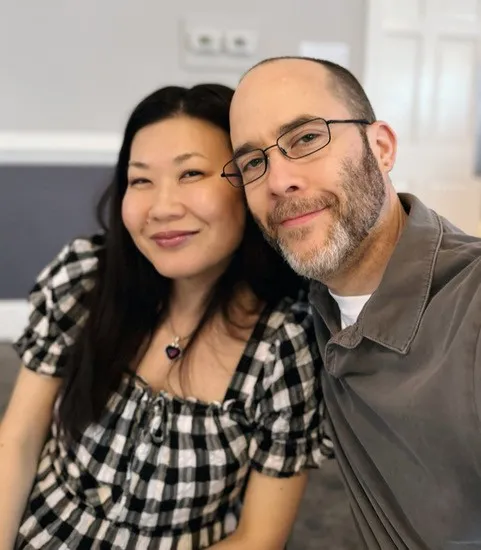
It turned out listening to myself is what brought me happiness in the end. After leaving the Unification Church, I focused on my true love: music. When I sang at a friend’s wedding one evening, a handsome man with the kindest blue eyes was listening in the audience. Six years later, I said my vows to that man, the one I chose, standing next to me in the flesh.
Kiyomi Hawley is a musician and writer in New York working on a book about leaving the Unification Church.
All views expressed in this article are the author's own.
Do you have a personal essay you want to share with Newsweek? Send your story to MyTurn@newsweek.com.
View 0 Comments
Submit Correction
View Editorial & AI Guidelines