
...

By Hollie Silverman
News Editor
0
Share
Newsweek is a Trust Project member
See more of our trusted coverage when you search.Prefer Newsweek on Googleto see more of our trusted coverage when you search.
Commercial aviation across the Middle East is slowly resuming operations after months of disruptions driven by the Iran war. However, a new wave of confusion is replacing outright cancellations, as uneven schedules, lingering waivers, and shifting policies complicate what might otherwise look like a return to normal.
A U.S.-brokered ceasefire agreement signed earlier this week has unlocked critical Gulf airspace corridors. This breakthrough allows airlines to begin restoring suspended routes through what is arguably the world’s most crucial global transit artery.
The initial shutdown, which erupted in late February, triggered sweeping airspace closures that severed connection points between Europe, Asia, Africa, and North America. According to industry intelligence from travel platform Wego, the grounding of tens of thousands of flights and the temporary isolation of mega-hubs like Dubai and Doha represented the most disruptive systemic shock to global aviation since the COVID-19 pandemic.
Read More on News
In a statement emailed to Newsweek on Sunday, a spokesperson for Qatar Airways said the airline had restored flights to 85 percent of its pre-crisis levels last week.
"The milestone was reached with the launch of the airline's summer 2026 schedule last week, which sees more than 140 daily departures from Doha to over 160 destinations worldwide," the statement read.
Newsweek reached out to Delta, American Airlines, Emirates, Etihad Airways, and Turkish Airlines by email Saturday for comment.
Patchwork Recovery: Regional Route Resumptions
While airline networks are rebuilding, the pace of restoration remains highly fragmented. A route that is fully active on one carrier may remain grounded, heavily delayed, or subject to severe rebooking restrictions on another.
According to reports from aviation outlet Deep Arrival, regional networks are currently tracking along three distinct tiers:
Mainline Carrier Adjustments
- Turkish Airlines: The carrier has actively resumed scheduled service to major regional hubs including Dubai, Damascus, Beirut, and Amman. Corporate plans indicate intentions to scale up frequencies to Dubai later this month, with Abu Dhabi service slated to restart in early July.
- Gulf Carriers: Emirates, Etihad Airways, and Qatar Airways have aggressively moved to expand operations as primary airspace corridors unlock. Hubs in Dubai, Abu Dhabi, and Doha are back to largely operational status, clawing back significant portions of their pre-conflict networks.
- Western & European Carriers: Western operators remain far more conservative. Several major European airlines have extended their suspensions or opted to operate drastically reduced frequencies to avoid specific regional flight paths entirely.
...
Why Were Flights Canceled?
The shutdown was driven after the United States and Israel targeted key military targets in Iran in late February and killed Supreme Leader Ayatollah Ali Khamenei and other government leaders. Iran responded by launching missiles and drones targeting Israel and several Gulf Arab states that host U.S. armed forces.
Airspace closures spread across multiple countries—including Iran, Iraq, Israel, Kuwait, Bahrain, and parts of Jordan—as governments and aviation authorities moved to protect civilian aircraft from military activity.
The closures forced airlines to suspend routes, cancel flights, or reroute aircraft over longer—and more expensive—paths. At the height of the disruption, major hubs shut down entirely or operated at limited capacity, while airlines cut thousands of flights and issued sweeping travel waivers.
Regions With Ongoing Restrictions or Instability
Several parts of the Middle East are still under flight restrictions or partial limitations, even as overall airspace reopens. The recovery is uneven, and some areas remain volatile or only partially operational.
1. Iran (Partial Reopening)
- Iranian airspace is reopening under ceasefire conditions, but not fully normalized.
- Travel advisories remain in place warning against travel.
2. Iraq (Open but Unstable)
- Airspace is technically open, but short-notice closures are still possible.
3. Jordan (Partial Restrictions)
- Jordan has partial airspace operations, including nightly closures.
4. Kuwait (Partial Operations)
- Kuwait’s airport is not fully operational, with key infrastructure still damaged.
- Some terminals remain closed and foreign airlines are still restricted.
5. Syria (Limited International Service)
- Airspace is open in parts, but international routes are still limited.
Broader Caution Zones (Advisories Still in Place)
Even where airspace is technically open, regulators and airlines continue to flag risk across much of the region:
- Iran, Iraq, Gulf airspace broadly are still covered by aviation safety advisories tied to missile, drone, or military threats earlier in the conflict, according to safefly.aero.
- Airlines are selectively avoiding certain flight paths or reducing frequencies, even without formal closures.
What’s Fully or Mostly Reopened
For context, several major hubs are operating close to normal again:
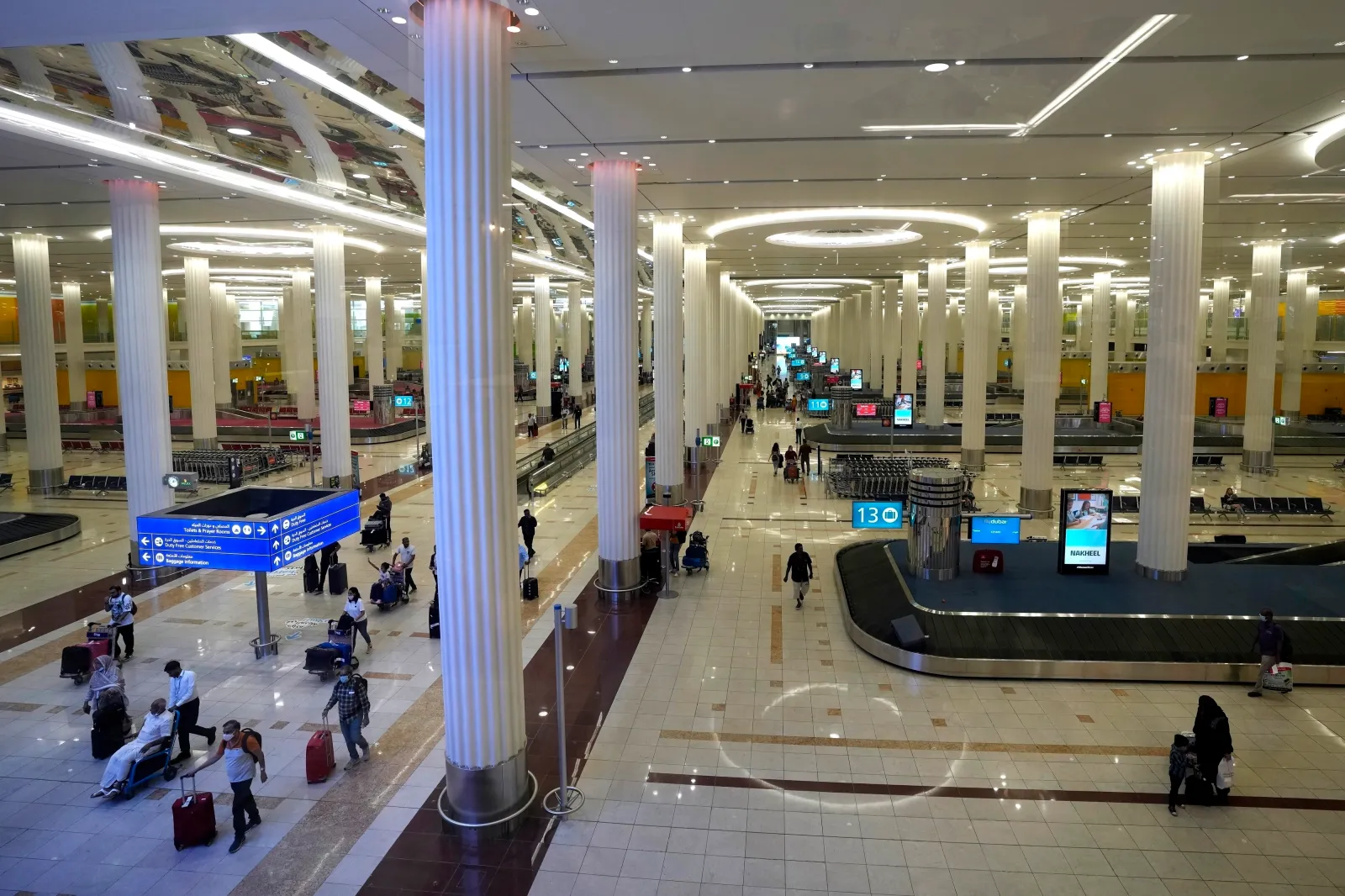
- United Arab Emirates (Dubai, Abu Dhabi)—Fully open
- Saudi Arabia, Qatar, Bahrain, Oman—Largely open, though with some operational caveats, according to Wego.
But even in these areas, schedules remain fluid and subject to last-minute change.
...
View 0 Comments
Submit Correction
View Editorial & AI Guidelines