Newsweek/Map for thumbnail

By Joe Edwards
Reporter
0
Share
Newsweek is a Trust Project member
See more of our trusted coverage when you search.Prefer Newsweek on Googleto see more of our trusted coverage when you search.
The National Weather Service (NWS) and state health agencies issued air quality alerts across large parts of the U.S. as of Tuesday morning, cautioning that children and other sensitive groups should limit outdoor activity in some areas.
Why It Matters
The Environmental Protection Agency (EPA) cautions that people most at risk from breathing air containing ozone includes those with asthma, children, older adults and people who are active outdoors.
Read More on News
The agency says health problems caused by ozone may include coughing, difficulty breathing, and inflamed and damaged airways.
What To Know
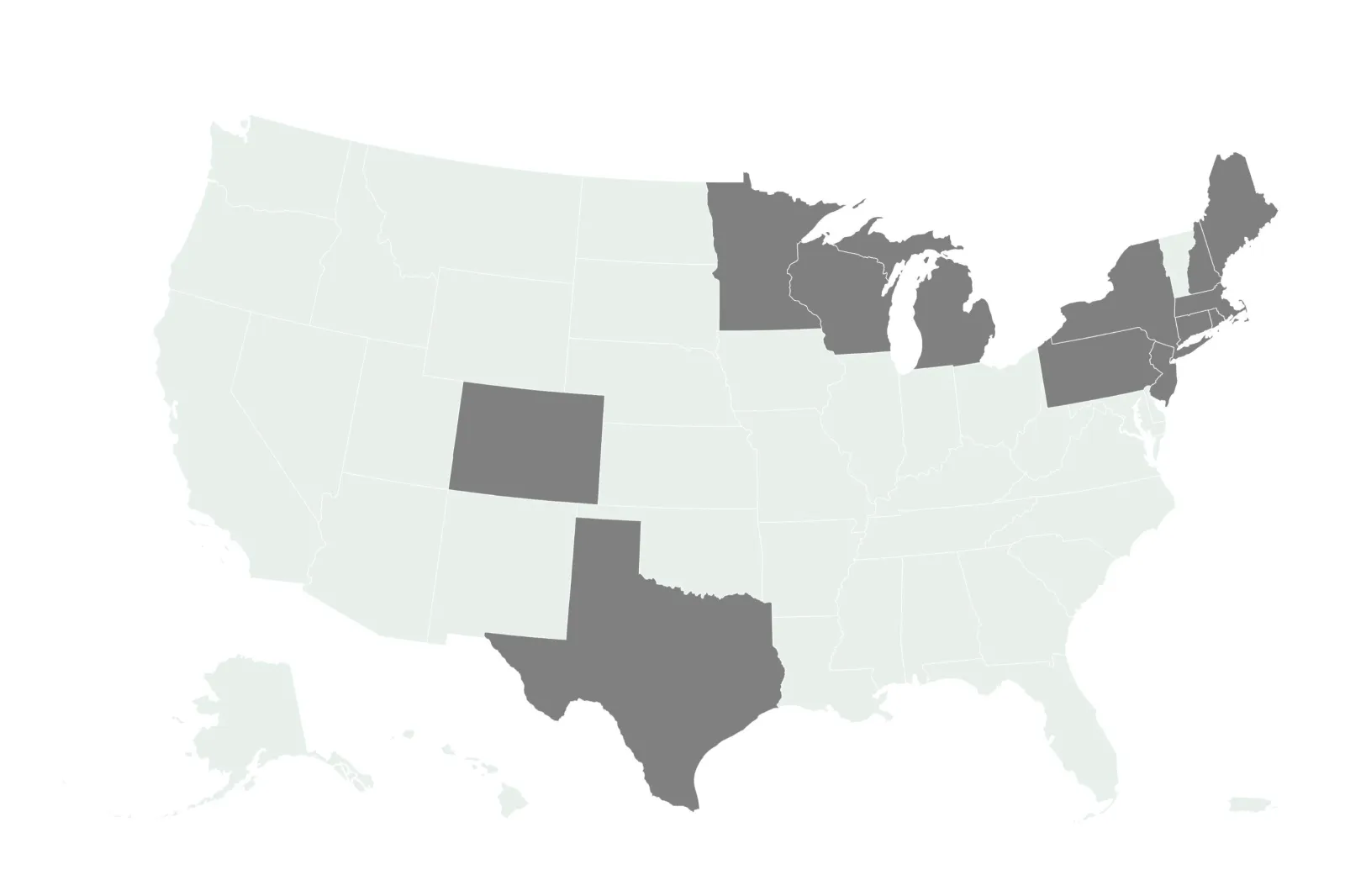
At the time of writing, air quality alerts were in effect for multiple states, including Texas, Colorado, Minnesota, Wisconsin, Michigan, New York, Pennsylvania, New Jersey, Connecticut, Rhode Island, New Hampshire, Maine, and Massachusetts.
In New York, an air quality advisory due to ground level ozone had been issued for multiple counties, including but not limited to New York, Bronx, Kings, Queens, Richmond, Nassau, Suffolk, Westchester, Rockland, Orange, and Putnam.
"When pollution levels are elevated, the New York State Department of Health recommends that individuals consider limiting strenuous outdoor physical activity to reduce the risk of adverse health effects," the alert stated.
People who may be especially sensitive to the effects of elevated levels of pollutants include the very young, and those with preexisting respiratory problems such as asthma or heart disease."
A similar alert had also been issued for the majority of Massachusetts.
"Air is unhealthy for sensitive children and adults, such as those with asthma, lung or heart disease, and older adults. Sensitive children and adults should limit prolonged outdoor activity," read the alert, which was in force until 11 p.m. Tuesday.
Air quality alerts due to ozone were also in effect for the following states as of Tuesday morning:
- Texas
- New Jersey
- Connecticut
- Pennsylvania
- Maine
- New Hampshire
- Rhode Island
In Colorado, air quality health advisories for wildfire smoke were in place for Rio Blanco, Garfield, Eagle, Pitkin and Gunnison Counties.
"Smoke from large wildfires in Rio Blanco County is impacting a large area of western and central Colorado. Periods of moderate to heavy smoke are possible throughout the advisory area on Monday and Tuesday," the alert said.
Eastern Dolores, Montezuma and La Plata Counties were also under advisory, which authorities said was due to the Stoner Mesa fire which would create areas of "moderate to heavy smoke."
These were in place until 9 a.m. local time.
Additionally, wildfire smoke from Canada had prompted air quality alerts for Minnesota, Michigan, and Wisconsin.
What People Are Saying
A spokesperson for the Michigan Department of Environment, Great Lakes, and Energy told Newsweek on Tuesday: "The fires in Saskatchewan, Manitoba, and Ontario are still burning but as of this morning the overall intensity of those fires appears to be weakening, more than likely due to a cold front and associated rain showers that moved over that area earlier this week.
"As of now, we do not expect any additional Advisories to be issued for wildfire smoke, even though winds are expected to shift to a more northerly direction."
AccuWeather meteorologist Brandon Buckingham told Newsweek previously: "Ozone is a secondary pollutant, meaning it's not emitted directly from sources, but is formed through chemical reactions. These reactions require sunlight and higher temperatures, making warmer months more prone to ozone formation. When air is stagnant, pollutants don't get dispersed, allowing ozone to build up to unhealthy levels."
What Happens Next
Regular forecast updates are issued by the NWS on its website.
Update, 8/14/2025, 11:44 a.m. ET: This article was updated with comment from the Michigan Department of Environment, Great Lakes, and Energy.
View 0 Comments
Submit Correction
View Editorial & AI Guidelines