...

By Steve Mollman
News Editor
0
Share
Newsweek is a Trust Project member
See more of our trusted coverage when you search.Prefer Newsweek on Googleto see more of our trusted coverage when you search.
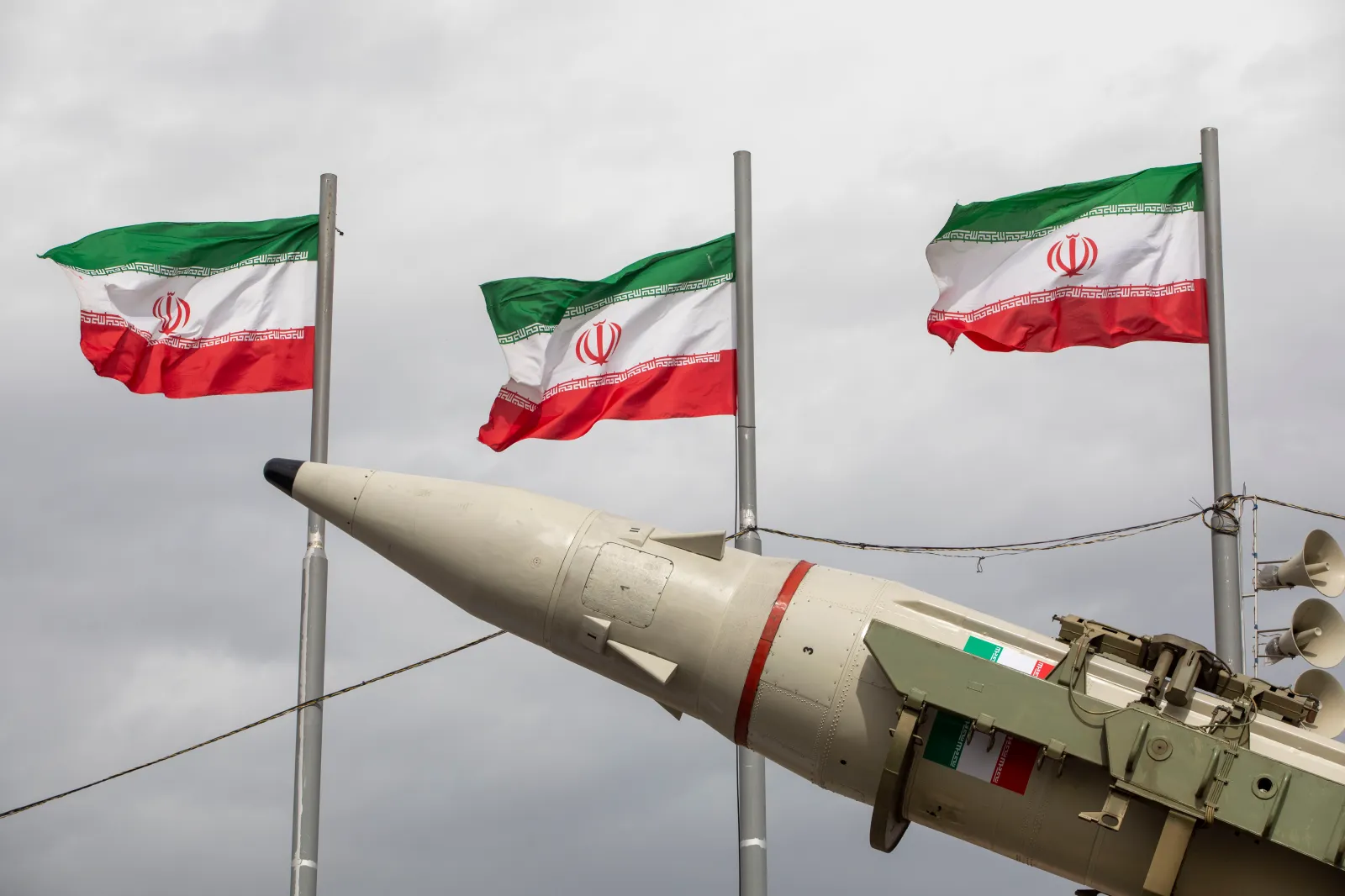
Turkey said on Monday that NATO air and missile defense systems intercepted a ballistic munition launched from Iran that entered or approached Turkish airspace, the latest sign that the widening Iran war is increasingly drawing in countries far from the main theaters of fighting.
The interception follows several similar incidents reported by Ankara since the conflict escalated, highlighting how Iran’s expanding missile operations—and NATO’s defensive response—are testing the alliance’s southern flank even as leaders try to prevent the war from spilling into a direct confrontation between Iran and NATO members.
Why It Matters
Turkey’s geographic position makes it especially vulnerable to spillover from the Iran war. As a NATO member bordering Syria and Iraq and hosting key U.S. and allied military facilities, Turkey sits beneath missile and drone flight paths used by Iran in retaliatory strikes across the region.
Read More on World
Although Turkish officials have stopped short of declaring the incidents deliberate attacks, each interception raises the risk of escalation, whether through miscalculation, technical failure, or misinterpretation of intent. NATO has sought to make clear that defending allied airspace does not automatically mean the alliance is entering the war, but the repeated involvement of NATO assets underscores how narrow that line has become.
For Ankara, the incidents also carry domestic and diplomatic implications. Turkey has tried to maintain a balancing role since the Iran war began, condemning attacks that threaten regional stability while keeping channels open with Tehran. At the same time, the government has emphasized that any violation of Turkish airspace will be met with force, a message aimed at deterrence rather than escalation.
What to Know
Turkey’s Defense Ministry said a ballistic missile determined to have been launched from Iran was detected entering or heading toward Turkish airspace and was neutralized by NATO air and missile defense assets deployed in the Eastern Mediterranean. The ministry said no casualties were reported and stressed that all necessary measures would be taken “decisively and without hesitation” against any threat to Turkey’s territory or airspace.
The statement closely mirrors language Turkey has used repeatedly since the war began, reflecting what officials describe as a heightened but controlled security posture. NATO officials later confirmed that allied defenses had been involved and said the alliance stood firmly with Turkey, while U.S. officials emphasized that the incident did not automatically trigger NATO’s collective defense clause.
...
The interception was not the first. On March 4, Turkey reported that NATO defenses intercepted a ballistic missile launched from Iran after it passed through Iraqi and Syrian airspace and approached Turkish airspace. Turkish officials said at the time that the intended target was unclear and that debris found in southern Turkey came from the interceptor rather than the incoming missile. No casualties were reported.
A second incident was reported on March 9, when Turkish authorities said another Iranian-launched missile was intercepted over southeastern Turkey. Ankara again issued warnings that it reserved the right to respond to any hostile act, while calling on all parties to avoid steps that could widen the conflict.
On March 13, Turkey announced what it described as a third interception since the war began, saying a ballistic munition launched from Iran entered Turkish airspace before being neutralized by NATO defenses. Iran denied responsibility in that case, with its embassy in Ankara saying no missile had been fired toward Turkey and proposing a joint technical review to clarify what happened.
Across all of the incidents, Turkish officials have been careful in their wording. Rather than saying Turkey was struck or directly attacked, statements have focused on detection, interception, and deterrence. In at least one case, Turkish officials told international media that the missile may have been aimed at another regional target and veered off course.
Iran’s responses have varied. Tehran has sometimes remained silent, sometimes denied involvement, and sometimes insisted its strikes are aimed solely at U.S. or Israeli-linked targets elsewhere in the region. Iranian officials have repeatedly said they do not seek conflict with neighboring states, including Turkey, even as missile activity has expanded geographically.
From NATO’s perspective, the repeated interceptions underscore the importance of integrated air and missile defense systems at a time when ballistic and drone threats are proliferating. Alliance officials have framed the actions as defensive and stabilizing, but each engagement adds pressure to avoid mistakes that could change the character of the conflict.
What Happens Next
Turkey and its NATO allies are expected to remain on high alert as the Iran war continues, particularly along missile corridors that cross Iraqi and Syrian airspace toward the Eastern Mediterranean. Turkish officials have said consultations with NATO partners are ongoing and that developments are being closely monitored with national security as the top priority.
Diplomatically, Ankara is likely to continue engaging Tehran in an effort to prevent further incidents, especially those that could be interpreted as deliberate provocations.
View 0 Comments
Submit Correction
View Editorial & AI Guidelines