...

By Lucy Notarantonio
Senior Reporter
0
Share
Newsweek is a Trust Project member
See more of our trusted coverage when you search.Prefer Newsweek on Googleto see more of our trusted coverage when you search.
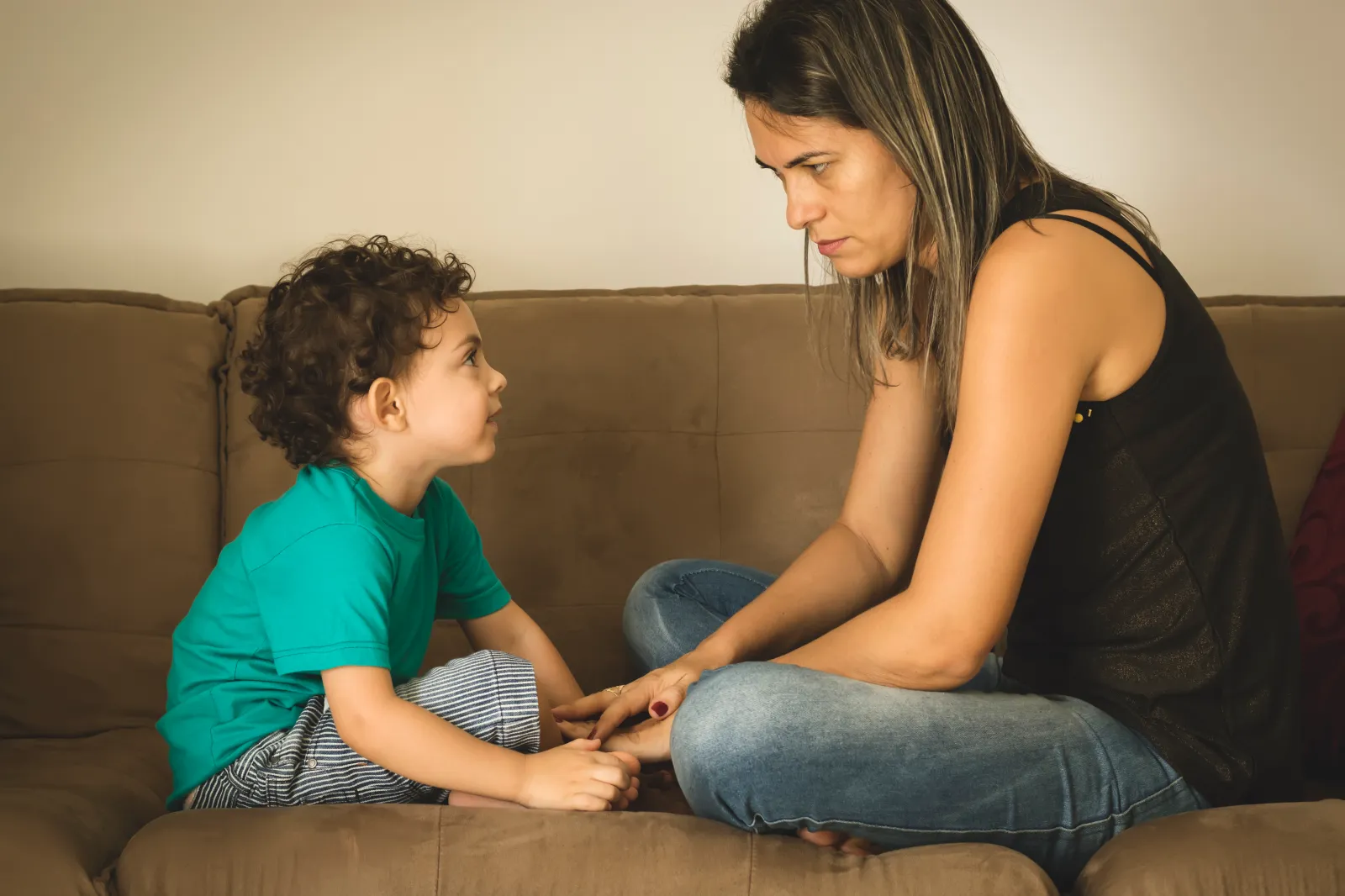
A mother preparing her toddler for a family funeral thought she was simply setting expectations for good behavior. Instead, she found herself blindsided by a comment that has now gone viral for its darkly comic timing.
The moment was shared on Instagram Threads by mom Aria Nichols (@aria.nichols), where it has drawn more than 260,000 views and over 25,300 likes. In her post, Nichols explained that she had been trying to prepare her 3‑year‑old son for his great‑grandmother’s funeral.
"I just explained to my 3 year old that we are going to his Great Grandmothers funeral tomorrow and he must sit very quietly while people talk and tell stories about her," Nichols wrote.
Read More on Family & Parenting
...
According to Nichols, her son responded with unexpected enthusiasm: "Good. We can find out who murdered her."
The comment immediately struck a chord with users, many of whom leaned into the accidental mystery‑novel energy of the toddler’s remark.
One person said: "You know what? Yes. Listen VERY closely so you can figure it out. We’ll debrief after."
Nichols added more context in the comments, revealing that the detective‑in‑training persona didn’t stop there.
"He started pretending to apologize for her death at bedtime and insisting it was just pasta sauce. He’s too unpredictable," she wrote.
Another user said, "Please dress him like Sherlock [Holmes] for the funeral," referring to a fictional detective.
The mom replied: "I’ve got him a little black suit and a brown wool coat I had tailored for his older brother 20 years ago."
Another user referenced Scooby‑Doo, the long‑running Warner Bros. franchise known for its kid detectives unmasking villains disguised as supernatural creatures. "So, somebody might literally say, ‘And I Would Have Gotten Away With It Too, If It Weren’t For You Meddling Kids?’" they joked.
While the toddler’s comment was clearly innocent, it highlights how easily young children absorb ideas from the media they watch. Kids often repeat dramatic or exaggerated storylines without understanding the emotional weight behind them.
Child‑development experts frequently note that television can strongly influence how kids think and behave. Although many programs are educational, others expose children to violence, risky behavior, or adult themes long before they are ready to process them. These images can create fear, encourage imitation, or make certain behaviors seem normal.
Excessive screen time can also crowd out reading, active play, and other activities essential for healthy development. Parents who want to reduce negative influences can take simple steps to guide their child’s viewing habits:
- Choose shows intentionally rather than leaving the TV on in the background.
- Limit screen time to 1 to 2 hours a day for children over age 2, and avoid it entirely for younger children.
- Prioritize educational programming from trusted sources.
- Watch with children and talk about what is real, what’s pretend, and what behavior isn’t acceptable.
- Turn off any program that feels inappropriate—even cartoons can contain violence.
- Model healthy habits by limiting your own screen time and encouraging reading and active play.
- Keep screens off during meals and avoid using them as rewards.
Nichols’ post may have started as a parenting challenge, but it ended up offering a relatable reminder: toddlers often mix innocence with unexpected dramatic flair.
Newsweek reached out to @aria.nichols for comment via Instagram. We could not verify the details of the case.
View 0 Comments
Submit Correction
View Editorial & AI Guidelines