...

By Anna Skinner
Associate News Editor
0
Share
Newsweek is a Trust Project member
See more of our trusted coverage when you search.Prefer Newsweek on Googleto see more of our trusted coverage when you search.
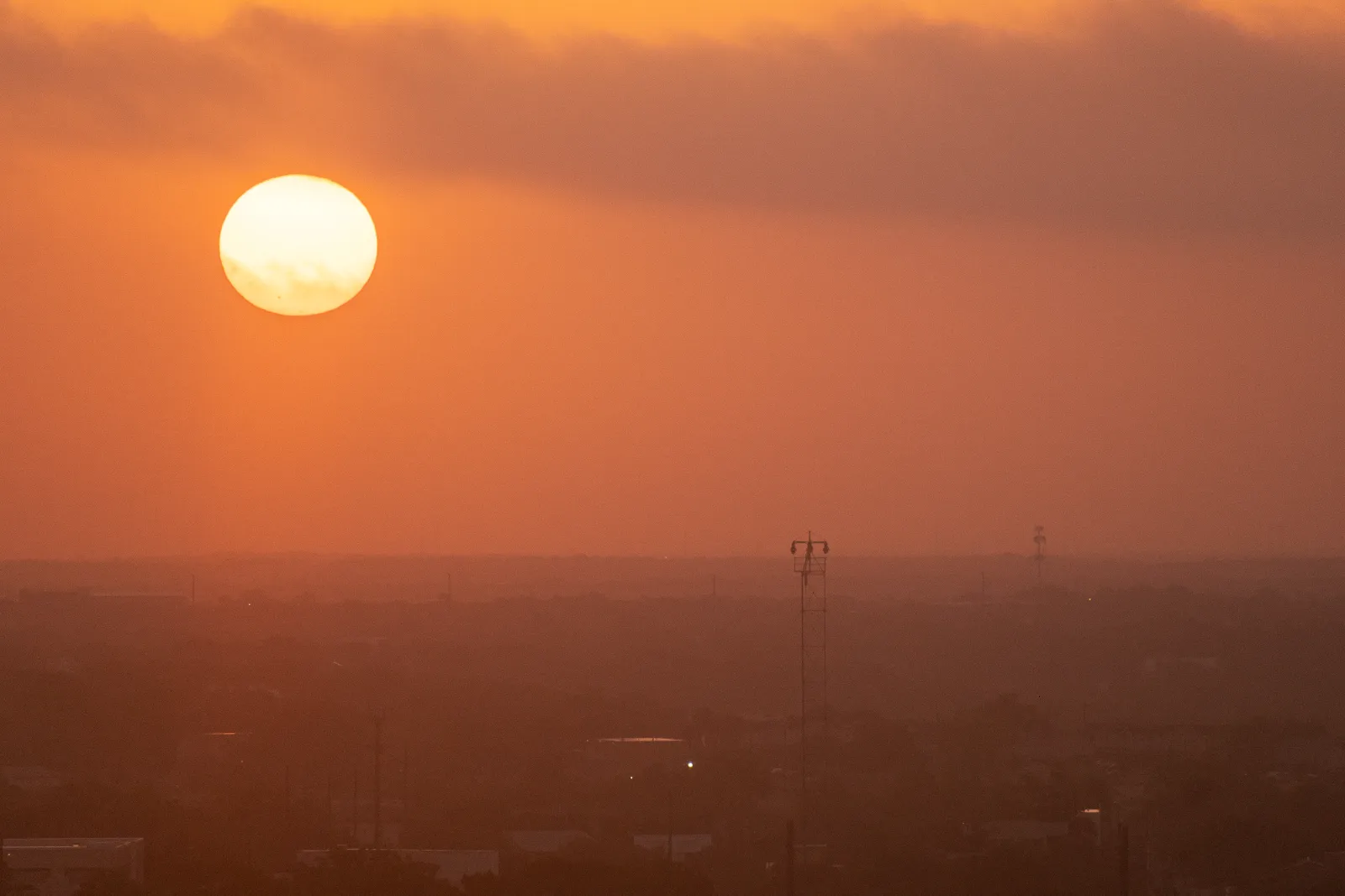
A heat advisory has been issued across eastern Montana as temperatures are expected to surge into the triple digits early this week, an unusually intense and early-season heat event that forecasters warn could pose serious health risks.
The National Weather Service (NWS) in Glasgow said the advisory will be in effect from noon to 9 p.m. MDT Tuesday, with highs reaching as much as 102 degrees across a broad swath of the state, including Daniels, Dawson, Phillips, Valley, Garfield, McCone, and surrounding counties. Strong southeast winds gusting up to 40 mph are also expected around Fort Peck Lake, where a separate lake wind advisory has been issued.
Newsweek reached out to NWS Glasgow by phone for comment.
Read More on Weather
Forecasters warned that the combination of extreme heat and gusty winds could create hazardous conditions both on land and on area lakes, where waves could reach up to five feet. Residents were urged to stay hydrated, avoid prolonged exposure to the sun, and check on vulnerable neighbors.
The early-season heat is particularly concerning because it is hitting a region not yet acclimated to such conditions, a factor experts say can significantly increase the risk of heat-related illness. It comes as forecasters have warned a developing "super" El Nino could impact U.S. weather this summer, influencing precipitation, temperatures, hurricane activity, and more across the country.
...
While triple-digit temperatures are common in parts of the southern U.S. by late spring, they are far less typical this far north in May. Average high temperatures across eastern Montana in May generally fall in the low 70s, and the hot season does not usually begin until June or later.
This means populations in northern states like Montana may be more vulnerable when extreme heat arrives suddenly. Without time to acclimatize, and with fewer homes equipped with air conditioning compared to hotter regions, heat waves this early in the season can catch residents off guard.
"Do not leave young children and pets in unattended vehicles," the heat advisory said. "Car interiors will reach lethal temperatures in a matter of minutes. Drink plenty of fluids, stay in an air-conditioned room, stay out of the sun, and check up on relatives and neighbors."
Several cities in Montana could break temperature records on Tuesday, according to data from the NWS Weather Prediction Center, including Billings, which could break a 90-year temperature record of 95 degrees on Tuesday.
In addition to human health risks, the heat could also raise environmental concerns across the dry plains, such as heightening wildfire threat or contributing to drought.
Montana Wildfire Risk as Temperatures Surge
The combination of extreme heat, low humidity, and strong winds is expected to elevate wildfire risk across parts of eastern Montana, particularly in grassland areas that are already drying out after spring.
Dry fuels can ignite more easily when temperatures climb past 100 degrees, and gusty winds may help fires spread rapidly if they start. Officials typically warn that even routine activities, such as towing equipment, using machinery or discarding cigarettes, can spark fires under such conditions.
Early-season heat waves like this can also accelerate the drying of vegetation ahead of the peak summer fire season, potentially setting the stage for more active wildfire conditions later in the year. Fire officials often monitor these early heat events closely as an indicator of how quickly landscapes are transitioning toward higher fire danger.
NWS officials urged residents to take precautions throughout the advisory period, including avoiding outdoor burning and using extra care with activities that could produce sparks.
What Happens Next: Montana Heat
With temperatures expected to peak Tuesday afternoon, forecasters said the heat may ease slightly afterward, but warned that the broader pattern of above-average warmth could persist into the coming weeks. The NWS Climate Prediction Center forecasts show a chance for above-average temperatures across all of Montana through at least June 7.
Meanwhile, much of the U.S. South faces a chance of below-average temperatures during that same time period.
View 0 Comments
Submit Correction
View Editorial & AI Guidelines