...

By Shane Molidor
0
Share
Newsweek is a Trust Project member
See more of our trusted coverage when you search.Prefer Newsweek on Googleto see more of our trusted coverage when you search.
Social media has already reshaped politics, culture and public opinion. Now it’s reshaping financial markets, often in ways that put everyday investors at risk.
Nowhere is this more visible than in crypto, where the absence of basic disclosure rules has turned parts of the industry into a modern version of the penny-stock era. Influencers can quietly take payments to promote tokens, hype retail investors into buying, and then sell for profit, all without telling anyone they were paid to do so.
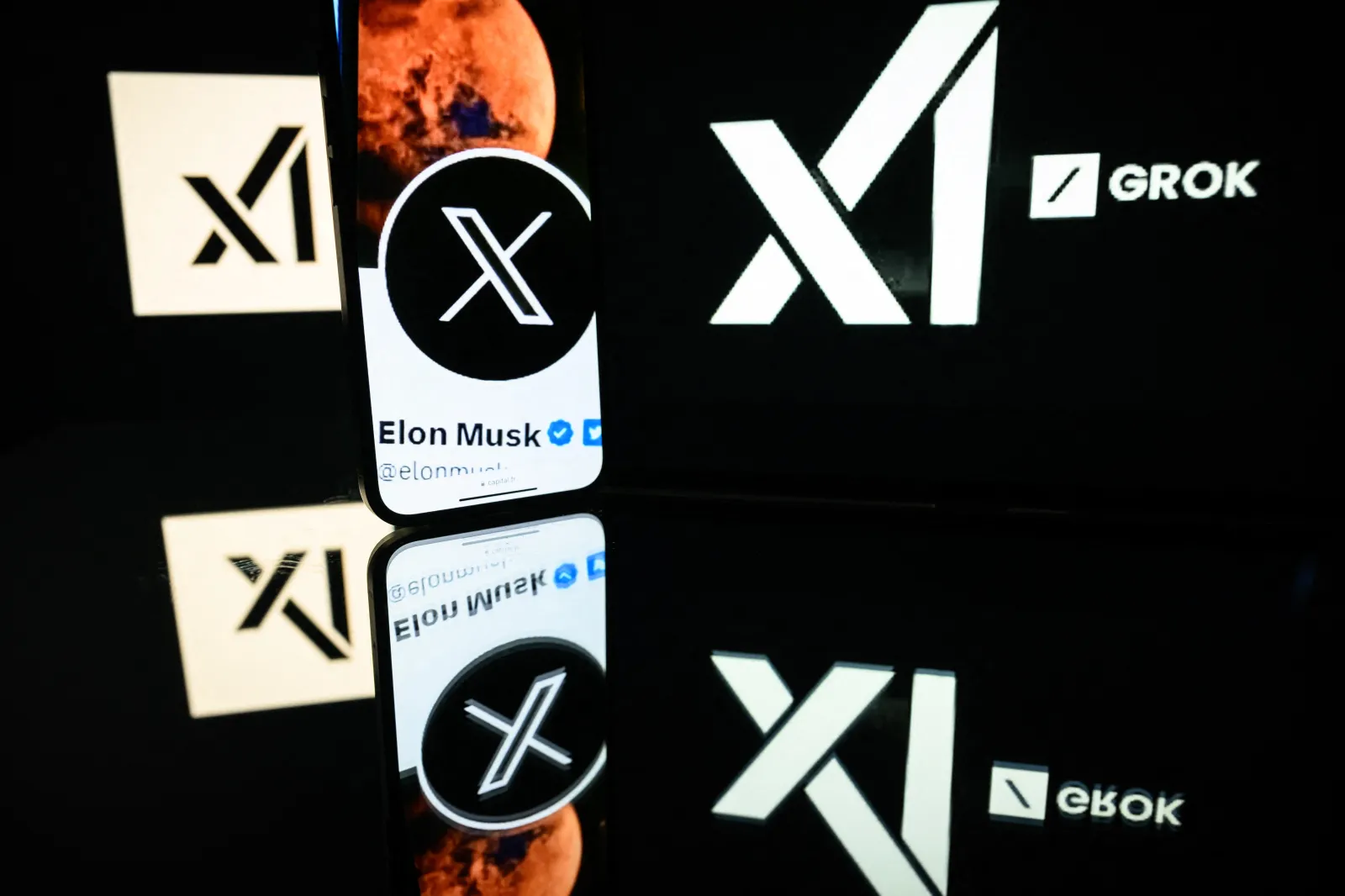
While some platforms have tried to curb undisclosed financial promotion, X has gone in the opposite direction. Under Elon Musk’s leadership, crypto promotion has grown more opaque, paid influencers have become harder to identify, and the platform has evolved as fertile territory for influencer-driven pump-and-dump schemes that routinely mislead retail investors.
Read More on Essays
If Musk refuses to raise the bar on disclosure and accountability, the crypto community should find a new information hub entirely. Financial discourse demands a platform that bans imposters, identifies conflicts of interest, and treats market manipulation as a threat rather than a business model.
...
X Is Overrun By Undisclosed Promotion and Insider Games
In the stock market, failing to disclose paid promotion is a form of securities fraud. In crypto, it’s Tuesday.
Crypto communities on X have become a swamp overrun with influencer astroturfing and market manipulation. Crypto projects enlist social media influencers (often referred to as “Key Opinion Leaders” or “KOLs”) to hawk shady products to their unsuspecting followers. Influencers actively present themselves as organic supporters and rarely disclose that they are being paid.
Often, crypto projects reward influencers in the form of tokens, which (much like traditional stock shares) generally rise in price as a project gains traction. Those influencers then hype the project, talk like neutral analysts and preach conviction, inflating the value of their own tokens, before quietly unloading them onto unsuspecting followers. The incentives for influencers are simple: Hype the project, create FOMO (fear of missing out), then sell into the surge that you helped manufacture.
In a regulated equities market, this behavior would violate basic investor-protection laws. The SEC considers undisclosed promotional activity a form of securities fraud. Yet in crypto, the same tactics flourish in public view.
The resemblance to the penny-stock era is startling. The influencer economy has become the modern equivalent of 1980s boiler-room pitches, secret promoter deals, and pump and dump schemes.
Crypto Lacks Basic Disclosure Standards
Traditional markets enforce strict rules around promotion. Anyone hyping an investment must disclose whether they are being paid, whether they hold the asset, and who compensated them. These rules exist for a reason. There is a meaningful difference between someone who genuinely loves a stock and someone who is contractually obligated to promote it.
Regulators can punish both sides of an undisclosed promotion in equities. The promoter faces fines or enforcement actions, and the issuer that paid them can be held liable as well. Crypto bypasses this accountability entirely. Pay someone to secretly pump a stock and you risk prosecution. Pay someone to pump a token and you are applauded for growth marketing. Retail becomes the collateral damage.
Some major platforms have tried to curb hidden advertising by requiring disclosure labels or paid partnership tags. Google, Meta and Instagram restrict financial promotions or force influencers to mark content as sponsored. That at least draws a line between opinion and advertisement. X offers none of this protection. The majority of crypto promotions never pass through formal ad tools at all. They live in threads, livestreams, YouTube rundowns, Telegram hype cycles and other formats with no traceable sponsorship footprint.
Why X Became the Epicenter of Covert Promotion
X has emerged as the primary funnel for astroturfed crypto narratives because it never really tried to stop them. Instagram and TikTok promote visible ad disclosures. YouTube flags sponsorships and lists affiliated partners. These norms create friction for anyone attempting covert deals.
X, however, blends shills into ordinary discourse. A paid pump post looks identical to a legitimate thesis. The result is a massive retail ecosystem built on undisclosed advertising deals—effectively a Trojan-horse ad marketplace that disguises paid promotion as organic excitement.
This problem extends beyond retail losses. Models like Grok learn directly from X. Other AI models and sentiment-scraping systems are trained on the same surface-level noise. If manipulated content feeds the next generation of crypto analysis tools, we risk building automated misinformation feedback loops. The cost is not just financial. It is intellectual. We are compromising the information layer that the industry relies upon to make sense of itself.
Crypto Needs Mandatory Disclosures and Penalties for Manipulation
If X refuses to confront covert promotion, the crypto community—and anyone looking for investment advice—should treat that as a design flaw and move elsewhere. We deserve a platform where discourse is honest, incentives are visible, and a retail participant does not walk into a casino believing it is a research desk. The legitimacy of this industry depends on transparency around compensation and vested interests. Disclosures around paid promotion, token allocations and economic incentives should be standard practice.
Clear rules would protect retail participants, separate legitimate builders from bad actors, and reduce the power of covert hype cycles that turn markets into slot machines. Regulation will eventually arrive and should be welcomed. In the meantime, the industry should self-govern through better platform choice and cultural pressure. We should not build the future of finance on a network that rewards covert manipulation.
If X refuses to clean up its act, the crypto community should walk away.
Shane Molidor is the founder and CEO of Forgd, a token advisory and optimization platform that provides seamless access to essential tools for blockchain projects.
View 0 Comments
Submit Correction
View Editorial & AI Guidelines