...

By Lucy Notarantonio
Senior Reporter
0
Share
Newsweek is a Trust Project member
See more of our trusted coverage when you search.Prefer Newsweek on Googleto see more of our trusted coverage when you search.
By Yvonne Pearson, as told to Newsweek
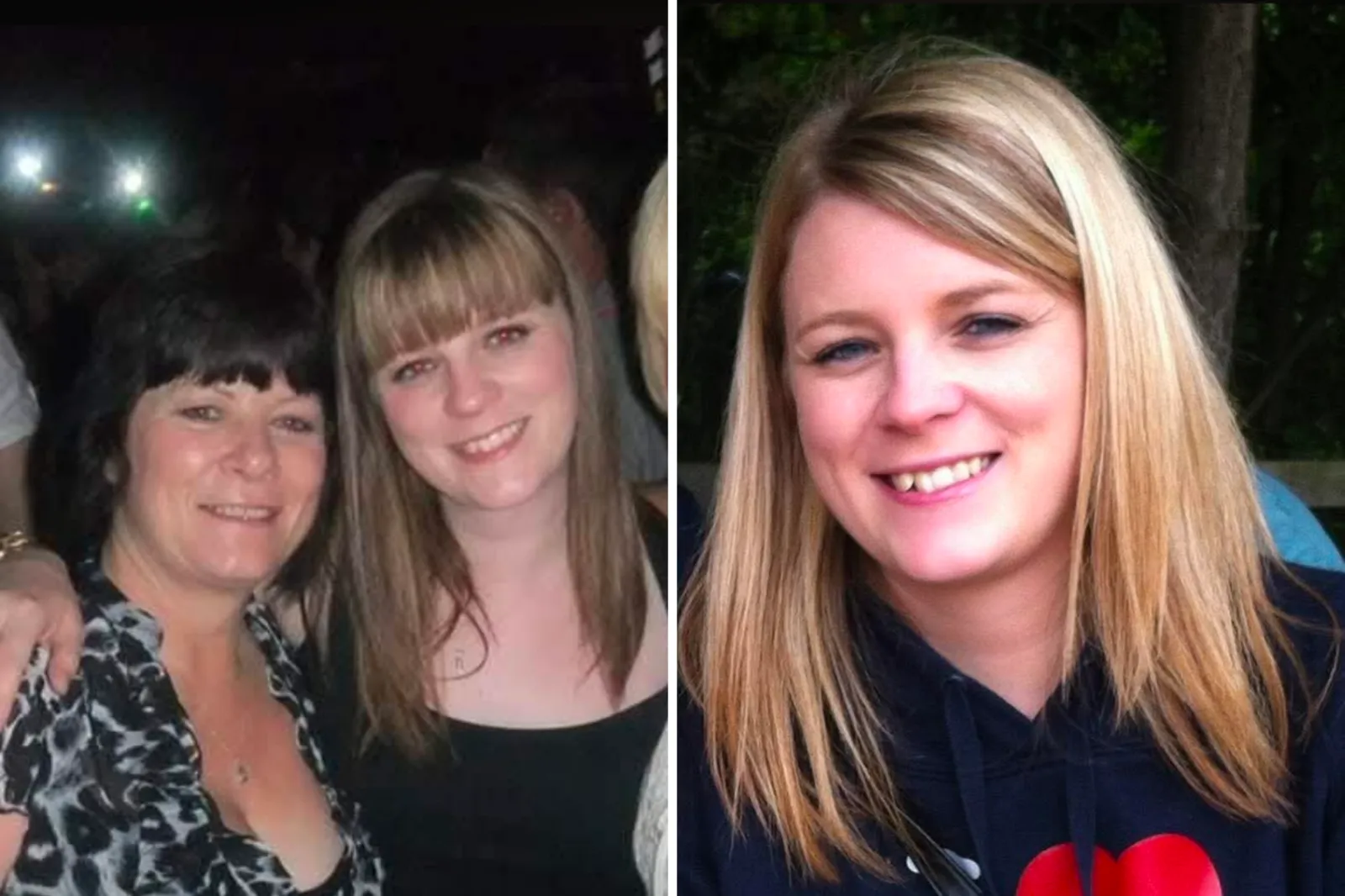
When my daughter Cath first mentioned she had an ulcer on her tongue, neither of us thought anything of it. She was prone to ulcers, and at 24, she was a healthy, sociable young woman with a busy life. It was just another small irritation—nothing more.
But this one, located on the side of her tongue, lingered.
Read More on My Turn
I encouraged Cath to go to the dentist, and she did. They told her to come back in two weeks if the ulcer was still there. But at the time, she was working full‑time as a trainee accountant, going to the gym, seeing friends, and living life. When the ulcer eased slightly, she didn’t bother returning.
She later went to the doctor, as she felt it was no longer a dental issue. They ran blood tests, and everything came back negative. She assumed it would heal on its own.
...
A month later, we went on a family holiday. By then, she looked grey and exhausted. She thought she was simply run down, and I agreed she needed rest. Back in my day, my mom would have said exactly the same thing: “Rest, gargle some mouthwash, and carry on.”
From April through June 2012, she kept delaying appointments because the ulcer would ease for a few days and then flare again—but it never fully went away.
She saw both the doctor and the dentist several times. We convinced ourselves that her tooth was rubbing against her tongue.
A sharp tooth was smoothed down, she was given a gumshield, and yet the ulcer still refused to go.
During this period, a referral to a specialist was made, and by September, she was seen by a consultant in the maxillofacial department. By then, the pain was so severe she could barely open her mouth.
The consultant told us that if Cath had been a man in his fifties who smoked and drank heavily, they would immediately suspect cancer. But she was 24, a non‑smoker, and didn’t fit the profile. So they sent her for a scan and biopsy.
A week later, her older brother, younger sister, boyfriend and I all went to hear the results. We were worried, but cancer never crossed my mind. I thought it was a nasty infection they’d cut away. During our time in the waiting room, I convinced myself it wasn’t serious.

...
I slumped in my chair when the consultant said it was aggressive stage 4 tongue cancer. I looked at Cath—tears were rolling silently down her face as her siblings held her. My whole family fell apart in that moment. There are no words for that kind of shock.
They told us they couldn’t surgically remove it unless they removed her entire tongue, and they wouldn’t do that to a woman her age. From that moment, life went 100 miles an hour.
I watched my sensible, kind, caring daughter deteriorate so quickly. She couldn’t eat or speak. Within a week, she had a PEG tube fitted into her stomach because she couldn’t swallow. Weight dropped off her. She became so weak and had to endure radiotherapy and chemotherapy daily. It was brutal.
In December, she was allowed home for two days over Christmas. I will never forget her walking into the living room, tears streaming down her face. She pointed into her mouth. I can only describe what I saw as a burnt piece of flesh. The stench was overwhelming. That was the first time I looked inside her mouth.
We learned to communicate with our eyes, hands, and facial expressions. I always knew what she wanted.

...
Tongue cancer is the most gruesome cancer I’ve ever seen. It was there in all its horrific glory.
After the new year, she began having intense head pains. Doctors performed a debridement to remove dead tissue. When I looked again, I couldn’t believe my eyes: there was no tongue left. I hid my shock.
Part of me still believed she would get through it, but another part wondered how she could ever live without a tongue at 24.
Then the scan results came. The cancer had spread to her lungs. They could only offer palliative care.
Five weeks later, she died after spending her final three weeks in a hospice. Cath passed away on June 5, 2013, just over a year after she first spotted the ulcer. If she had gone sooner, who knows what the outcome might have been?
Before she died, we decided at her hospital bedside that we would write a book together. I finished it in 2024, in her honour. Dying To Talk is not about becoming an author. It’s about saving lives.
It has now been 12 years since we lost her. People still ask me, “How do you die of tongue cancer?” Many don’t even know you can get it.
Cath had no known risk factors. She drank socially on a Saturday night like any young person. She didn’t have human papillomavirus (HPV), a common group of viruses that can be passed through oral sex.
I struggled watching her friends grow up, have children, and move forward. Cath is forever young. I still wonder what she would look like now, what she would be doing, how she would have grown alongside her siblings.
But I live my life for her. She would be pointing her finger at me, saying, “Work hard and live harder.”
She was a wonderful, kind person who never left anyone behind. She went peacefully, and I will never stop telling her story.
If you get an ulcer, don’t panic—but put it in your calendar and monitor it. If it’s still there after two weeks, get it checked. Even if it feels like it is getting better but hasn’t fully healed, I urge you to still go.
Don’t put off a doctor or dentist appointment. If you’re unsure, go back to the doctors. Cath’s blood tests were normal for a long time, but the ulcer was still there.
People come back to me and say they’ve had their ulcers checked because of Cath. That’s exactly what she would have wanted—to help people.
Yvonne Pearson is a 62-year-old retired National Health Service administrator from Northeast Yorkshire, England.
View 0 Comments
Submit Correction
View Editorial & AI Guidelines