...

By Amanda Castro
Associate News Editor
0
Share
Newsweek is a Trust Project member
See more of our trusted coverage when you search.Prefer Newsweek on Googleto see more of our trusted coverage when you search.
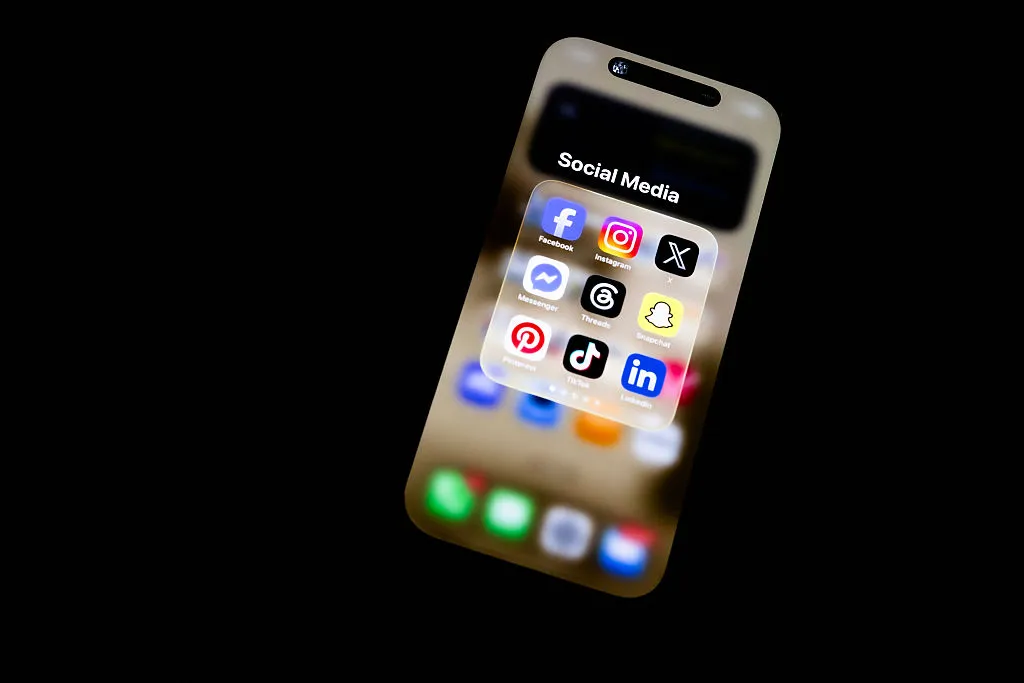
Governments around the world are accelerating efforts to restrict children’s access to social media, with Australia’s under‑16 ban now triggering a wave of similar proposals across Europe, Asia, and the United States.
The rapid expansion of age‑based restrictions reflects mounting alarm over youth mental health and the role platforms play in exposing minors to harmful content. Millions of young users could soon face new limits, mandatory age checks, or outright prohibitions as lawmakers push for tougher safeguards and tech companies brace for sweeping compliance demands.
Australia became the first country to formally bar children under 16 from major platforms—including TikTok, YouTube, Instagram, and Facebook—setting a global benchmark that other nations are now racing to match.
Read More on News
Canada is now preparing to follow suit with a sweeping online‑harms bill that would ban under‑16 access unless platforms meet strict safety standards. From Europe’s proposed continent‑wide restrictions to U.S. legislation targeting "addictive" design features, the regulatory landscape is shifting faster than at any point since social media’s rise.
...
Countries Restricting Social Media for Minors
Australia
Australia enacted the world’s first nationwide ban on social media for children under 16, requiring platforms to block underage users beginning December 10, 2025. Companies that fail to comply face penalties up to A$49.5 million ($34.9 million). The law is considered one of the toughest digital‑safety measures ever imposed on major tech firms.
Britain
The U.K. is preparing legislation requiring Apple, Google, and other tech companies to stop minors from sending or receiving nude images. Devices would need built‑in detection tools for users under 16, while adults could access such content only through age verification. A broader ban on harmful platforms for children under 16 has been discussed but not finalized.
Canada
Canada is preparing to introduce a major online-harm bill that would ban social media access for children under 16, with a key twist: platforms that meet new safety and design standards could apply to allow minors back on their services.
China
China’s "minor mode" imposes device‑level and app‑specific restrictions, limiting screen time and tightening controls based on age. The system is one of the most comprehensive regulatory frameworks for youth digital use. The bill will also require AI companies to report credible threats of violence to law enforcement, companies to mitigate harmful content, regulate AI chatbots that have been linked to coaching minors on self‑harm, reinstate obligations to swiftly remove child sexual abuse material, and establish a new Canadian digital regulator to enforce standards
Denmark
Denmark plans to ban social media for children under 15, with an exception allowing parents to grant access to certain platforms beginning at age 13.
France
France’s National Assembly approved a bill banning social media for children under 15, citing bullying and mental‑health concerns. The measure still requires Senate approval before becoming law.
Germany
Germany allows minors aged 13 to 16 to use social media only with parental consent. Child‑safety advocates argue the rules are insufficient and enforcement is inconsistent.
Greece
Greece is "very close" to announcing a ban on social media for children under 15, according to government officials.
India
India’s chief economic adviser has urged age restrictions on social media, calling the platforms "predatory" in how they keep users engaged. The state of Goa is considering rules modeled on Australia’s ban.
Italy
Italy requires parental consent for children under 14 to open social media accounts. Above that age, minors may sign up without parental approval.
Malaysia
Malaysia has begun blocking users under 16 from registering new social media accounts, according to the country’s communications regulator.
Norway
Norway has proposed raising the age of consent for social media terms from 13 to 15, while allowing parents to approve access for younger teens. Lawmakers are also drafting legislation to set a firm minimum age of 15.
Poland
Poland is preparing legislation to ban social media for children under 15 and require platforms to verify users’ ages.
Slovenia
Slovenia is drafting a law that would prohibit children under 15 from accessing social media, according to the deputy prime minister.
Spain
Spain plans to ban minors under 16 from accessing social media and require platforms to implement age‑verification systems. The government is also pursuing broader rules to make social networks and AI systems safer for young users.
Sweden
A government-appointed commission has recommended a minimum age of 15 for social media use, with platforms responsible for verifying users’ ages.
Turkey
Turkey passed legislation banning social media use for children under 15 and imposing new rules on digital platforms, including gaming companies.
United States
Federal lawmakers are advancing the Kids Online Safety Act, which would require platforms to exercise "reasonable care" in designing features that could harm minors. Several states have attempted to impose parental‑consent requirements or age‑based bans, but many laws have been blocked in court on First Amendment grounds. The U.S. still lacks a nationwide standard.
European Union
The EU is preparing the Digital Fairness Act, which would target "addictive and harmful design practices" across platforms. The European Parliament has already endorsed a resolution calling for an EU‑wide ban on social media access for children under 16 without parental consent, and a total ban for those under 13.
Why This Movement Is Accelerating
The global push to restrict minors’ access to social media is driven by rising concerns about depression, anxiety, bullying, and exposure to harmful content. But the measures vary widely—from outright bans to algorithm restrictions, warning labels, and parental‑consent requirements—and many face constitutional or privacy challenges.
In the U.S., courts have blocked several state laws as unconstitutional restrictions on speech. In Europe, regulators are increasingly focused on platform design rather than age alone. And in countries like Australia and Malaysia, enforcement will test whether bans can meaningfully curb youth screen time or simply push children toward other digital spaces.
What’s clear is that governments are no longer waiting for tech companies to self‑regulate. The next year will determine whether these sweeping restrictions become a global norm—or a legal battleground that reshapes the future of online youth safety.
View 0 Comments
Submit Correction
View Editorial & AI Guidelines