...

By Ellie Cook
Senior Defense Reporter
0
Share
Newsweek is a Trust Project member
See more of our trusted coverage when you search.Prefer Newsweek on Googleto see more of our trusted coverage when you search.
NATO countries have a strategy for navigating peace talks between Russia and Ukraine, but are keeping its tactics a "secret" from Russian President Vladimir Putin, the alliance's chief has said.
Why It Matters
After three years of bitter fighting in Ukraine, U.S. President Donald Trump has not yet fulfilled his election pledge to end Europe's largest conflict since World War II in just one day.
Read More on World
While expectations are growing of peace talks, the new Trump administration has not publicly outlined a road map to securing peace in Eastern Europe and navigating the conflicting demands set out by Kyiv and Moscow, nor how the rest of NATO will slot in.
What To Know
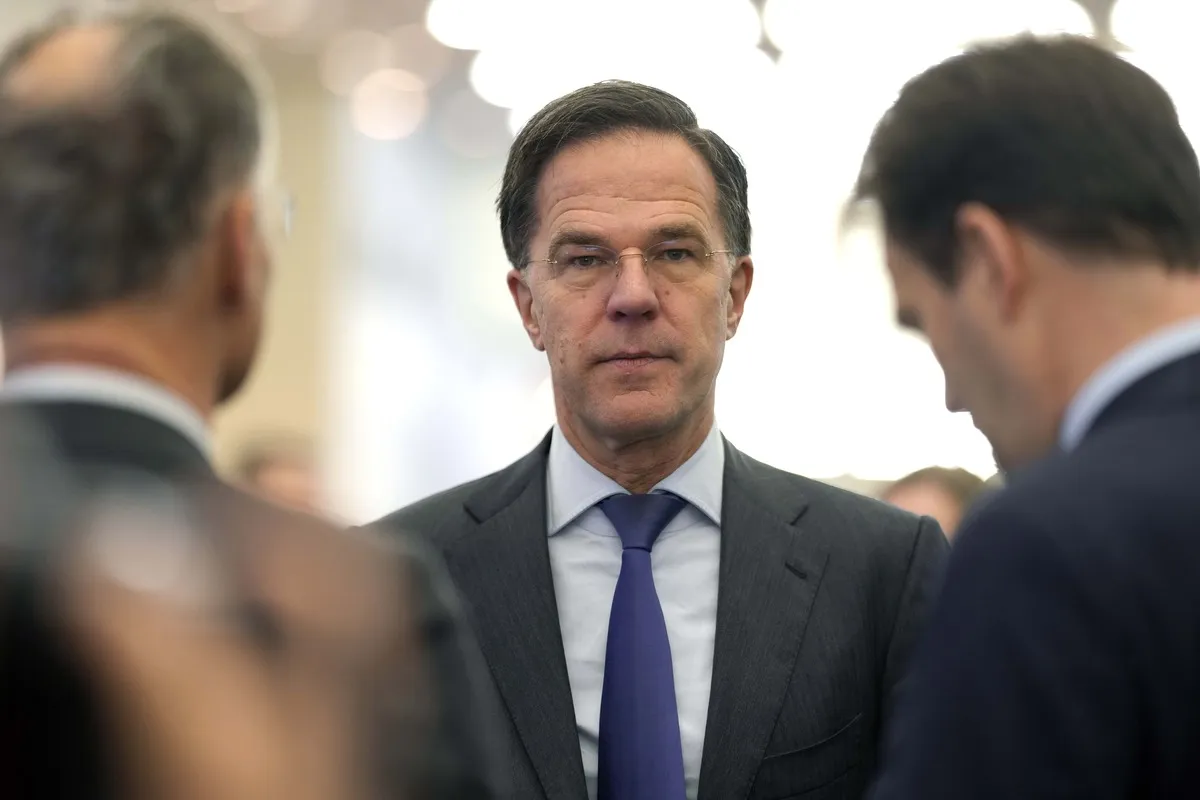
NATO Secretary-General, Mark Rutte, told German tabloid newspaper Bild in an interview published on Saturday that the alliance had to "ensure that Ukraine is in the best possible position," including by funneling weapons into the country and training up Ukraine's soldiers.
...
Rutte has vocally warned against reducing Western military aid for Ukraine. Trump has stymied the flow of development aid to countries including Ukraine, but officials in Kyiv said this didn't include military equipment.
"If they want to negotiate peace one day, they have to bring Putin to the table," Rutte said, but declined to offer a picture of how peace talks could play out while conceding he had some "ideas" of how negotiations could go.
"We don't want to make Putin any smarter than he already is," Rutte said. "We're keeping that a little secret."
Many European NATO officials have worried that a Trump-brokered ceasefire could come at Ukraine's expense, and that of the rest of the continent. Officials in Kyiv have repeatedly said Ukraine has to be a party to talks on its future.
Russia and Ukraine both lay claim to four regions of eastern Ukraine— Donetsk, Kherson, Luhansk and Zaporizhzhia—as well as the Crimean Peninsula to the south of the mainland that Russia annexed more than a decade ago. Kyiv and Moscow have called on each other to pull troops out of these regions, and the Kremlin opposes Ukraine's ambitions to secure guarantees that Russia will not launch a fresh effort against Ukraine in the future and gain NATO membership.
Trump said on Sunday that his administration had "meetings and talks scheduled with various parties, including Ukraine and Russia."
"I think those discussions are actually going pretty well," the president said, according to the AFP news agency.
Keith Kellogg, a retired U.S. Army lieutenant general who Trump tapped to help stop the war in Ukraine, told Fox News on Sunday that both Russia and Ukraine would have to make concessions to get talks going.
Trump's Ukraine envoy said Ukrainian President Volodymyr Zelensky had "already indicated he will soften his position on land," adding Putin would "have to soften his positions as well."
Kellogg has also called for Ukraine to hold elections after a ceasefire is reached, which are not permitted under the martial law currently in effect in Ukraine.
Dmytro Lytvyn, a communications adviser to the Ukrainian leader, said that if Kellogg's strategy "is just a ceasefire and elections, it is a failed plan."
"Putin won't be intimidated by just those two things," he told reporters.
Who Said What
NATO Secretary-General Mark Rutte: "We don't want to make Putin any smarter than he already is."
President Donald Trump on Sunday: "I think those discussions are actually going pretty well."
What Happens Next
It remains to be seen how quickly, and successfully, U.S.-facilitated peace talks between Russia and Ukraine will progress.
View 0 Comments
Submit Correction
View Editorial & AI Guidelines