...

By Aliss Higham
Reporter
0
Share
Newsweek is a Trust Project member
See more of our trusted coverage when you search.Prefer Newsweek on Googleto see more of our trusted coverage when you search.
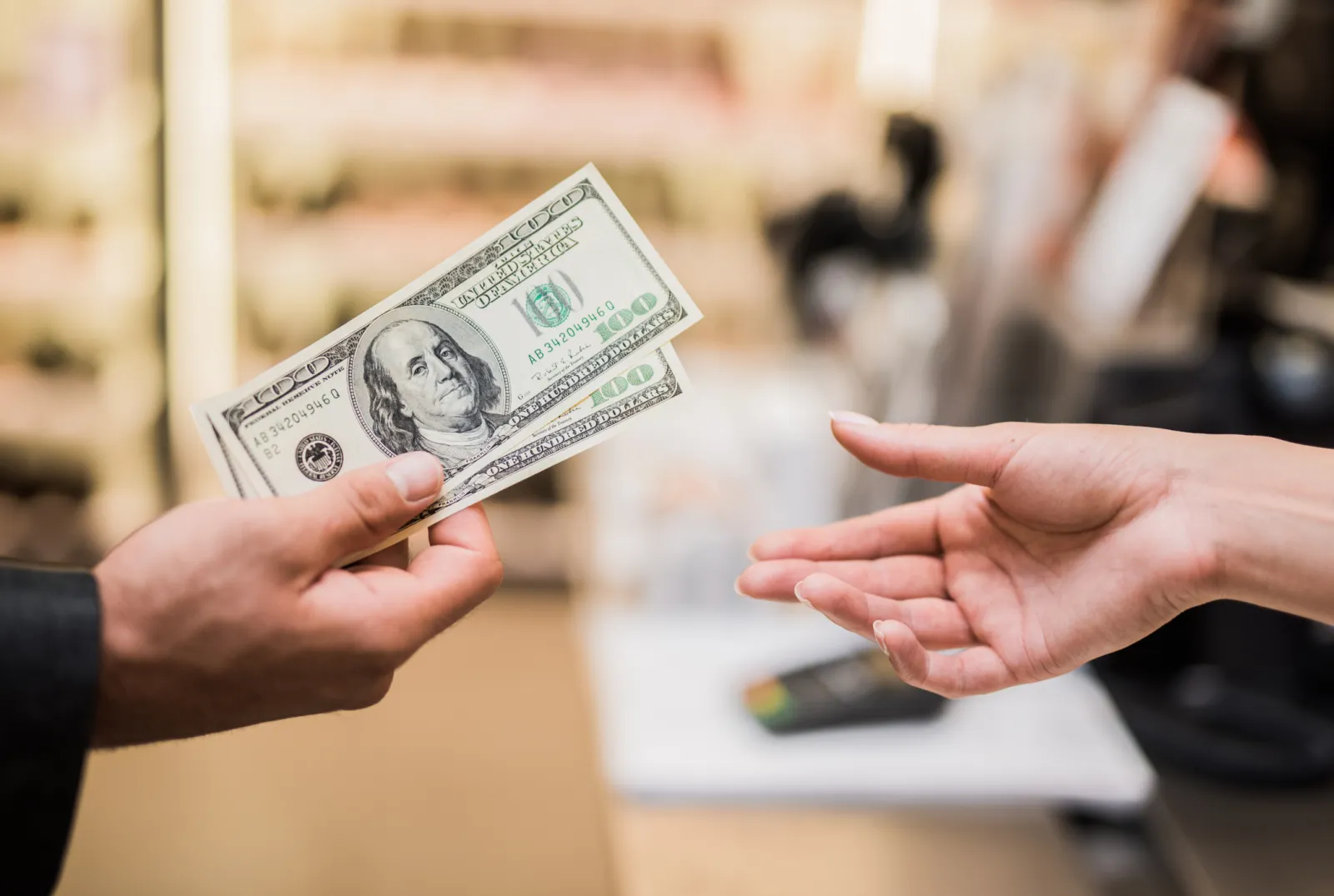
Maryland lawmakers have are debating a bill that would require many retailers to accept cash for in-person purchases, with potential effects for about 6.1 million residents statewide.
Why It Matters
House Bill 191 would bar merchants from refusing cash in most in-person transactions and set civil penalties for violations, a change intended to preserve access for unbanked and underbanked consumers.
Read More on News
Supporters said cashless policies can exclude low-income households, undocumented residents, and people without bank accounts from buying essentials, while opponents warned of added costs and potential safety risks for retailers.
Cash usage has declined across the U.S. in recent years, though plenty of Americans still use it frequently. According to a 2025 report by the Federal Reserve, 14 percent of transactions in 2024 were completed in cash, and more than 90 percent of U.S. consumers intend to use cash as either a means of payment or store of value in the future.
What To Know
HB 191, titled "Consumer Protection—Retail Transactions—Cash Payments," was pre-filed by Delegate Greg Wims, a Montgomery County Democrat, and assigned to the House Economic Matters Committee.
The measure would prohibit merchants, in covered transactions, from declining cash, requiring card payments, or charging a fee to customers who pay with cash, and violations would be enforced as unfair or deceptive practices under the Maryland Consumer Protection Act.
The bill applies to in-person retail transactions between $5 and $300, with exclusions for phone, mail, internet, and parking transactions, according to the legislative summary.
...
Enforcement would include at least two compliance opportunities before fines, with penalties up to $5,000 for an initial violation after warnings and up to $10,000 for subsequent violations.
The Maryland House held a hearing on February 10, 2026, after first reading on January 14, 2026, and the bill’s effective date, if enacted, would be October 1, 2026.
Rules on whether merchants can disallow the use of cash vary from state to state. Only Massachusetts, New Jersey, Rhode Island, and Colorado, have banned businesses from going entirely cashless.
What People Are Saying
Delegate Gregory Wims said: "Cash is the staple of our country. No person should be prohibited from using legal tender when trying to buy groceries at the supermarket or clothes at a clothing store."
Cailey Locklair, president of the Maryland Retailers Alliance, said: "There are many reasons why businesses are moving toward a cashless model," said, citing concerns about safety, organized retail crime, and costs such as safes and deposit fees. She said many retailers are using "app based, mobile kiosk-kind of models that are designed to be cashless for efficiency and speed."
What Happens Next
The Economic Matters Committee will determine whether HB 191 advances to a full House vote, is amended, or remains in committee following the February hearing.
If the bill passes both chambers and is signed, the cash-acceptance requirements will take effect October 1, 2026, with the Attorney General’s Consumer Protection Division empowered to enforce the law.
View 0 Comments
Submit Correction
View Editorial & AI Guidelines