...

By Sam Stevenson
Associate News Editor
0
Share
Newsweek is a Trust Project member
See more of our trusted coverage when you search.Prefer Newsweek on Googleto see more of our trusted coverage when you search.
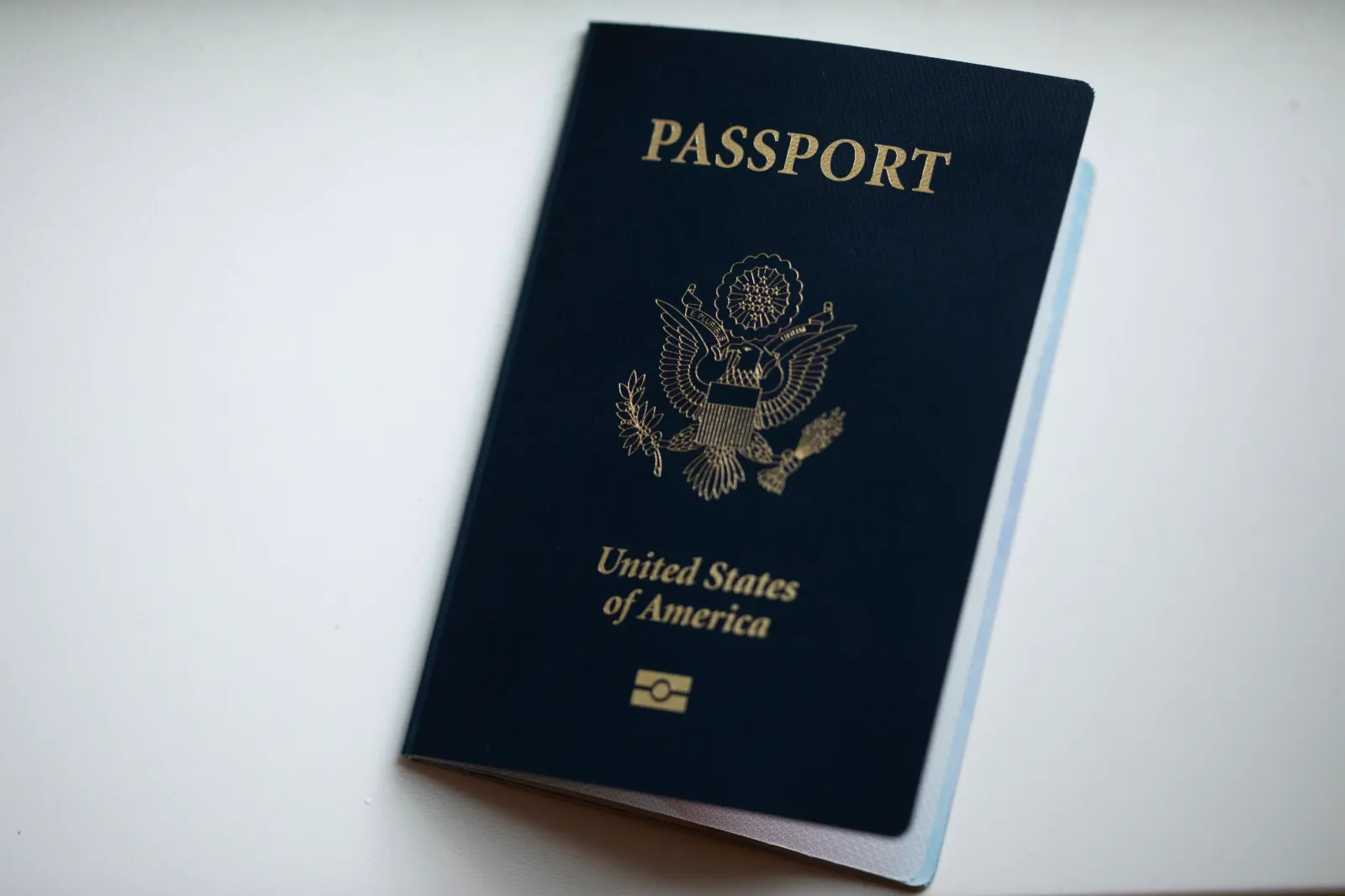
Thousands of Americans will be impacted by a new passport rule mandating that they include their biological sex recorded at birth on the document—here's what you need to know.
Why It Matters
A recent Supreme Court decision has allowed the White House administration's new passport policy to proceed, affecting thousands of passport holders and travel applicants nationwide.
Read More on News
There were concerns in the transgender community that their passports were at risk of being invalidated by the measure.
But the State Department has since made clear on its website that all existing documents will remain valid under International Civil Aviation Organization (ICAO) rules, and the changes will only impact new passports.
Tommy Pigott, principal deputy spokesperson for the State Department, told Newsweek: "President Trump is building a Golden Age for all Americans - an America that is safer, stronger, and more prosperous. A core part of that agenda is to restore common sense, and push back against the alarmist crusade of the destructive woke agenda."

...
What To Know
The Supreme Court, in a November 2025 emergency ruling, allowed President Donald Trump's administration to implement a policy restricting passport sex markers to 'M' (male) or 'F' (female), matched to an individual's sex assigned at birth.
The change requires all U.S. passports to reflect the sex assigned at birth, ending the availability of nonbinary 'X' gender markers and reversing previous State Department accommodations for gender marker updates.
It followed an executive order issued January 20, 2025—Executive Order 14168, "Defending Women from Gender Ideology Extremism and Restoring Biological Truth to the Federal Government"—which mandated federal recognition of only two sexes and ended U.S. passports or Consular Reports of Birth Abroad with an 'X' marker or affirming a sex differing from birth assignment.
Human Rights Watch has reported that the policy increases the risks of discrimination, citing a survey from advocacy group Trans Equality of 84,000 transgender adults in the United States, which found that 22 percent reported harassment, assault, or denial of services when their ID did not match the gender they lived as.
But roughly two-thirds of Americans said they would support a policy of prioritizing the birth sex of transgender people over their chosen identity, according to a Gallup poll from earlier this year.
Under the new passport rule, applications requesting gender markers different from the sex on the applicant’s birth certificate are subject to delays or denials.
The State Department no longer accepts attestations or affidavits for preferred markers.
Instead, new passports are issued solely based on biological sex at birth, and those seeking updates must provide documentation aligning with this requirement.
All current U.S. passports—including those with 'X' or gender-affirming markers—remain valid for international travel until their expiration date, per guidance from the ICAO.
If your passport currently has an 'X' marker or a marker inconsistent with your sex at birth, you may continue to use it for travel.
However, if it is replaced or renewed, the new document will list the sex as recorded on your original birth documentation.
According to UCLA’s Williams Institute, there are roughly 2.8 million people aged 13 and over in America identifying as transgender.
What People Are Saying
The State Department says on its website: "Under the executive order, we no longer issue U.S. passports or Consular Reports of Birth Abroad with an X marker. We only issue a passport with an M or F sex marker that matches the customer's biological sex at birth.
"If you submit a passport application requesting an X marker or requesting a sex marker that differs from the sex marker at your birth, you may experience delays getting your passport. You may receive a letter or email requesting more information. We will issue you a new passport that matches your biological sex at birth, based on your supporting documents and our records about your previous passports."
Ryan Thoreson, an LGBTQ+ rights specialist at Human Rights Watch, said: “The United States Supreme Court allowed the implementation of a discriminatory Trump administration policy requiring new passports to reflect an individual's sex assigned at birth. This approach reverses decades of progress, allowing passports to more accurately reflect an individual’s gender identity.”
"This court has once again paved the way for the immediate infliction of injury without adequate (or, really, any) justification," Supreme Court Justice Ketanji Brown Jackson wrote. "Because I cannot acquiesce to this pointless but painful perversion of our equitable discretion, I respectfully dissent."
“What this says is that you, as a transgender person, do not matter to the state, and the state gets to tell you who you are,” Imara Jones, a transgender journalist who runs a media company, TransLash, told The New York Times. “This is not in accord with the way that citizens and citizenship has been treated in America.”
What Happens Next
Advocates expect ongoing legal challenges to the passport policy, as litigation continues in lower federal courts.
Any attempt by the federal government to invalidate existing passports would likely prompt additional lawsuits and could encounter significant administrative hurdles, especially for documents approved prior to the current administration.
The Supreme Court is scheduled to hear further arguments in January 2026 about the constitutional standing of transgender Americans in relation to identification and equal protection claims.
Travelers carrying passports with 'X' markers or gender-affirming updates are advised to:
- Verify the expiration date on their passport and be aware of destination country requirements for gender markers.
- Download and carry supporting documents proving citizenship and identity, especially for reentry to the U.S.
- Consult with legal counsel or LGBTQ+ advocacy groups for guidance if concerned their documents may be invalidated or questioned at a border.
- Monitor the State Department website for updates about further policy or administrative changes.
Update 11/18/25, 3:37 p.m. ET: This article was updated with a statement from the State Department.
View 0 Comments
Submit Correction
View Editorial & AI Guidelines