...

By Anna Skinner
Associate News Editor
0
Share
Newsweek is a Trust Project member
See more of our trusted coverage when you search.Prefer Newsweek on Googleto see more of our trusted coverage when you search.
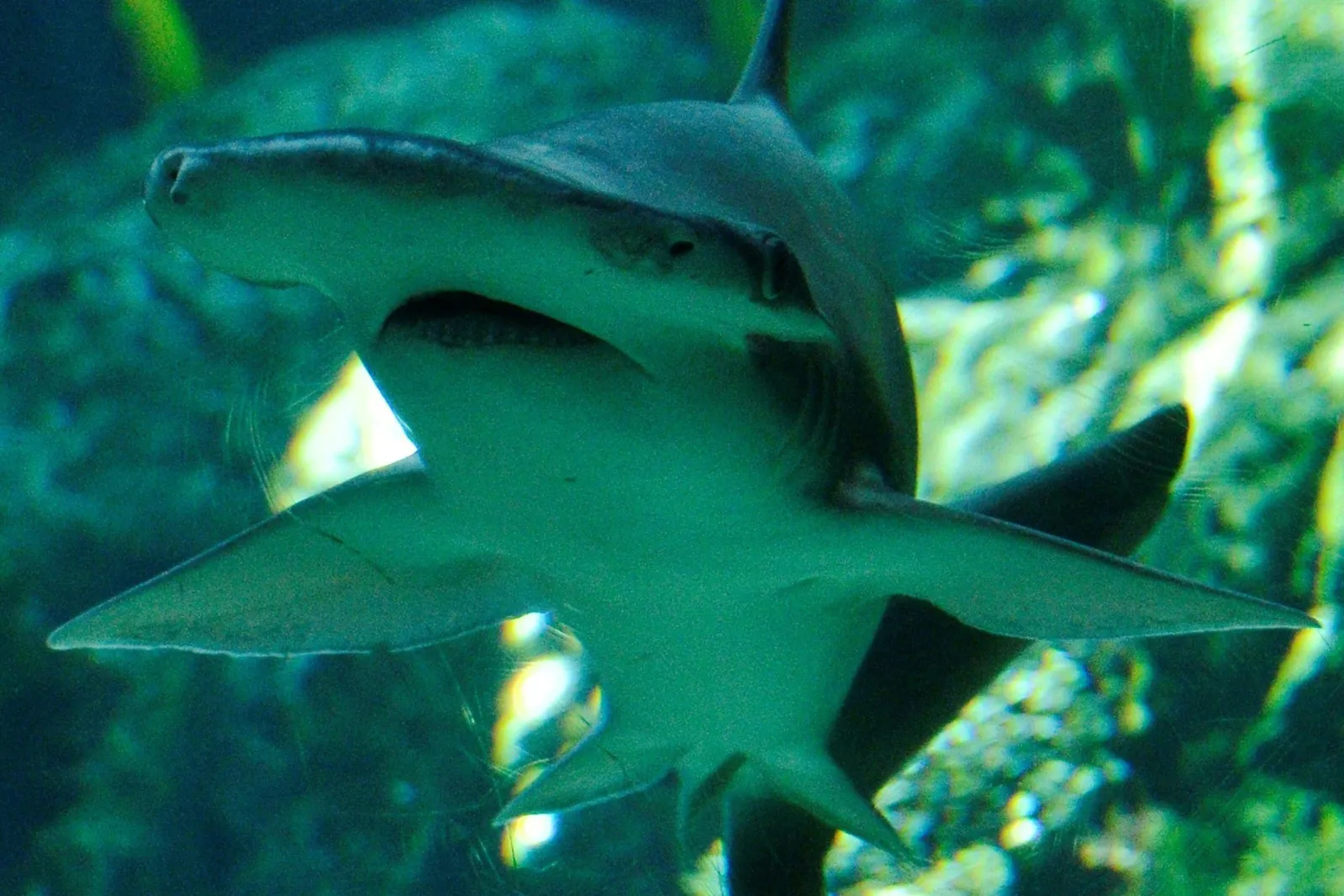
Florida International University (FIU) scientists have finally identified a new species of hammerhead shark years after first collecting samples, but the shark's official discovery comes as its population numbers dwindle.
The new species was officially named Sphyrna alleni in a research article published Monday in the journal Zootaxa. The new species was named after Paul Allen, the co-founder of Microsoft, in recognition of Allen's shark conservation efforts. Also, the Paul G. Allen Family Foundation funded the research initiative that revealed the shark's identity, an FIU news release said.
Sphyrna alleni remained hidden for so long because of its close resemblance to Sphyrna tiburo, a bonnethead shark in the hammerhead genus. After DNA testing in 2017 revealed that there was likely another species of shark previously classified as part of the bonnethead species, a research team took a closer look at the new samples.
Read More on World
The team worked with shark fishing camps in Belize to acquire tissue samples and measurements to create a formal description of the new species, which lives in ocean waters ranging from Belize to Brazil. The study's lead author, Cindy Gonzalez, then finished the research at home after transforming her living room into a lab during the COVID pandemic.
...
Newsweek reached out to Gonzalez by email for comment.
The common name for the new species is the shovellbill shark.
Because of unregulated fishing in Brazilian waters, it is likely that the shovellbill shark is already endangered, even though its discovery is so new.
"It is tragic that we have only just recognized that this species exists, and we are already running against the clock to prevent its extinction," said Demian Chapman, a then-associate professor who led the research team, according to the FIU report.
"Fortunately, Belize has taken proactive steps for shark conservation that may help this species, such as collaborating closely with shark fishing communities to manage shark catches, establishing protected areas, and implementing a nationwide gillnet ban," Chapman said.
Both the bonnethead shark and the shovellbill shark are considered small hammerhead sharks.
"It is imperative to study and protect small hammerhead shark species as they are unique to the American continent and have been extirpated, overfished, and misidentified in fisheries," Gonzalez said in the FIU report.
"At the same time, these sharks have played a critical role in shaping the culture and economy of many local communities in many Latin American countries, so it is important to work hand-to-hand with the fishermen on conservation efforts," she said.
View 0 Comments
Submit Correction
View Editorial & AI Guidelines